 Save
Save My neighbor's kitchen smelled like Meyer lemons the afternoon she taught me this tart, and I realized then why the French treat it like a treasure—that bright, almost floral tartness cut through butter in a way that felt both simple and impossibly elegant. The crust crackled under my fork, and the filling jiggled just slightly at its center, golden and alive. She caught me staring and laughed, saying the wobble was the secret, that perfectly set filling is actually overcooked filling. That moment changed how I approached desserts entirely.
The first time I served this at a dinner party, I was so nervous about that final wobble that I almost baked it longer—thank goodness a friend grabbed my hand and said it looked perfect. We poured wine, lit candles, and when people took their first bites, the whole table went quiet in that way that means something just worked. That's when I understood this tart isn't really about technique; it's about delivering a moment of brightness when people need it most.
Ingredients
- All-purpose flour (1 1/4 cups): Use the type you already bake with—there's no need to seek out anything special, but weigh it if you can because scooping can pack it down.
- Unsalted butter, cold and cubed (1/2 cup for crust): This is non-negotiable; the cold butter creates those tender, flaky layers you're after, and I cut mine straight from the stick into the processor to keep it as cold as possible.
- Powdered sugar (1/4 cup for crust): It dissolves into the dough and adds a subtle sweetness that makes the crust taste more like French pâte sucrée than regular pie dough.
- Fine sea salt (1/4 tsp for crust): A pinch of salt in the crust balances the sweetness and makes the butter flavor sing—don't skip it.
- Egg yolk (1 large): This binds the crust without making it tough, and the richness it adds is why the pastry feels so luxurious.
- Ice water (2–3 tbsp): Add it slowly and stop as soon as the dough holds together; overworking leads to a tough crust that resists your rolling pin.
- Eggs and egg yolks (3 large eggs, 2 large yolks for filling): The combination of whole eggs and yolks creates a custard that's silky but not heavy, with that signature slight wobble.
- Granulated sugar (1 cup): This sweetens the filling, but the lemon juice really carries the flavor, so don't be tempted to add more sugar thinking it will taste better—it won't.
- Freshly squeezed lemon juice (2/3 cup): Bottled juice will taste flat and one-dimensional; fresh lemons are the entire point, and squeezing them by hand takes maybe five extra minutes.
- Lemon zest (2 tsp): Use a microplane rasp and only scrape the bright yellow part, never the white pith underneath, which tastes bitter and medicinal.
- Unsalted butter, melted (1/2 cup for filling): Let it cool slightly before whisking it in, or you risk scrambling the eggs—a mistake I made exactly once.
- Powdered sugar for dusting: A light, final dusting just before serving gives the tart an elegant finish without adding actual sweetness.
Tired of Takeout? 🥡
Get 10 meals you can make faster than delivery arrives. Seriously.
One email. No spam. Unsubscribe anytime.
Instructions
- Make the Dough:
- Pulse your flour, powdered sugar, and salt in a food processor until combined, then add the cubed butter and pulse until the mixture looks like coarse breadcrumbs with some pea-sized pieces of butter still visible. Add the egg yolk and two tablespoons of ice water, pulse just until the dough starts clumping together, and if it still seems dry, add another tablespoon of water one teaspoon at a time.
- Rest the Dough:
- Turn the dough onto a lightly floured surface, gather it into a disk, wrap it in plastic wrap, and refrigerate for at least 30 minutes—this relaxes the gluten so the crust won't shrink in the oven. If you're short on time, 20 minutes in the freezer works in a pinch.
- Roll and Shape:
- Roll the chilled dough out to about 1/8 inch thick on a floured surface, then transfer it to your tart pan—I use a rolling pin to help lift it. Press it gently into the pan, let the excess hang over the edge, and then run a small knife around the rim to trim it flush.
- Blind Bake the Crust:
- Prick the base all over with a fork (this prevents puffing), line it with parchment paper, fill it with pie weights or dried beans, and bake at 350°F for 15 minutes until it sets but doesn't brown. Remove the weights and paper, then bake another 10 minutes until the crust is pale golden and just starting to smell like butter, and take it out while it's still warm—this is important for the next step.
- Mix the Filling:
- Whisk together the whole eggs, egg yolks, sugar, lemon juice, zest, melted butter, and salt in a large bowl until the mixture is smooth and pale yellow, which should take about two minutes of steady whisking. The filling should look like liquid custard.
- Pour and Bake:
- Pour the filling into the warm crust and bake for 20 to 25 minutes at 350°F until the edges are just set but the very center still has a slight wobble when you gently shake the pan—this is what keeps it creamy inside. The filling continues to set as it cools, so resist the urge to bake it longer.
- Cool Completely:
- Let the tart cool on a wire rack for at least an hour, then move it to the refrigerator and chill for at least two hours before slicing. This chilling time is essential—it firms up the custard and lets all the flavors settle.
- Finish and Serve:
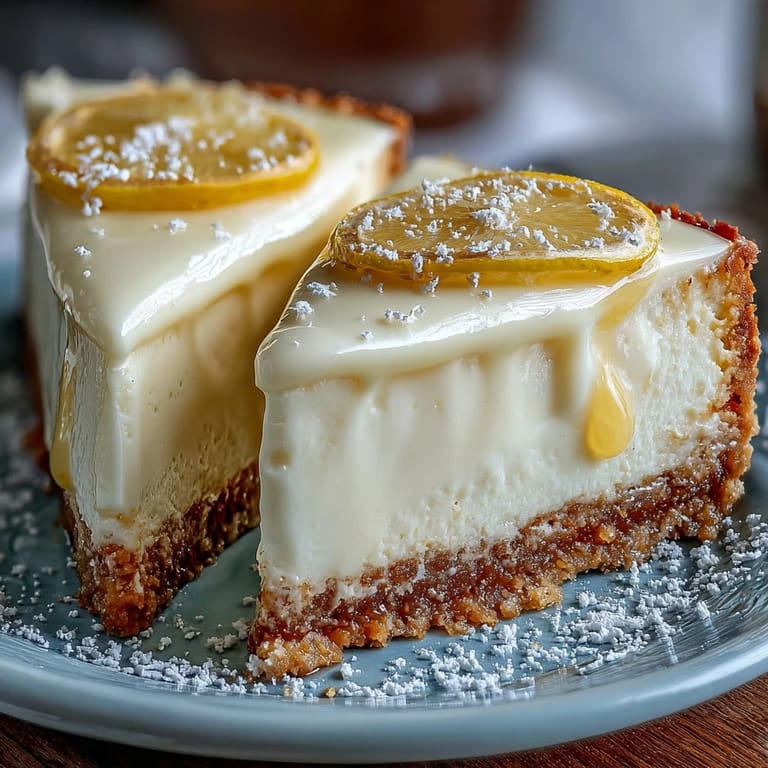
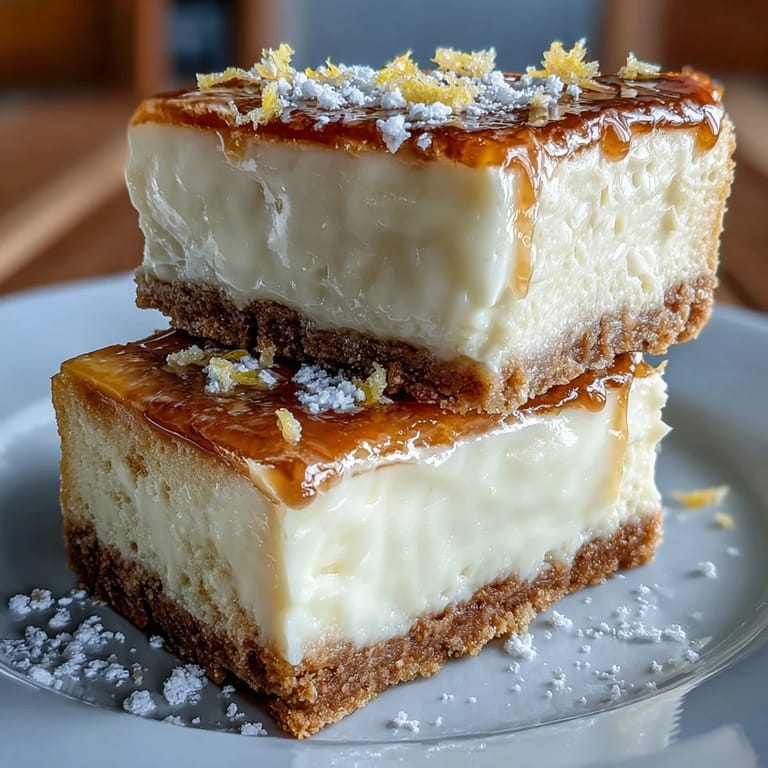
- Just before serving, dust the top lightly with powdered sugar, arrange lemon slices or fresh berries on top if you like, and slice with a hot, dry knife—wipe the blade between cuts for clean pieces. Serve chilled or at room temperature with whipped cream or crème fraîche alongside.
 Save
Save Years after learning this recipe, I made it for a friend who was going through something hard, and she told me later that biting into a slice of it at three in the afternoon—that bright, sharp lemon hitting her tongue while sunlight streamed through the window—was the first moment in weeks she felt like herself again. That's the real magic of this tart.
Why the Crust Matters
The crust is where amateurs often stumble, mostly because they're trying too hard—too much mixing, too much water, too much time in the food processor. The secret is restraint: you want those cold butter pieces to stay distinct because that's what creates the layers and flakiness when the butter melts in the oven. I learned this by watching a pastry chef work, and she never mixed anything longer than 30 seconds total, just enough to bring the dough together but not enough to overdevelop the gluten that makes pastry tough.
Getting the Filling Just Right
The filling is essentially a lemon curd baked inside pastry, which means it's forgiving in some ways and exacting in others. The wobble is your guide—if the center moves like jello, you're perfect; if it doesn't move at all, you've baked it too long. I used to check doneness by inserting a knife, but that actually disrupts the custard, so I learned instead to simply trust the timer and the gentle shake test, and it's been right every single time since then.
Storage and Make-Ahead Tips
This tart keeps beautifully for three days in the refrigerator in an airtight container, and the flavors actually deepen as it sits, which is rare for custard-based desserts. You can also freeze the unbaked dough for up to three weeks, and you can prepare the filling in a bowl, cover it, and refrigerate it for up to 24 hours before baking—this is perfect for entertaining because it means the hard part is already done.
- Always slice with a hot knife wiped clean between cuts, which gives you the cleanest pieces and makes the tart look restaurant-quality on the plate.
- If the crust cracks during blind baking, you can patch it with a little raw dough, and it seals right back together in the oven.
- Powdered sugar dustings look beautiful but fade, so apply them just before serving rather than hours ahead.
 Save
Save This tart taught me that the most sophisticated desserts are often the simplest—just a few good ingredients, honest technique, and the patience to let things cool properly. Make it when you want to feel like you've stepped into a small French kitchen.
Recipe FAQs
- → What type of butter is best for the crust?
Cold, unsalted butter cubed into small pieces creates a flaky and tender crust when pulsed with flour and sugar.
- → How can I prevent the crust from shrinking?
Chilling the dough before rolling and pressing it firmly into the pan helps maintain its shape during baking.
- → What indicates the filling is properly baked?
The center should be slightly wobbly but mostly set to ensure a silky, creamy texture once cooled.
- → Can I substitute lemon juice with other citrus?
Yes, options like blood orange or lime can be used for interesting variations in bright citrus flavor.
- → How long should the tart chill before serving?
Chilling in the refrigerator for at least two hours allows the filling to set properly and enhances the flavors.
- → What garnishes complement this tart?
Light dustings of powdered sugar, thin lemon slices, fresh berries, or mint leaves add visual appeal and subtle flavor contrasts.