 Save
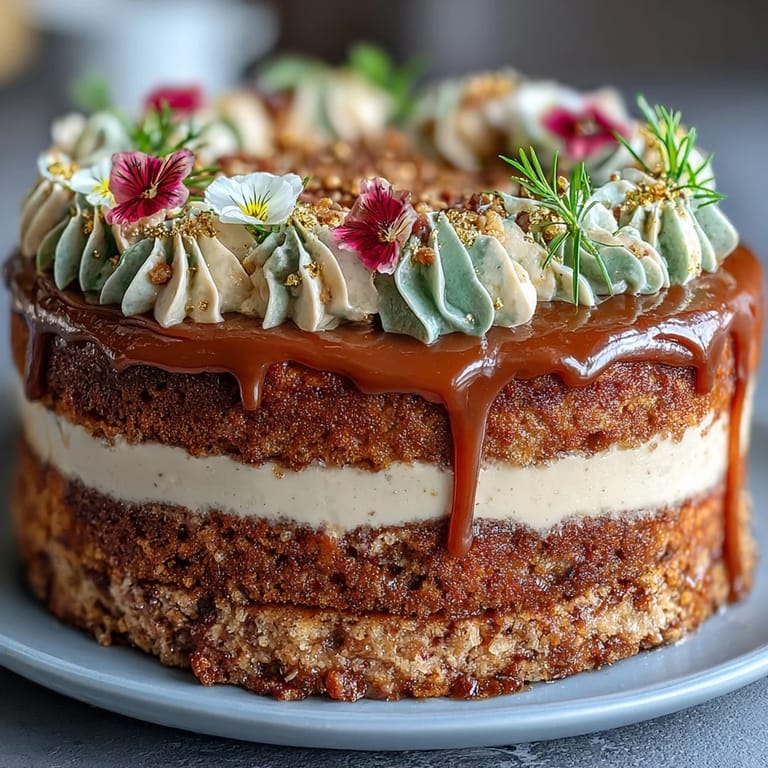
Save The first time I made this Taurus Cake, the scent of butterscotch and floral notes filled the air so completely that even the neighbor's cat wandered by the window for a sniff. As I whisked the batter, I found myself humming absentmindedly, mesmerized by the earthy colors blending in the bowl. There is something almost meditative about layering the earth-toned buttercream in swirls reminiscent of spring gardens after a rainstorm. Assembly was a steady-handed act: flowers perched atop buttery peaks, creating a cake that looked far too regal to slice. Yet, that didn’t stop us from diving in fork-first when the time came.
I remember baking this cake on a cool May afternoon for a friend whose stubborn joy for the simple things reminded me of Taurus energy itself. We debated how much lavender was too much while cloud-watching in the kitchen, and when we tried the finished cake, laughter echoed as we argued whether beet powder or matcha made the prettiest swirl. That slice was, genuinely, a celebration of both flavor and friendship.
Ingredients
- All-purpose flour: Provides structure; I always fluff it with a fork before scooping for the lightest crumb.
- Baking powder & baking soda: These keep the cake lofty—I double-check freshness before baking.
- Fine salt: A little sharpness balances butterscotch sweetness.
- Unsalted butter: Essential for richness; letting it fully soften yields the fluffiest texture in both cake and buttercream.
- Brown sugar: Deepens the cake's caramel notes—pack it firmly into the cup for full flavor.
- Eggs: Room temperature eggs are key; set them in warm water for 5 minutes if cold from the fridge.
- Vanilla extract: Layers in background warmth.
- Sour cream or plain yogurt: Moisture and tang—use whichever is at hand.
- Whole milk: Ensures a tender crumb.
- Butterscotch sauce: Homemade and rich—let it cool, or it will melt your batter.
- Heavy cream (in sauce): This creates the lushest butterscotch—don’t skimp.
- Powdered sugar: Sifting prevents lumps in the buttercream.
- Culinary rose water: Adds a gentle floral note; measure with care as a little goes a long way.
- Dried lavender: Only a pinch, freshly ground, keeps the flavor subtle.
- Natural colorants: Matcha, beet powder, cocoa, turmeric, or spirulina for earthy shades—start with a tiny amount for gentle hues.
- Edible flowers & herbs: These transform the cake into art; always use food-safe blossoms and wash them gently.
- Gold leaf or dust (optional): Adds a glint of celebration for extra-special occasions.
Tired of Takeout? 🥡
Get 10 meals you can make faster than delivery arrives. Seriously.
One email. No spam. Unsubscribe anytime.
Instructions
- Gather and Prepare:
- Start by preheating your oven and lining all three cake pans—parchment makes release a breeze later.
- Simmer the Butterscotch:
- In a small saucepan, melt butter until your kitchen smells nutty, then stir in brown sugar until it bubbles gently; pour in cream and let it become glossy, stirring all the while, before removing and adding vanilla and salt.
- Start the Cake Batter:
- Whisk your dry ingredients together to aerate, then cream the softened butter and brown sugar in a large bowl until the mixture is pale and fluffy.
- Mix and Layer:
- Add eggs one by one, then vanilla, mixing with patience so everything emulsifies; alternate dry ingredients and milk, folding just until you can’t see streaks.
- Bake the Layers:
- Pour the batter equally into pans and smooth the tops; the cakes will dome slightly and smell incredible while baking—check for doneness with a toothpick after 28 minutes.
- Cool Down:
- Let cakes rest in their pans before turning them out onto racks, breathing in the toasty, caramel aroma.
- Buttercream Swirl:
- Whip butter until satin-smooth, then add sugar, milk, rose water, and a hint of lavender; divide and blend with natural hues, marveling at each earthy tone.
- Assemble and Frost:
- Spread buttercream between cooled layers, then sweep the colored frostings around the sides and top for a marbled prairie look; chill the whole cake to set the design.
- Decorate:
- Just before serving, add edible flowers, sprigs of thyme or mint, and gold leaf if you’re feeling joyful—stand back and admire for a second before slicing.
 Save
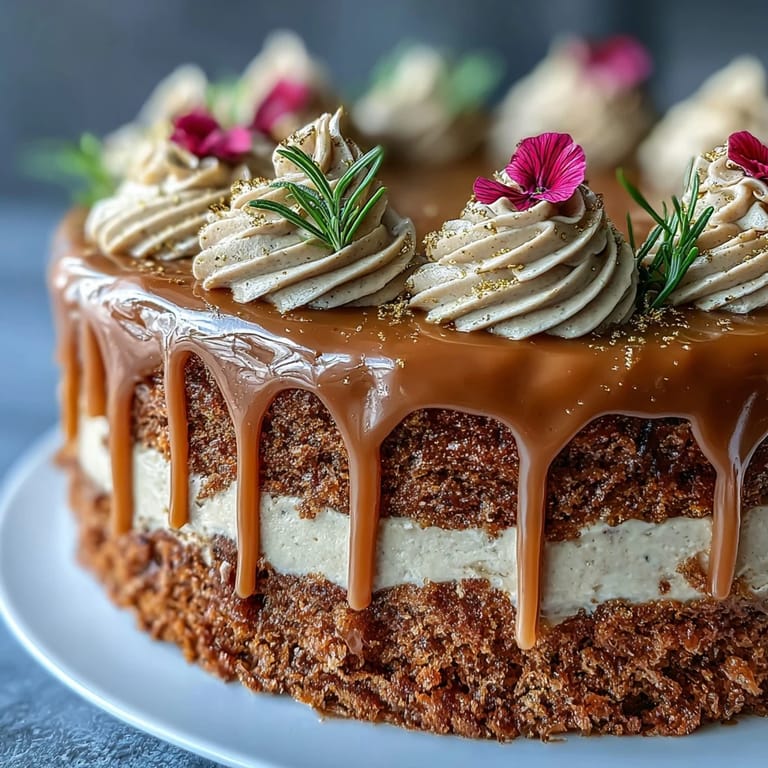
Save The day we served this cake at a garden birthday picnic, someone paused mid-laughter to point out the way sunlight caught on the gold flecks and flower petals. That glittering moment transformed a slice of cake into an experience—the whole table silent for a beat, savoring each earthy, floral bite.
Choosing and Using Edible Flowers
Picking the right flowers isn’t just about looks. I once used nasturtiums for their bright hue, only to discover their peppery flavor surprised everyone; now I always taste a blossom first and try combinations of violets, pansies, and rose petals. Gently pat them dry and decorate right before serving for the freshest appearance.
Mastering Natural Color Blends
Experimenting with natural colorants taught me to start small—just a pinch of beet powder adds more pink than you’d expect. Matcha, on the other hand, can turn buttercream a striking moss green with extra earthy undertones. Blending two colorants subtly creates unique swirls that look organic and beautifully Taurus-inspired.
Slicing and Serving for Wow Factor
To show off the layers, run your knife under hot water before each slice for ultra-clean cuts. Serve each portion with a few extra flowers and herbs on the side, and listen for the quiet admiration when people notice the earthy rainbow. This cake holds its structure even at room temperature.
- Pat the top dry before adding gold leaf so it adheres.
- Buttercream sets best if chilled for at least 20 minutes before slicing.
- Use a large offset spatula to lift slices neatly onto plates.
 Save
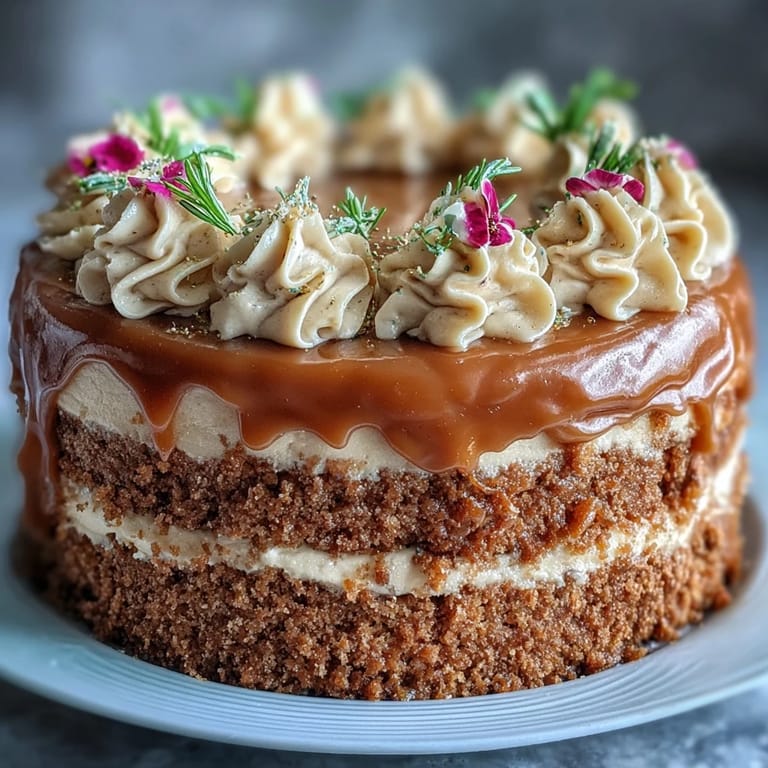
Save This Taurus Cake is pure celebration: floral, earthy, and spectacular on any table. May your kitchen smell as wonderful as mine always does with every swirl and sprinkle.
Recipe FAQs
- → How do I make a smooth butterscotch sauce?
Melt butter over medium heat, stir in brown sugar and cook briefly, then add cream and simmer until glossy. Remove from heat, stir in vanilla and a pinch of salt. Cool to room temperature before folding into batter to avoid thinning the sponge.
- → Which natural colorants work best for earth tones?
Matcha gives muted green, beet powder yields soft pinks, cocoa creates browns, turmeric adds warm yellow, and spirulina can deepen greens. Start with small amounts, mix into a bit of buttercream to judge shade, and remember powders concentrate over time.
- → How can I keep buttercream stable while assembling and decorating?
Beat butter until pale, add sifted powdered sugar gradually and chill the buttercream briefly if it becomes too soft. Work in a cool kitchen, use a chilled bowl if needed, and refrigerate the stacked cake between layers to firm the crumb coat before final decorating.
- → Any tips for getting even cake layers and clean slices?
Level each cooled layer with a serrated knife or cake leveler, apply an even amount of filling between layers, and press gently to align. Chill the assembled cake to set the buttercream before trimming edges; use a hot, dry knife for clean slices.
- → Can I make components ahead and how should I store them?
Bake layers a day ahead and wrap tightly, or freeze for longer storage. Buttercream keeps refrigerated for several days; bring to room temperature and rewhip before using. Store the finished cake covered at room temperature up to 3 days, or refrigerate if using fresh floral garnishes.
- → What are good substitutes for rose water or lavender in the buttercream?
Use orange blossom water or a touch of vanilla extract as floral alternatives; start with small amounts and adjust to taste. Infusing a small portion of cream with vanilla bean or citrus zest can also add complementary aromatic notes.