 Save
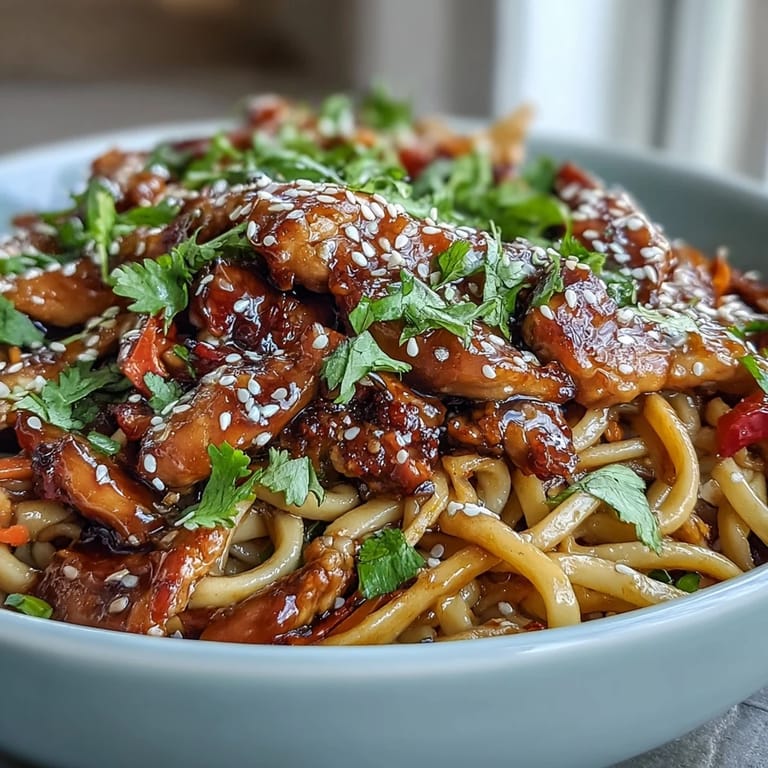
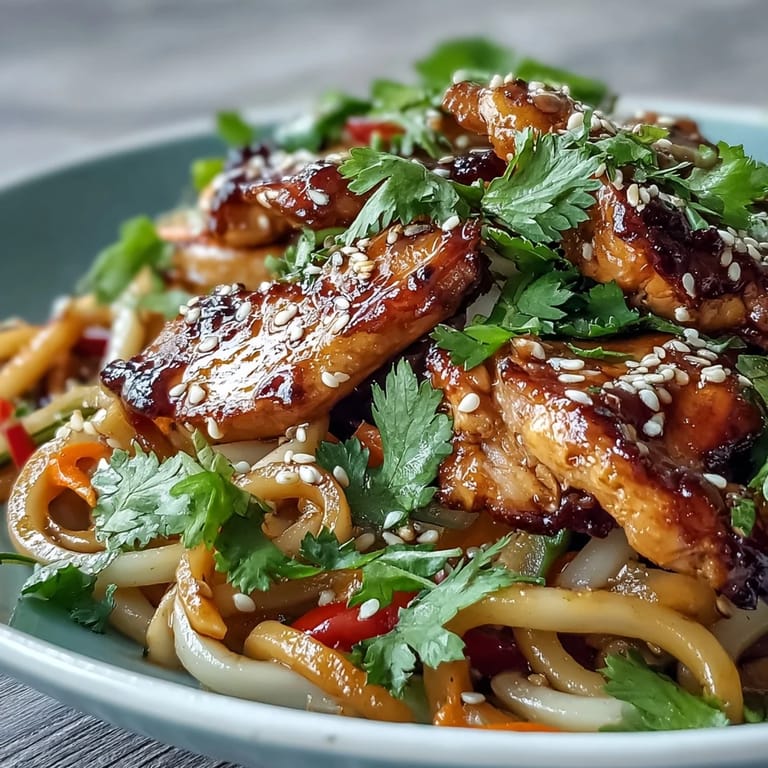
Save There's something about the sound of a wok hitting high heat that makes me think of a particular Tuesday night when my neighbor stopped by with leftover chicken and asked if I could turn it into something exciting. I didn't have much time, but I had noodles, a handful of vegetables getting soft in the crisper, and the sudden inspiration to make a sauce from brown sugar and sesame oil. Twenty minutes later, we were standing in my kitchen with steaming bowls, and she asked for the recipe before she'd even finished. That bowl became our weeknight shortcut, the thing I make when I want something that tastes like real effort but doesn't demand it.
I made this for a potluck once, doubling the batch in a moment of confidence, and someone actually asked if I'd made it at a restaurant. The funny part was realizing that homemade doesn't have to mean complicated, and that sometimes the best meals are the ones where you're not trying so hard that you forget to taste as you go. That's the energy of this bowl.
Ingredients
- Chicken breast or thighs, thinly sliced (500 g): Slicing it thin means it cooks fast and gets those crispy edges in the pan; thighs stay juicier if you prefer them over breast.
- Dried udon, soba, or rice noodles (250 g): Pick whichever you love—udon is chewy and substantial, soba is nutty and light, rice noodles are delicate; they all work beautifully here.
- Red bell pepper, thinly sliced: The sweetness balances the umami in the sauce, and that bright color makes the whole bowl feel alive.
- Carrot, julienned: Raw carrots stay crisp and slightly sweet, which creates a nice textural contrast against the soft noodles.
- Sugar snap peas, trimmed (100 g): These are the ones you eat whole, and they add a delicate crunch that expensive restaurants charge extra for.
- Spring onions, sliced: They're your last-minute fresh note, sharp and green against everything warm.
- Low-sodium soy sauce (60 ml): The backbone of the sauce; low-sodium lets you taste everything else instead of just salt.
- Brown sugar (2 tbsp): This isn't fancy, but it rounds out the soy sauce with a gentle molasses note that soy alone can't give you.
- Toasted sesame oil (1 tbsp): A small amount goes a long way; toasted means you're getting that deep, nutty flavor from just one tablespoon.
- Rice vinegar (1 tbsp): A touch of acid that makes the whole sauce sing and prevents it from tasting one-dimensional.
- Fresh ginger, grated (2 tsp): Grate it fresh right over the bowl; pre-minced ginger loses something you can't get back.
- Garlic, minced (2 cloves): Raw minced garlic in the sauce stays sharp and bright, which is exactly what you want here.
- Cornstarch, optional (1 tsp): If you want the sauce to cling to the noodles instead of pooling at the bottom, this is your friend.
- Toasted sesame seeds (2 tbsp): These are the glamour; toast them yourself or buy them already toasted, but don't skip this step.
- Fresh coriander or cilantro, chopped: Some people skip herbs on noodle bowls, but that green brightness is what makes you want a second bowl.
- Lime wedges, optional: A squeeze of lime at the end shifts everything, pulling the flavors into sharper focus.
Tired of Takeout? 🥡
Get 10 meals you can make faster than delivery arrives. Seriously.
One email. No spam. Unsubscribe anytime.
Instructions
- Cook the noodles first:
- Follow the package timing exactly—you want them tender but not so soft they lose themselves when you toss them with the sauce. Drain, rinse under cold water to stop them cooking, and set them aside.
- Build your sauce while the noodles finish:
- Whisk soy sauce, brown sugar, sesame oil, rice vinegar, ginger, garlic, and cornstarch in a small bowl. This takes one minute, but it changes everything; having the sauce ready means you're never scrambling once the pan gets hot.
- Heat your pan properly:
- A large skillet or wok on medium-high heat for a full minute before you add oil means the chicken actually browns instead of steaming. You want to hear that sizzle when the meat hits the pan.
- Cook the chicken until it's golden:
- Thinly sliced chicken takes about 4 to 5 minutes; you're looking for color on both sides and meat that's cooked through. Don't move it around constantly—let it sit for a moment so it gets crispy.
- Vegetables come next:
- Add them to the empty pan with a splash more oil, and keep the heat high. Bell pepper, carrot, and snap peas soften but stay crisp in 2 to 3 minutes if you don't crowd the pan.
- Bring everything back together:
- Return the chicken, pour in the sauce, and toss everything so it's all coated. The sauce thickens in 1 to 2 minutes and clings to the vegetables.
- Finish with the noodles and spring onions:
- Add the cooked noodles and sliced spring onions, toss well, and let it heat through for just a moment. The cold noodles will warm up from the residual heat, and that's all you need.
- Plate and garnish with intention:
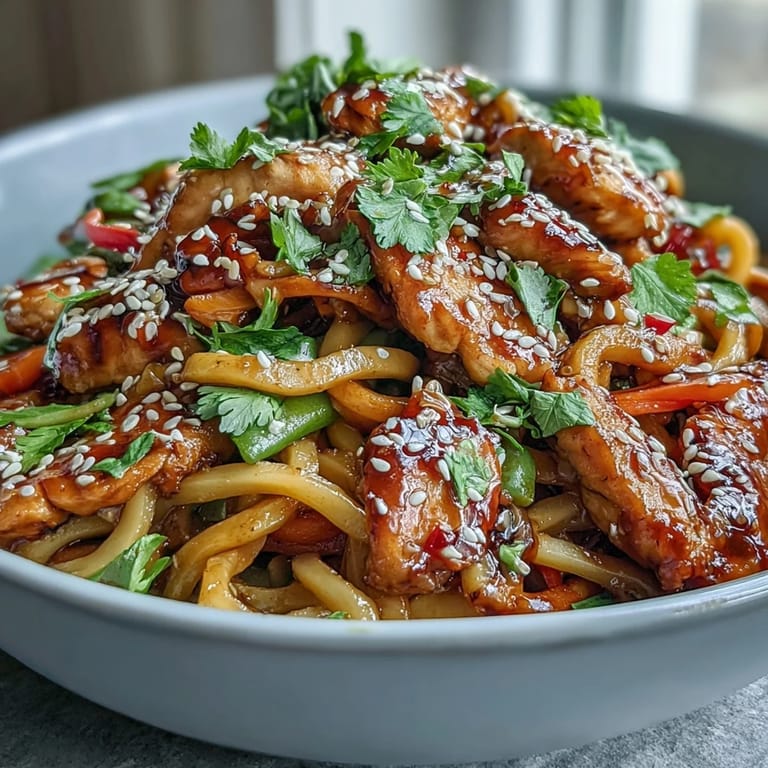
- Divide among bowls, scatter sesame seeds and cilantro over the top, and serve lime wedges on the side. That garnish isn't decoration; it's the final layer of flavor.
 Save
Save I've made this bowl on nights when I was too tired to think about cooking, and somehow it tasted like care anyway. That's the thing about it—it feels indulgent but never demands more than you have to give.
Why the Sauce is Everything
The magic here isn't hidden in fancy ingredients or complicated technique. It's in understanding that soy sauce alone tastes one-dimensional, that brown sugar isn't sweetness by itself but a bridge between salt and umami, and that sesame oil is there to add depth, not to make things oily. I learned this by accident, once, by oversalting and then dumping in brown sugar to compensate, and somehow ending up with something better than what I'd originally planned. The rice vinegar cuts through the richness just enough to keep the sauce from feeling heavy. Ginger and garlic add a sharp, bright note that prevents the whole thing from tasting cloying. If you use all of these in the right proportions, the sauce tastes like it's been simmering for hours when it actually took thirty seconds to whisk together.
Making It Your Own
The beauty of a bowl like this is that it's flexible without being fragile. I've made it with tofu for vegetarian friends, with broccoli and mushrooms when that's what I had, with extra ginger when I was fighting a cold, and with chili flakes scattered on top when I needed heat. The structure stays the same—noodles, protein, vegetables, sauce, garnish—but the specifics bend to fit your kitchen and your mood. Some people add a poached egg on top, which sounds fancy but is actually just an egg. Others drizzle it with a touch more sesame oil at the end, or add a handful of nuts for crunch. None of these changes break the recipe; they just make it more yours.
Timing and Temperature
The whole bowl comes together because each component cooks at the right speed and arrives at the table while it still has character. Noodles that sit too long get mushy, vegetables that cook too fast never soften, chicken that's overcooked tastes like something you're forcing down. The trick is having everything prepped before you turn on the heat—your mise en place, as the fancy kitchens say, except I just call it not panicking once the pan gets hot. Cook the noodles first so they have time to chill. Prep all the vegetables and have them in bowls. Mix the sauce and set it aside. Then when you're at the stove, it's just a matter of timing, and timing is easier than it sounds because it's all fast.
- Start prepping vegetables while the water comes to a boil for noodles.
- Mix the sauce while the noodles cook so your hands are free when the pan is hot.
- Everything cooks hot and quick, which is how you keep flavors bright instead of muted.
 Save
Save Make this bowl when you want something that tastes deliberate but doesn't require you to be a careful cook, and watch how people ask for the recipe. It's the kind of dish that reminds you why you love cooking in the first place.
Recipe FAQs
- → Can I make this gluten-free?
Yes, simply use gluten-free noodles like rice noodles and substitute tamari for the soy sauce. Always check labels on ingredients like sesame oil and vinegar to ensure they're certified gluten-free.
- → What other proteins work well?
Thinly sliced beef, shrimp, or cubed tofu are excellent alternatives. Adjust cooking times accordingly—shrimp will need just 2-3 minutes, while beef may take slightly longer than chicken.
- → Can I prep this ahead?
Absolutely. Slice vegetables and chicken up to 24 hours in advance. Store them separately in airtight containers. The sauce can be whisked together and refrigerated for up to 3 days.
- → How do I store leftovers?
Keep in an airtight container in the refrigerator for 3-4 days. Reheat gently in a skillet with a splash of water or in the microwave. The noodles may absorb some sauce, so add a drizzle of soy sauce before serving.
- → Can I add more vegetables?
Certainly. Broccoli florets, sliced mushrooms, baby corn, or bok choy make great additions. Add heartier vegetables like broccoli to the pan first so they have time to become tender.