 Save
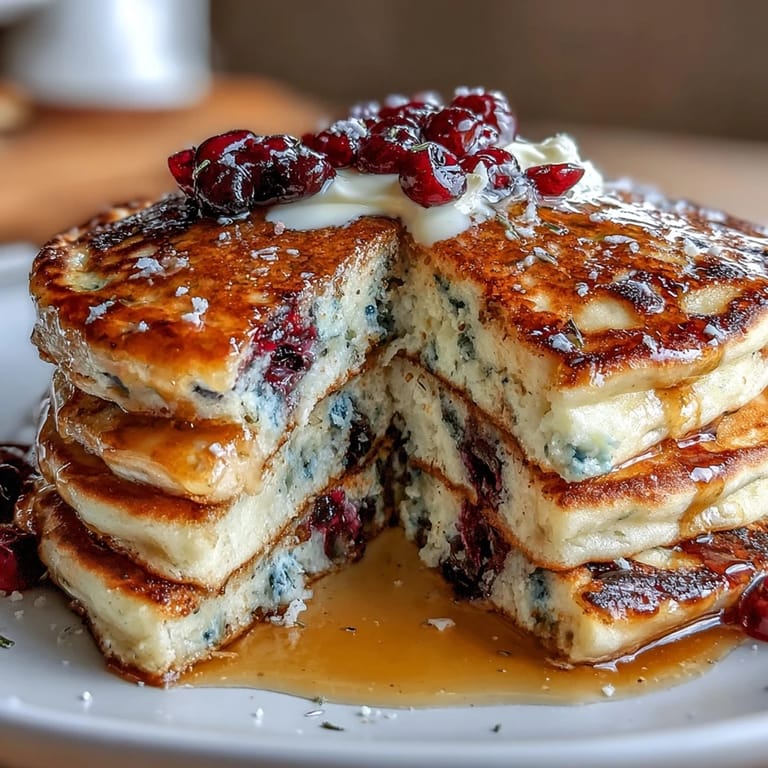
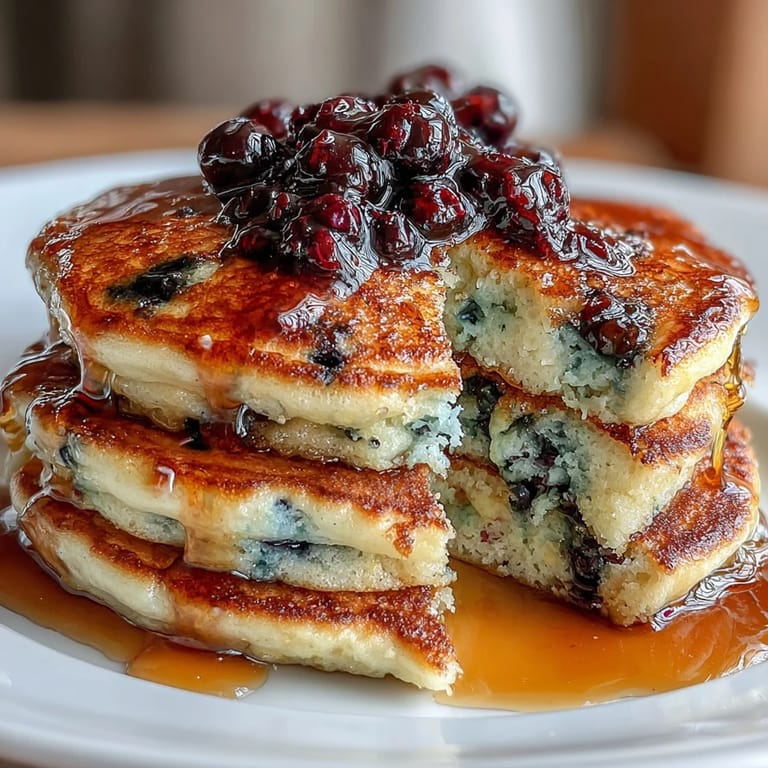
Save My sourdough starter was threatening to overflow again, and I'd just scraped out what felt like the hundredth discard into a container when I thought—why not actually use this instead of feeling guilty about it? That afternoon, I whisked together a batter that smelled unexpectedly bright, almost floral from the lemon zest, and watched as fat blueberries sank into the batter. The first pancake off the griddle was pure magic: tangy from the fermented discard, fluffy like a cloud, with bursts of tartness from the berries. It felt less like following a recipe and more like discovering what that starter had been waiting to become.
I made these for my neighbor who'd been eyeing my starter jar for weeks, convinced she could never keep one alive. She sat at my kitchen counter with a cup of coffee, and I flipped pancakes while telling her the secret was just acceptance—feed it when you remember, use what spills over, don't stress the rest. By the time she left with three pancakes wrapped in foil, she'd already asked if I could help her start her own starter. These pancakes became the entry point to her sourdough journey, proof that every imperfect discard has a purpose.
Ingredients
- Sourdough discard (1 cup): The unfed, room-temperature kind is what you want—don't use a fed starter or it'll be too thick and won't incorporate smoothly. This is your secret ingredient for tanginess and those impossibly fluffy edges.
- Milk (1 cup): Whole milk gives the richest result, but 2% works perfectly fine if that's what you have on hand.
- Eggs (2 large): They bind everything and contribute to that tender crumb—don't skip them or substitute lightly.
- Melted butter (3 tbsp): Unsalted lets the lemon and blueberry shine; if you only have salted, just reduce the salt in the dry mixture slightly.
- Vanilla extract (1 tsp): A small but essential touch that deepens the flavor without announcing itself.
- Lemon zest and juice: Use a microplane for the zest to avoid bitter white pith, and fresh lemon juice makes an enormous difference in brightness.
- All-purpose flour (1 1/4 cups): Spoon-and-level your measuring—scooping directly into the bag packs it down and can throw off your ratio.
- Baking powder and baking soda: Together they create lift; baking soda also reacts with the acidic sourdough discard to give you extra height.
- Fresh or frozen blueberries (1 cup): If frozen, leave them frozen—thawing releases their juice and creates purple streaks throughout.
Tired of Takeout? 🥡
Get 10 meals you can make faster than delivery arrives. Seriously.
One email. No spam. Unsubscribe anytime.
Instructions
- Combine your wet base:
- Pour the sourdough discard, milk, eggs, melted butter, vanilla, lemon zest, and juice into a large bowl and whisk until everything is incorporated and the mixture looks smooth. You'll notice the smell shift as you whisk—that's the lemon and sourdough getting acquainted.
- Whisk your dry mixture separate:
- In another bowl, stir together the flour, sugar, baking powder, baking soda, and salt until evenly distributed. Keeping these separate prevents lumps from forming and gives you control over your final batter.
- Fold gently until just combined:
- Pour the dry ingredients into the wet and stir just until you don't see streaks of flour anymore; lumps are actually your friends here because overmixing creates tough pancakes. Stop as soon as you can resist the urge to keep stirring.
- Fold in the blueberries:
- Add the cold or frozen blueberries and fold them in with a few gentle strokes, being careful not to crush them or you'll lose those pockets of brightness in every bite.
- Heat your cooking surface:
- Set a non-stick skillet or griddle over medium heat and let it warm for a minute or two; when a drop of water sizzles and dances, you're ready. Brush the surface lightly with butter, just enough to coat.
- Pour and watch for bubbles:
- Measure 1/4 cup of batter per pancake and pour it onto the skillet, leaving space between each one so they have room to breathe. Wait for bubbles to form across the top and the edges to look set and slightly dry, which takes about 2–3 minutes.
- Flip with confidence:
- Using a spatula, slide underneath and flip in one quick motion; the bottom should be golden and lightly browned. Cook the second side for 1–2 minutes until it matches the first side.
- Keep them warm as you go:
- Transfer finished pancakes to a plate and tent loosely with foil so they stay warm while you cook the rest. Add a little more butter to the skillet between batches to prevent sticking.
- Finish with toppings:
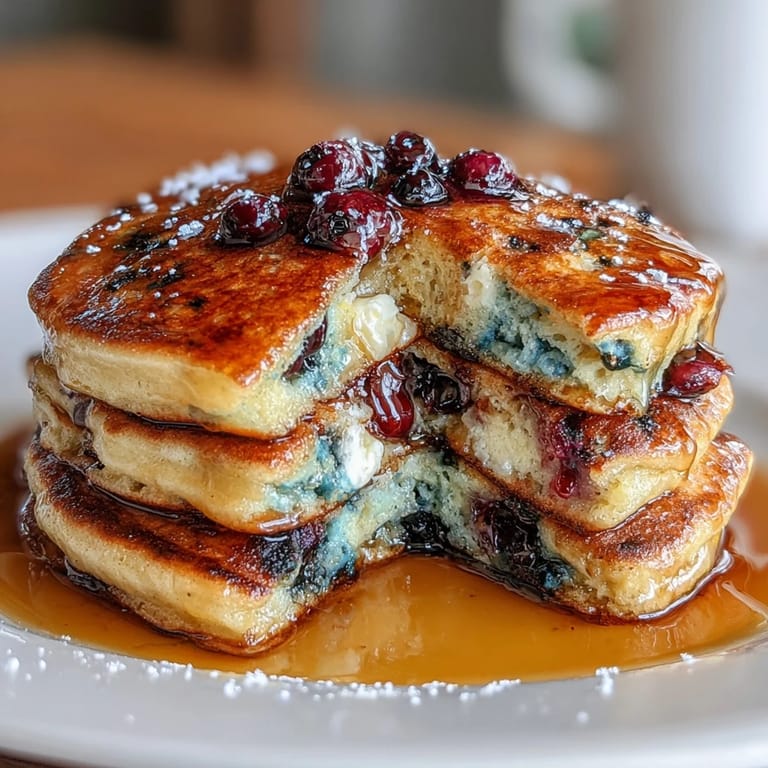
- Serve immediately with maple syrup, fresh blueberries, a sprinkle of powdered sugar, or even a dollop of whipped cream if you're feeling generous.
 Save
Save There's something deeply satisfying about using the part you'd normally discard and watching it transform into something people actually want on their breakfast plate. It feels less wasteful and somehow more connected to the whole process of keeping a starter alive.
The Sourdough Starter Advantage
Using sourdough discard in pancakes isn't just practical—it's actually brilliant for flavor. The fermentation adds a subtle tang that wakes up your palate without tasting sour, and the bacteria create extra lift so these pancakes are fluffier than standard recipes. You're not fighting the discard; you're working with its natural properties to get a better result than you would with just baking soda and powder alone.
Working with Blueberries
Blueberries can be tricky in pancake batter because they bleed color and sometimes sink to the bottom unless you're strategic. The trick I've learned is to toss frozen berries in just a tiny bit of flour before folding them in—this creates a little protective barrier that helps them stay suspended and keeps their juice from staining the entire batter purple. It's a small step that makes your finished pancakes look restaurant-quality instead of tie-dyed.
Storage and Reheating Ideas
These pancakes actually freeze beautifully, which is my favorite part about making a full batch. Let them cool completely on a wire rack, stack them between parchment paper, and freeze in an airtight container for up to two weeks; when you want them, just pop them in the toaster or warm oven and they'll taste nearly as fresh as the day you made them.
- Stack cooled pancakes with parchment between each one so they don't stick together in the freezer.
- Reheat from frozen in a 350°F oven for about 5–7 minutes, or use a toaster on a medium setting for quicker mornings.
- These are perfect to have on hand for busy mornings when you want something better than cereal but don't have time to cook from scratch.
 Save
Save These pancakes are proof that the best recipes often come from trying to solve a small problem—in this case, what to do with sourdough discard. They've become my go-to for weekend breakfast and the thing I make when I want to feel accomplished before noon.
Recipe FAQs
- → How does sourdough discard affect the flavor?
Sourdough discard adds a subtle tanginess and enhances the pancakes' moisture, creating a light and airy texture.
- → Can frozen blueberries be used directly?
Yes, fold frozen blueberries in without thawing. Tossing them lightly in flour beforehand helps prevent color streaking.
- → What is the best way to cook the pancakes evenly?
Cook over medium heat on a lightly buttered non-stick skillet until bubbles form and edges set, then flip and cook until golden.
- → How can the lemon flavor be intensified?
Adding a small amount of lemon extract or extra zest will brighten the flavor without overpowering the balance.
- → Are there good flour substitutes for this batter?
Spelt or whole wheat flour can be used for a nuttier profile, though the texture and lightness may vary slightly.