 Save
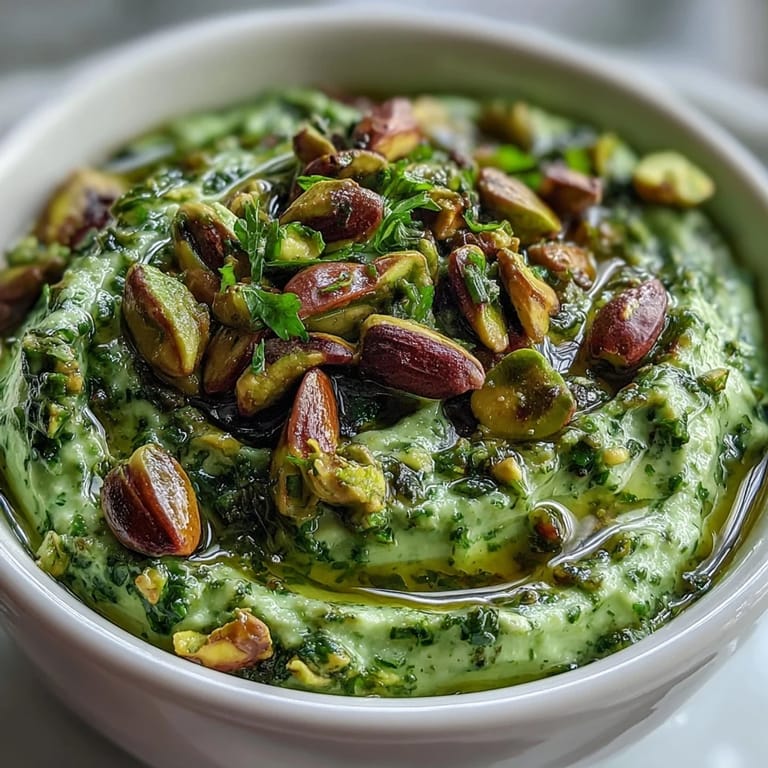
Save I discovered pistachio pesto by accident when my neighbor brought over a jar of homemade green sauce that tasted nothing like the basil-pine nut version I'd known forever. One taste and I was hooked—that nutty, almost buttery richness completely changed how I thought about pesto. Within days, I was hunting for pistachios at the market, eager to recreate that moment in my own kitchen.
My first batch sat in a jar on my counter while I was meal prepping, and my partner kept coming back to it, spreading it on toast, stirring it into leftover roasted chicken. By the time dinner rolled around, half the pesto was already gone. I learned that day that this sauce doesn't just improve a dish—it makes people want to eat more.
Ingredients
- Shelled unsalted pistachios (1 cup, 130 g): These are the soul of the sauce, offering a creamy texture and subtle sweetness that regular pine nuts can't match; don't use roasted or salted ones, which will overpower everything.
- Fresh basil leaves, packed (2 cups, 50 g): The fresher the better, and really pack them down when measuring so you get maximum herbal brightness without bitterness.
- Garlic cloves (2), peeled: Two cloves keeps things balanced and garlicky without turning harsh; if you love garlic more than anything, one and a half is your sweet spot.
- Grated Parmesan cheese (1/3 cup, 30 g): This brings umami and helps bind everything together, so use the real stuff and grate it yourself if you can.
- Extra-virgin olive oil (1/2 cup, 120 ml): This is where quality matters since it's tasted directly; pour slowly when you add it so the texture stays silky and not greasy.
- Kosher salt (1/2 teaspoon) and freshly ground black pepper (1/4 teaspoon): Season to your taste at the end because everything concentrates as the food processor works.
- Fresh lemon juice (1 tablespoon, optional): A squeeze of brightness lifts the whole sauce, especially if it tastes a bit heavy after the oil goes in.
Tired of Takeout? 🥡
Get 10 meals you can make faster than delivery arrives. Seriously.
One email. No spam. Unsubscribe anytime.
Instructions
- Pulse the dry components:
- Drop the pistachios, basil, and garlic into your food processor and pulse—don't blend—until everything looks finely chopped but still has a little texture. You want to feel tiny bits between your teeth, not a paste yet.
- Add the cheese and seasonings:
- Sprinkle in the Parmesan, salt, and pepper, then pulse a few more times until everything is evenly distributed and you can smell the garlic and cheese mingling with the nuts.
- Stream in the olive oil:
- Turn the processor on and pour the olive oil in slowly—this is the magic moment where everything becomes silky and transforms into actual pesto. If you rush this, you'll end up with something too chunky.
- Taste and brighten:
- Give it a taste right from a spoon, then add that lemon juice if the sauce feels a bit flat or nutty-heavy. One pulse to combine and you're done.
- Store or serve:
- Use immediately on warm pasta (which will loosen it beautifully) or let it sit in an airtight container in the fridge for up to five days; the flavor actually deepens overnight.
 Save
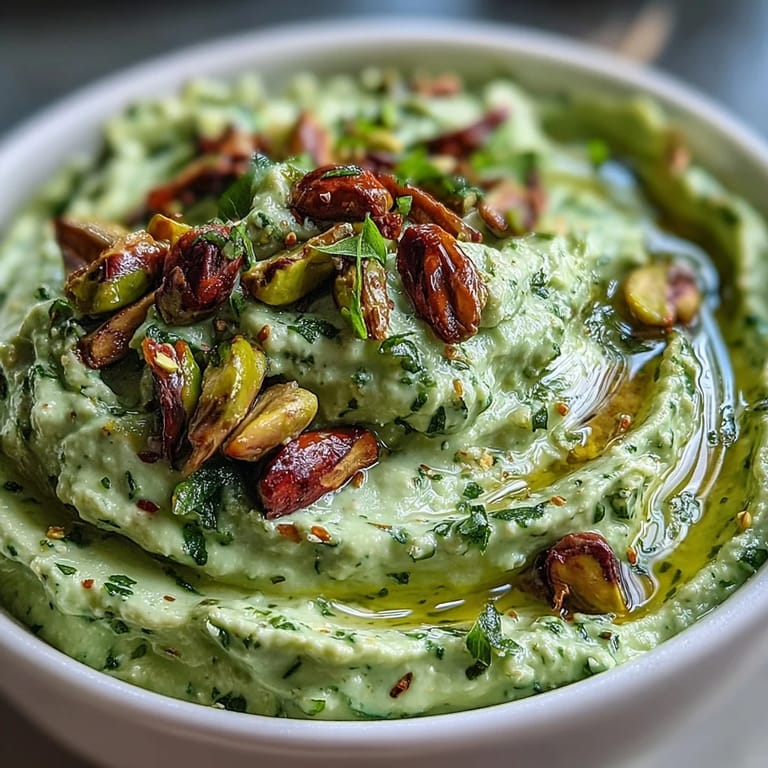
Save I brought a batch to a dinner party once as a backup sauce, worried it might be too unusual. Three people came back into the kitchen asking for the recipe, and one friend started using it as her go-to for absolutely everything. That's when I realized this wasn't just a recipe—it was something that actually changed how people thought about their food.
When to Use Fresh Basil vs. What Happens If You Don't
Fresh basil is non-negotiable here because cooking or drying it changes everything about how it tastes. I once tried using frozen basil in a pinch and the sauce turned dark and slightly bitter, missing that bright herbaceous snap that makes pistachio pesto special. The basil needs to stay alive and vibrant to balance the richness of the nuts and oil.
Why Parmesan Matters (And What Happens If You Skip It)
Parmesan does more than add flavor—it acts like a binder and brings saltiness that prevents the pesto from tasting flat or too oily. I tried making a vegan version with nutritional yeast once and it was fine, but something was missing; the Parmesan creates this depth that feels almost essential. If you're avoiding dairy, nutritional yeast works, but you might need to add a pinch more salt.
Beyond Pasta: Other Ways to Use This Sauce
This pesto is way more flexible than you might think, and part of the joy is discovering new ways to use it. I've spread it on roasted chicken, swirled it into soups, layered it on sandwiches, and even stirred it into cream cheese for a dip that disappeared instantly.
- Toss it with warm roasted vegetables straight from the oven to let the heat release all the aromatics.
- Drizzle over grilled fish or shrimp just before serving for an elegant finish that looks effortless.
- Mix it into Greek yogurt for a creamy dip that pairs perfectly with crudités or crispy pita chips.
 Save
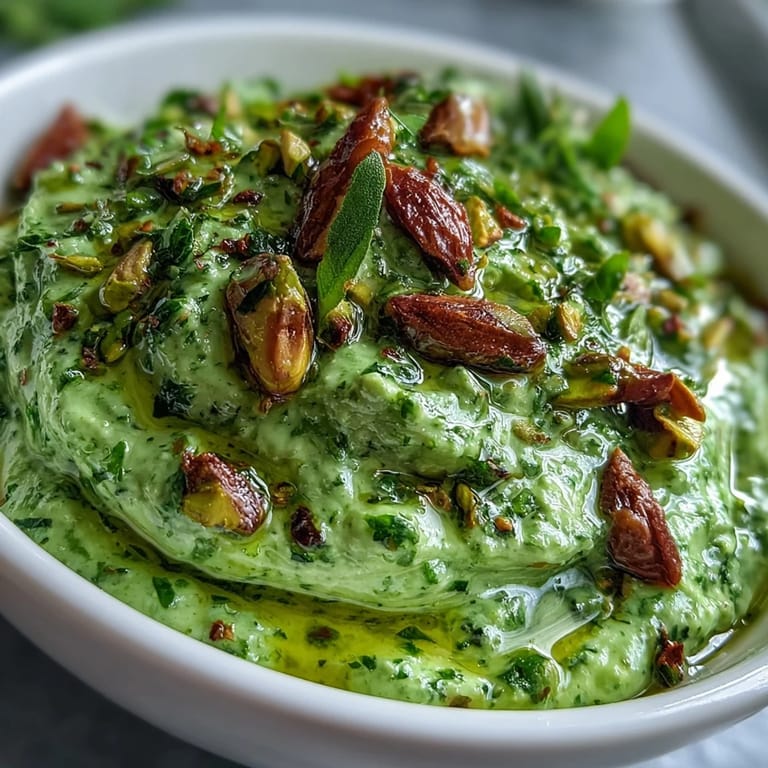
Save This sauce became my answer to so many kitchen moments—when I needed something fast, when I wanted to impress, when dinner felt boring. It's become one of those recipes that lives in my kitchen now.
Recipe FAQs
- → What nuts are used in this sauce?
Unsalted shelled pistachios provide a rich, nutty base essential for the sauce's flavor and texture.
- → Can I substitute Parmesan cheese?
Yes, nutritional yeast can replace Parmesan for a vegan-friendly alternative without sacrificing umami.
- → How can I adjust the sauce consistency?
Add pasta cooking water gradually to thin the mixture, making it ideal for tossing with cooked pasta.
- → What fresh herbs are included?
Fresh basil leaves contribute aromatic, bright notes that enhance the overall flavor profile.
- → How long does the sauce last once prepared?
Stored in an airtight container in the refrigerator, it remains fresh up to 5 days.
- → What kitchen tools are recommended?
A food processor or blender works best to achieve a smooth and even texture quickly.