 Save
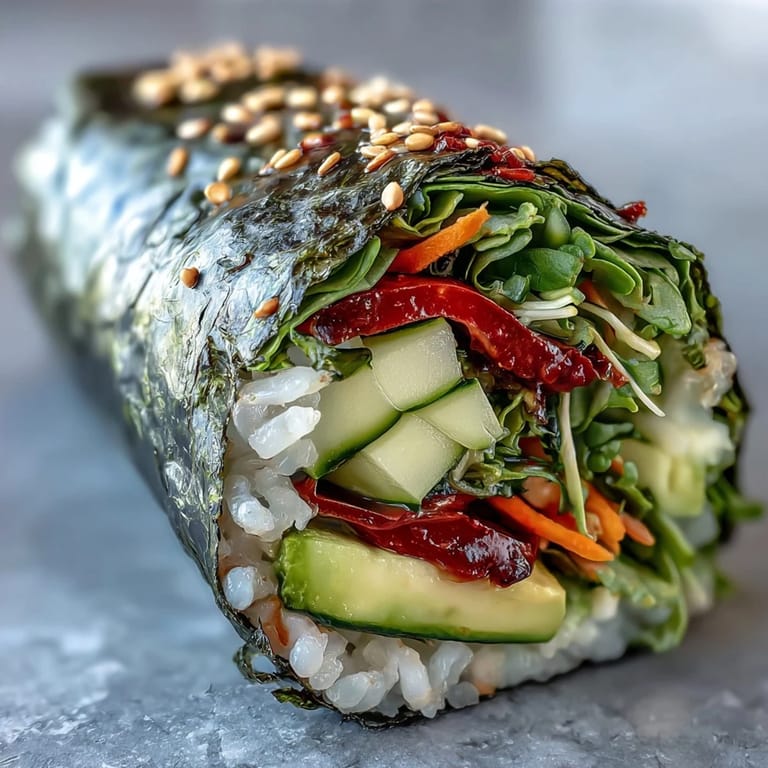
Save There's something oddly satisfying about rolling nori by hand, the way the seaweed wants to stick to itself if you're not careful, how the vegetables peek through like little jewels. My first attempt happened on a lazy Sunday afternoon when I was tired of ordering takeout and decided to see if I could make sushi at home without fancy equipment. Turns out you don't need much—just a mat, a sharp knife, and the willingness to make a few wonky rolls before the technique clicks. Now I make these whenever I want something fresh and crunchy that doesn't involve heating up the kitchen.
I served these to my sister after she mentioned she was tired of heavy lunches, and watching her eat four rolls without pausing is the kind of silent compliment that sticks with you. She grabbed another one, dipped it in soy sauce, and said nothing except a satisfied noise—which told me everything. Since then, whenever she visits, she texts ahead asking if I'm making the nori rolls.
Ingredients
- Nori sheets (8 sheets): Look for the ones labeled roasted if you want that subtle, toasted flavor—the raw ones taste a bit too mineral if you ask me.
- Cucumber (1 medium, julienned): English cucumbers are your friend here because they have fewer seeds and stay crisp longer; cut them into thin matchsticks.
- Avocado (1 ripe): The ripeness matters more than you'd think—too hard and you'll bruise it trying to slice, too soft and it turns to mush inside the roll.
- Mixed sprouts (1 cup): Any combination works, but I love the peppery bite of radish sprouts mixed with something milder like alfalfa.
- Carrot (1 medium, julienned): Raw and crunchy is the goal, so don't skip the julienne—thinner pieces roll more easily and distribute better.
- Red bell pepper (1 small, julienned): The sweetness balances the umami from the nori and soy sauce in a way that feels intentional.
- Sushi rice (2 cups cooked, optional): If you're using it, the rice vinegar is essential—it cuts the staleness and gives everything a subtle tang.
- Rice vinegar (2 tablespoons): Don't skip this; it's the difference between boring rice and rice that actually tastes like something.
- Toasted sesame seeds (1 tablespoon): Toast them yourself if you can; the flavor is rounder and less harsh than pre-toasted.
- Soy sauce or tamari: For dipping, and honestly, a good quality one makes a noticeable difference in the final taste.
- Pickled ginger and wasabi (optional): These are nice to have on the side even if you don't use them—they wake up your palate between bites.
Tired of Takeout? 🥡
Get 10 meals you can make faster than delivery arrives. Seriously.
One email. No spam. Unsubscribe anytime.
Instructions
- Season the rice if you're using it:
- Fold the rice vinegar into your warm sushi rice with a gentle hand, stirring to coat everything without mashing the grains. Let it sit at room temperature while you prep your vegetables—it'll cool down and the flavors will settle in.
- Set up your rolling station:
- Lay your bamboo mat out in front of you, shiny side up, and place one sheet of nori on top with the shiny side facing down. Have a small bowl of water nearby; you'll need it to seal the roll at the end.
- Spread the rice (if using):
- Using wet fingers or the back of a spoon, spread a thin layer of rice across the lower two-thirds of the nori, leaving about two centimeters bare at the top and bottom. The temptation is always to use more rice than you need, but restraint here means your rolls will actually roll.
- Arrange your vegetables:
- Lay a small handful of cucumber, a few slices of avocado, some sprouts, a small pile of carrot, and a couple strips of bell pepper in a horizontal line across the middle of the rice. Sprinkle sesame seeds over everything for flavor and a little crunch.
- Roll it up with intention:
- Using the mat, fold the nori over the fillings and start rolling toward you, pressing gently but firmly as you go to keep everything tight. When you reach the top, wet the exposed edge of nori with a finger and press it down to seal—this is your insurance policy against unraveling.
- Slice with a wet knife:
- Once your roll is made, grab a sharp knife, run it under water, and slice the roll into eight pieces with one smooth motion per cut, not a sawing action. Wetting the knife between cuts keeps the nori from tearing and the rice from sticking.
- Serve immediately:
- Arrange the pieces on a plate with a small dish of soy sauce for dipping, maybe a dab of wasabi on the side if anyone's brave. The nori is crispest right after rolling, so don't let them sit too long.
 Save
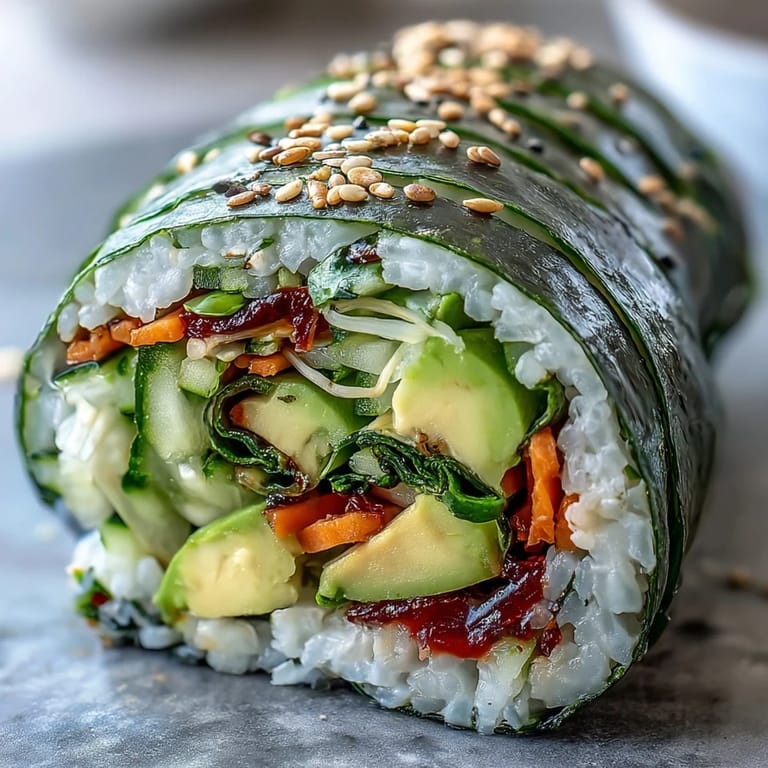
Save There was a moment during a dinner party when someone asked if these were restaurant-quality, and I realized that homemade nori rolls taste different not because they're fancier, but because they're exactly what you wanted to eat at that exact moment. That kind of intention in a meal, even a simple one, matters more than technique.
Rice or No Rice—What Works Best
I spent months thinking you needed rice for these to be real sushi rolls until I tried them without it one night when I forgot to cook rice ahead of time. The vegetables alone were so crunchy and flavorful that I realized the rice had been a crutch, not a requirement. Now I serve them both ways depending on what I'm craving—rice when I want something more filling, vegetables only when I want maximum crunch and a lighter feel. The no-rice version is also genuinely better if you're watching carbs or just want the vegetable flavors to be louder and more honest.
Why This Works as Meal Prep
If you prep everything in advance and keep the components separate, you can assemble rolls whenever hunger strikes, which is the kind of flexibility that has saved me from bad snack decisions more times than I can count. The vegetables stay crisp if you keep them in airtight containers, and you can roll them fresh each time you want to eat without the nori getting soggy. I've also noticed that teaching someone else how to roll them turns into an oddly meditative activity—there's something about the repetitive motion that makes conversation flow differently.
Flavor Combinations Worth Trying
Once you get comfortable with the basic roll, the variations reveal themselves naturally through what's in your refrigerator and what your taste buds are asking for at that moment. I've added everything from pickled carrots to crispy tofu to thin strips of mango, and the beautiful part is that nori and rice—or just nori—are neutral enough to play well with almost anything. The structure stays the same, but the personality of each roll can shift depending on your mood and what's fresh.
- Try adding strips of marinated tofu or tempeh if you want protein that won't overpower the fresh vegetables.
- Thinly sliced mango or even strawberry creates a strange and surprisingly delicious contrast with the umami of the nori and soy sauce.
- A thin smear of spicy mayo or sriracha mixed with mayo gives the whole thing a modern kick without turning it into something unrecognizable.
 Save
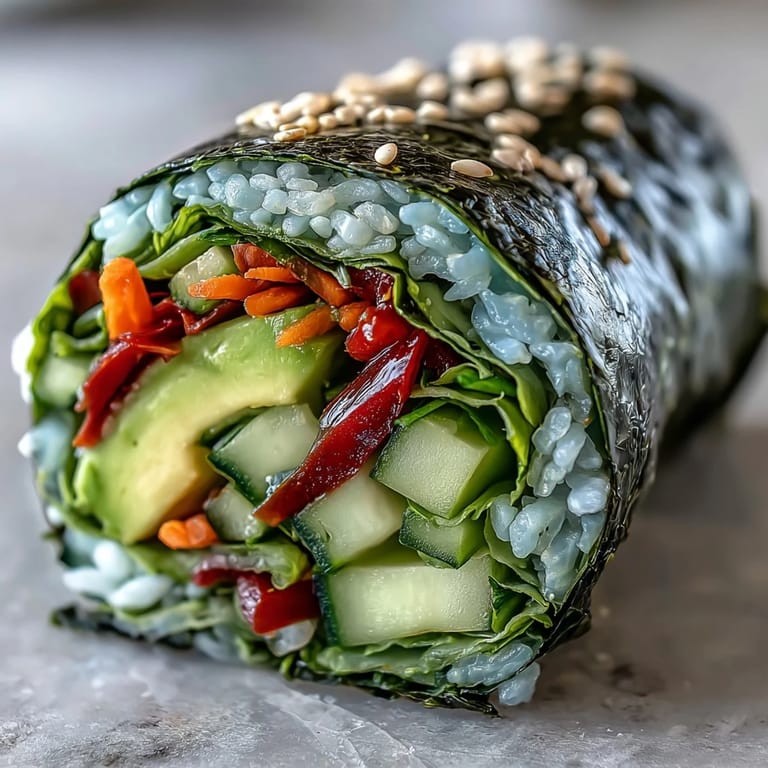
Save These rolls live in that sweet spot where they're simple enough to make on a whim but impressive enough to offer to guests, which is exactly the kind of recipe worth having in your regular rotation. They remind you that some of the best meals don't require heat or complexity, just intention and fresh ingredients treated with respect.
Recipe FAQs
- → Do I need a bamboo rolling mat?
A bamboo mat helps create tight, uniform rolls, but a clean kitchen towel works perfectly as a substitute. The key is applying gentle, even pressure while rolling to keep fillings secure inside the nori wrapper.
- → Can I make these ahead of time?
These taste best when served immediately to maintain the vegetables' crisp texture. However, you can prepare all the vegetables hours in advance and store them refrigerated in airtight containers. Assemble just before eating for optimal freshness.
- → What other vegetables work well?
Thinly sliced red cabbage, julienned daikon radish, steamed asparagus spears, or shelled edamame make excellent additions. Marinated vegetables like grilled eggplant or pickled daikon also add wonderful flavor dimensions.
- → How do I prevent the nori from getting soggy?
Ensure vegetables are patted dry before placing on nori. If using rice, spread it thinly and let it cool completely to room temperature. Slice rolls with a sharp, damp knife for clean cuts that don't crush the delicate wrapper.
- → What's the best way to slice the rolls?
Use your sharpest knife, damping the blade with water between cuts to prevent sticking. Cut with a gentle sawing motion rather than pressing down, which helps maintain the roll's shape and keeps fillings intact.
- → Are these completely grain-free?
Yes, when prepared without sushi rice, these rolls contain only vegetables and nori seaweed, making them naturally grain-free and low-carb. The nori wrapper provides essential minerals while vegetables contribute fiber and vitamins.