 Save
Save There's something about the smell of butter and flour toasting in a pan that still takes me back to my aunt's kitchen on random weeknights when she'd throw together mac and cheese without a second thought. She never measured anything, just knew when the roux looked right by some invisible timer in her head. That's when I learned that the best comfort food doesn't come from fancy techniques—it comes from understanding a few simple principles and trusting your instincts. This version honors that casual confidence while giving you the exact measurements so you know exactly what you're doing.
I made this for a potluck once and watched someone's face light up the moment they tasted it—not because it was fancy, but because it was exactly what they didn't know they needed that night. That's when I realized mac and cheese isn't really about the ingredients; it's about showing up with something warm and genuine when people are hungry.
Ingredients
- Elbow macaroni, 250 g (8 oz): Cook it just shy of the package time so it stays firm enough to hold the sauce without turning to mush.
- Unsalted butter, 2 tbsp: Use real butter—it's the foundation of a sauce that doesn't taste thin or waxy.
- All-purpose flour, 2 tbsp: This creates the roux that thickens everything and keeps the sauce silky, not separated.
- Whole milk, warmed, 500 ml (2 cups): Warm milk whisks in smoothly without shocking the roux and creating lumps.
- Sharp cheddar cheese, grated, 200 g (2 cups): Sharp means flavor—don't use mild cheese here or you'll wonder why it tastes like nothing.
- Gruyère or mozzarella cheese, grated, 50 g (½ cup): Optional but worth it; Gruyère adds a subtle nuttiness that makes people pause mid-bite wondering what that flavor is.
- Mustard powder, ½ tsp: A pinch of this doesn't make it taste mustard-y—it wakes up the cheese and makes it sing.
- Ground black pepper, ¼ tsp: Fresh ground, not pre-ground if you have it—the difference is real.
- Salt, ½ tsp: This is your seasoning backbone; taste as you go and adjust to your preference.
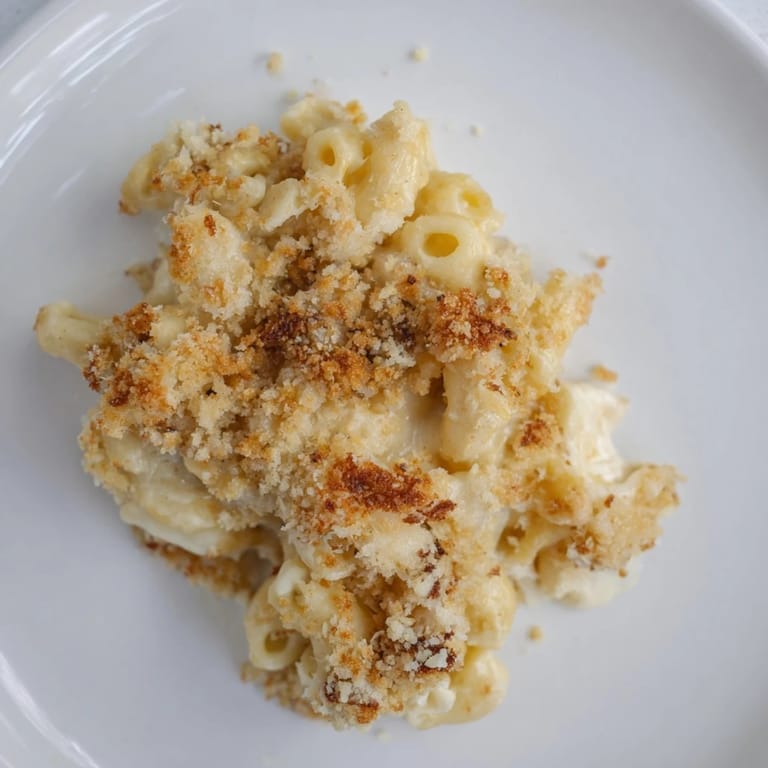
- Breadcrumbs (panko preferred), 40 g (⅓ cup): Panko stays crunchy longer than regular breadcrumbs and creates that golden-brown finish everyone expects.
- Unsalted butter, melted, 1 tbsp: This binds the topping together so it doesn't scatter across the baking dish.
- Grated Parmesan cheese (optional), 2 tbsp: Adds a sharp, salty edge to the topping that keeps it from tasting one-note.
Tired of Takeout? 🥡
Get 10 meals you can make faster than delivery arrives. Seriously.
One email. No spam. Unsubscribe anytime.
Instructions
- Get Your Oven Ready:
- If you're going the baked route, preheat to 200°C (400°F) now so it's ready when you are. If you're serving straight from the stovetop, skip this step.
- Cook the Pasta:
- Bring a large pot of salted water to a boil—the water should taste like the sea. Add the macaroni and cook until just shy of al dente, about 1–2 minutes less than what the box says, then drain and set aside. The pasta will cook a bit more in the oven or from the heat of the sauce, so leave it slightly firm.
- Build the Roux:
- Melt the butter in a medium saucepan over medium heat, then add the flour all at once. Whisk constantly for 1–2 minutes until it smells toasty and looks like wet sand—this is the roux, and it's what stops your sauce from being thin and grainy. Watch it carefully; you want it blonde, not brown.
- Introduce the Milk:
- Pour the warm milk in slowly while whisking constantly, working out any lumps as you go. The warmth of the milk matters here because cold milk hitting the hot roux can cause clumping. Once it's all in, keep stirring until the sauce thickens enough to coat the back of a spoon, about 3–4 minutes.
- Melt in the Cheese:
- Remove from heat and stir in the sharp cheddar and Gruyère (if using), stirring until completely melted and glossy. Add the mustard powder, black pepper, and salt, tasting as you go. This is when you decide if it needs more seasoning—trust your palate, not the recipe.
- Combine Pasta and Sauce:
- Add the drained pasta to the cheese sauce and stir until every piece is coated. The pasta should look creamy and luxurious, not soupy.
- Decide Your Finish (Stovetop or Baked):
- For stovetop: Serve immediately in bowls, maybe finish with a crack of black pepper or extra cheese. For baked: Pour everything into a lightly greased baking dish and move to the next step.
- Make the Topping:
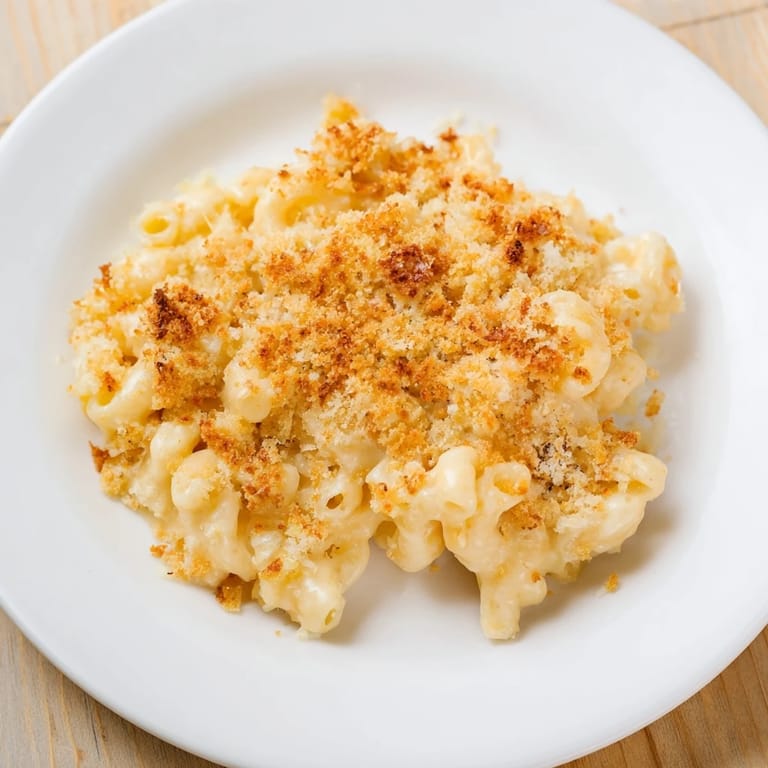
- In a small bowl, toss the breadcrumbs with the melted butter and Parmesan until the crumbs look evenly coated and clustered. Sprinkle this mixture evenly over the pasta—don't pack it down or it'll turn dense instead of crispy.
- Bake Until Golden:
- Bake for 15–20 minutes until the top is golden brown and crispy. Let it cool for about 5 minutes before serving so it sets enough to scoop cleanly without falling apart.
 Save
Save Someone once told me that mac and cheese is what you make when you want to say 'I care' without making a big production of it. That stuck with me.
The Science of the Sauce
The roux is doing heavy lifting here—it's not just thickening the milk, it's also cooking out the raw flour taste that would otherwise make the sauce taste flat. When you whisk in warm milk slowly, you're preventing lumps from forming because the roux can gradually absorb the liquid instead of being shocked by it. The cheese melts best when the sauce is off the heat and still steaming; melting it over direct heat risks breaking the sauce, which separates into greasy puddles and stringy cheese bits. This happens because the proteins in the cheese curdle from too much heat, so respect the process and you'll get the silky result every time.
When to Go Baked Versus Stovetop
Stovetop mac and cheese is for when you want comfort now—it's creamy, rich, and done in minutes. Baked mac and cheese is for when you want that crispy-topped version that makes a dramatic entrance at the table. If you're feeding a crowd, baked makes sense because it stays warm longer and that golden crust is worth the extra 20 minutes of baking. For a weeknight solo meal or quick dinner, stovetop wins every time.
Make It Your Own
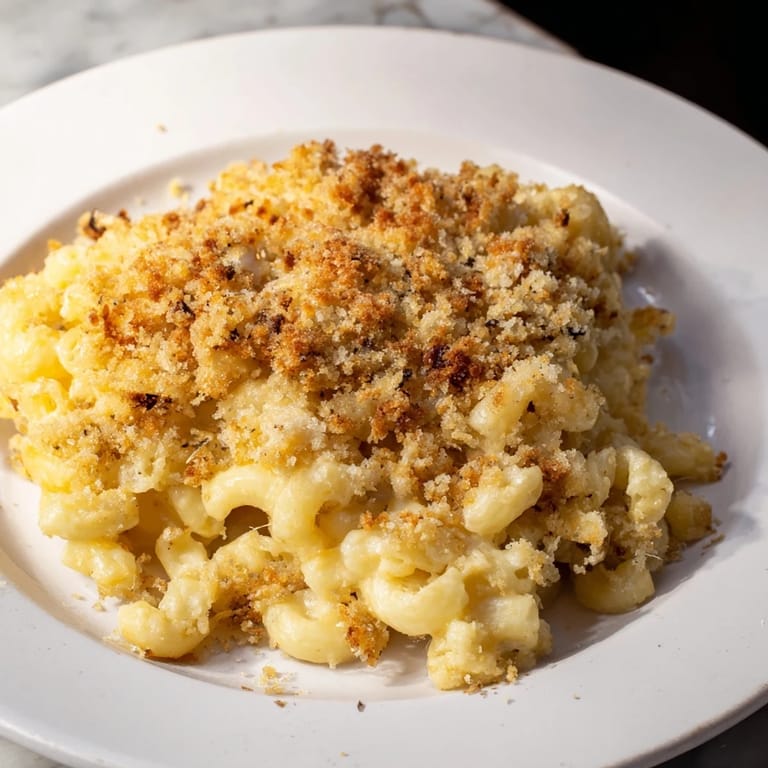
This recipe is a canvas, not a cage. I've made versions with crispy bacon stirred in at the last second, caramelized onions for sweetness, a pinch of cayenne for heat, even a small handful of fresh thyme scattered on top. The base stays solid no matter what you add, which is why it's such a reliable formula to build from. Once you understand how the roux and cheese come together, you can trust yourself to experiment.
- For extra richness, swap half the milk for heavy cream and reduce the amount to 375 ml (1½ cups).
- Crumbled bacon, cooked ham, or sautéed mushrooms all dissolve into the sauce and add subtle flavor depth.
- A tiny pinch of smoked paprika or cayenne gives heat without overpowering the cheese.
 Save
Save This is the kind of recipe that lives in the back of your mind until someone you love is hungry and you want to feed them something that says, 'you matter.' Make it once and you'll know it by heart.
Recipe FAQs
- → How do I achieve a smooth cheese sauce?
Ensure you whisk butter and flour to form a roux without browning, then gradually add warm milk while stirring to avoid lumps before melting cheese in gently.
- → Can I bake this dish for a crispy top?
Yes, topping the pasta with a mixture of breadcrumbs, melted butter, and Parmesan before baking at 200°C (400°F) creates a golden, crunchy crust.
- → What pasta type works best?
Elbow macaroni is ideal as it holds the creamy sauce well and provides a classic texture for this dish.
- → How can I add extra flavor?
Enhance the dish with cooked bacon, caramelized onions, or a pinch of cayenne for a spicy twist.
- → Are there gluten-free alternatives?
Use gluten-free pasta and substitute all-purpose flour with a gluten-free blend for the roux to accommodate gluten-free diets.