 Save
Save My friend showed up with a container of homemade tahini dressing one Tuesday, and I nearly asked her to stay forever. It was that moment when something so simple—just sesame paste, lemon, and garlic whisked together—tasted more interesting than salads I'd spent hours preparing. I started making it weekly after that, realizing it was less about following a recipe and more about understanding how those three core ingredients could balance each other into something almost magical.
I'll never forget the first time I brought a mason jar of this to a potluck and watched people come back three times for seconds. Someone asked if I'd bought it from a Middle Eastern market, and honestly, that's when I knew I'd figured something out. The dressing sat on that table longer than the expensive sides, which told me everything.
Ingredients
- Tahini: This sesame seed paste is your foundation, and it matters more than you'd think—look for brands that don't separate into oil and sediment, as they tend to be smoother and less likely to seize up on you.
- Fresh lemon juice: Bottled juice works in a pinch, but the acid in fresh lemon actually transforms the tahini from dense to silky, so it's worth squeezing a real lemon if you can.
- Extra-virgin olive oil: This isn't just fat; it carries flavor and helps emulsify the dressing into something creamy instead of bitter.
- Water: Your invisible tool for controlling texture without diluting flavor, so add it slowly and taste as you go.
- Garlic: Minced or grated raw, it gives the dressing a clean bite that mellows slightly as it sits in the fridge, making it better the next day.
- Maple syrup or honey: Just a touch balances the tartness of lemon and the earthiness of tahini without making it sweet.
- Sea salt: Fine salt dissolves instantly and seasons evenly, unlike coarse salt which can create harsh pockets.
- Ground cumin: Optional, but one quarter teaspoon adds a whisper of warmth that makes people wonder what makes this different from other tahini dressings.
Tired of Takeout? 🥡
Get 10 meals you can make faster than delivery arrives. Seriously.
One email. No spam. Unsubscribe anytime.
Instructions
- Start with the tahini base:
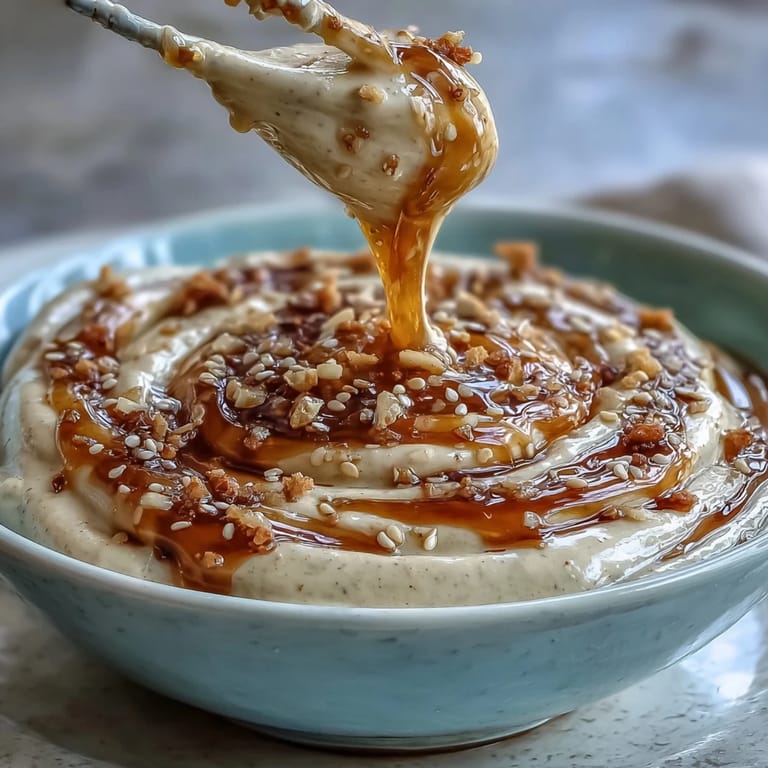
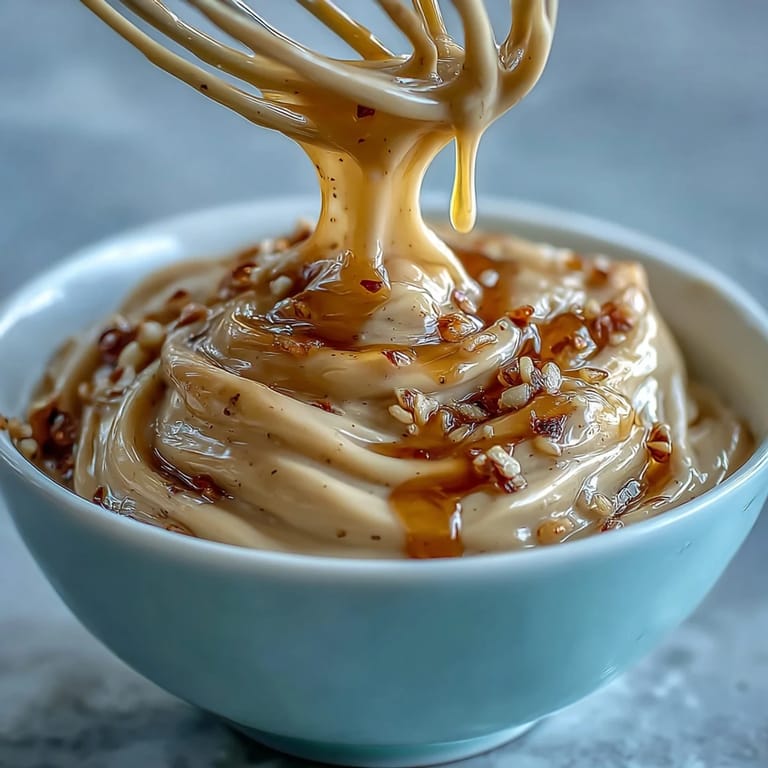
- Pour the tahini into your bowl and whisk it with lemon juice, olive oil, and water right away—the lemon juice acts like a loosening agent, breaking up the density of the paste before it can thicken. You'll watch it transform from grainy to something almost silky if you keep whisking.
- Build the flavor:
- Add the garlic, sweetener, salt, and cumin, then whisk until everything disappears into the dressing and there are no streaks of sesame paste left. The texture should already look creamy and pourable at this point.
- Adjust until it's yours:
- Drizzle in more water one tablespoon at a time, tasting between additions—the dressing will thicken slightly as it sits, so aim for something that seems just a touch thinner than where you want it to end up. If you oversalt or undersalt, now's the moment to fix it without any drama.
- Store or serve:
- Use it immediately drizzled warm over a grain bowl, or transfer it to a jar and refrigerate, where it'll keep for five days and actually taste better after a day when the flavors have settled and deepened.
 Save
Save One evening I made this dressing and my daughter, who usually pushes vegetables around her plate, actually asked for more salad. It turned out the missing piece wasn't the vegetables—it was a sauce that made them taste like something worth eating. That's when I realized this wasn't just a recipe; it was permission to stop overthinking dinner.
How to Use This Dressing
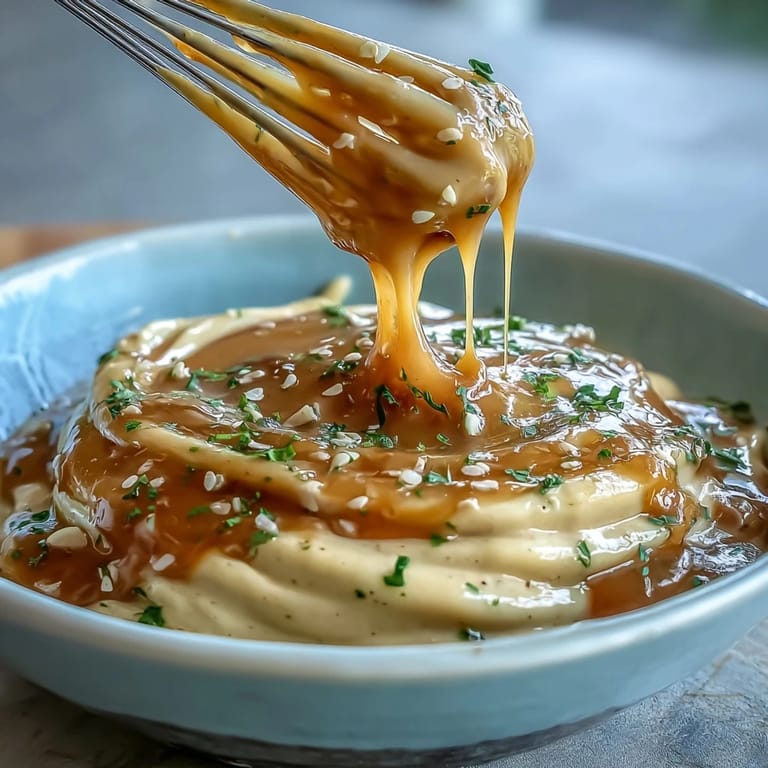
Tahini dressing doesn't play favorites—it works on grain bowls, leafy salads, roasted vegetables, and even as a side dip for flatbread or raw carrots. I've drizzled it over grilled chicken, dolloped it on roasted cauliflower, and spooned it into wraps where it acts like the binding element that makes everything stick together. The dressing is patient enough to wait in the fridge but bold enough to anchor whatever you're building.
Why This Works Better Than You Might Expect
Most tahini dressings fail because people either add too much water and lose all the nutty flavor, or they skip the sweetness and end up with something sour and aggressive. This recipe finds the middle ground by relying on balance instead of proportion—a small amount of honey or maple syrup doesn't make it sweet, it just softens the edges and lets the lemon and garlic sing. The cumin isn't load-bearing either, but when it's there, people taste depth without being able to name it.
Kitchen Lessons and Last-Minute Thoughts
I learned early on that the quality of your tahini matters more than any other ingredient—a thin, separated jar will never whip up as creamy as a fresh one, no matter how much you whisk. The olive oil should be something you'd actually taste on bread, not the bottom-shelf bottle, since it's front and center in such a simple recipe. Temperature also plays a small but real role; tahini straight from the pantry whisks more smoothly than cold tahini, and the finished dressing actually tastes brighter at room temperature than straight from the fridge.
- Make a double batch and keep it on hand because you'll use it on things you didn't plan to drizzle it on.
- If the dressing breaks or looks grainy, add a splash of warm water and whisk gently—it recovers every time.
- Taste as you adjust; this dressing forgives small tweaks but rewards your attention.
 Save
Save This dressing has become the reason I don't stress about what to make for lunch anymore—it's the one thing that makes almost anything taste intentional. Keep a jar of it in your fridge and watch how many meals suddenly feel less like an obligation and more like something you were actually happy to eat.
Recipe FAQs
- → What ingredients create the creamy texture?
The tahini combined with olive oil and water produces a smooth, creamy texture that's easy to pour and coat ingredients well.
- → How can I adjust the dressing's thickness?
Add water gradually to reach your preferred consistency, making it thinner or thicker as needed.
- → Can I substitute sweeteners in this dressing?
Yes, maple syrup adds balance but can be replaced with honey or agave for different sweetness profiles.
- → What dishes pair well with this sauce?
It's perfect for drizzling on salads, wraps, grain bowls, roasted vegetables, or as a dip for fresh veggies.
- → How long does the dressing last refrigerated?
Stored in an airtight container, it stays fresh for up to five days in the refrigerator.