 Save
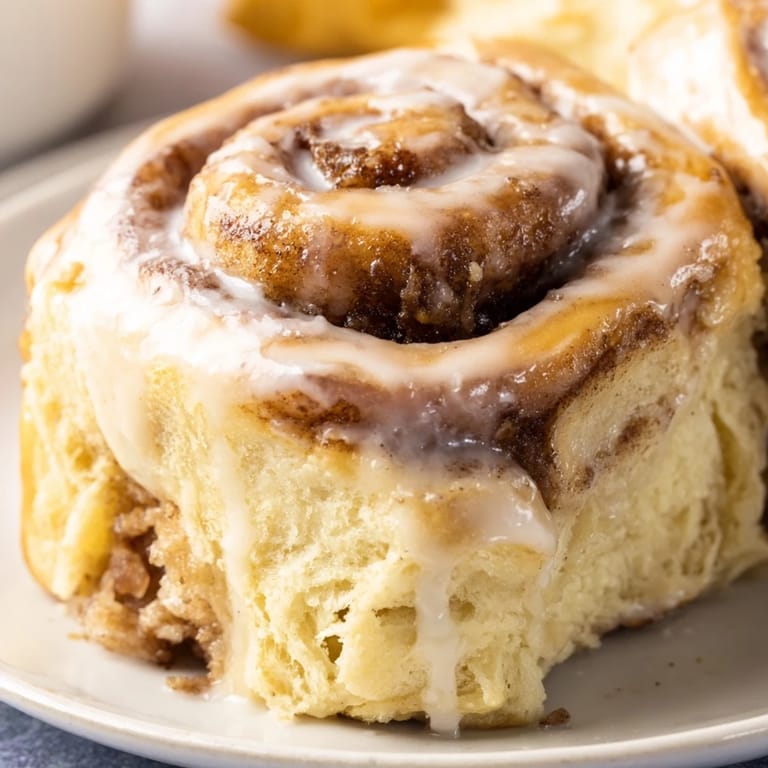
Save There's something about the smell of cinnamon rolls rising in the oven that makes a house feel like home, even when you're just learning to bake. I discovered this recipe on a lazy Sunday morning when my roommate wandered into the kitchen looking disappointed at the empty bread basket, and I impulsively decided to try making them from scratch. What started as a slightly nervous experiment turned into the kind of breakfast that made us both forget about our phones for an hour.
I remember my mom's face the first time I brought a batch to her house warm in a container, still steaming through the lid. She took one bite and immediately asked for the recipe, then made them the next week and called to say she'd added pecans, which I stole immediately.
Ingredients
- All-purpose flour (4 cups): The foundation that gives structure; don't sift it, just spoon it into the measuring cup and level it off, because packing flour is how you accidentally add too much and end up with tough rolls.
- Active dry yeast (1 packet): This is the magic ingredient that makes everything rise; always check the expiration date because dead yeast means dense, flat disappointment.
- Lukewarm milk (1 cup): It should feel warm on your wrist, not hot, or you'll kill the yeast before it even starts working.
- Granulated sugar (⅓ cup): This feeds the yeast and gives the dough a subtle sweetness that doesn't overpower the cinnamon filling.
- Unsalted butter, melted (¼ cup): Use good butter if you can; the flavor difference is noticeable and worth it.
- Large egg (1): Room temperature eggs mix in more smoothly and create a richer dough.
- Salt (½ tsp): This seems tiny, but it actually brings out the cinnamon flavor and keeps the dough from tasting flat.
- Brown sugar, packed (½ cup): The molasses in brown sugar gives the filling a deeper, less one-note sweetness than white sugar.
- Ground cinnamon (2 tbsp): Don't hold back; this is where the rolls get their identity, and cinnamon is one of those spices that only gets better when you're generous.
- Unsalted butter, softened (¼ cup): This needs to be at room temperature and spreadable, otherwise you'll tear your dough trying to get it on evenly.
- Powdered sugar (1 cup): The glaze carrier; sift it first if you have the patience because lumps make the glaze streaky.
- Milk (2–3 tbsp): Use regular whole milk for a thicker glaze that coats the rolls; add the extra tablespoon if you like it thinner.
- Pure vanilla extract (½ tsp): Worth buying the real stuff; it makes the glaze taste like something, not just sweetness.
Tired of Takeout? 🥡
Get 10 meals you can make faster than delivery arrives. Seriously.
One email. No spam. Unsubscribe anytime.
Instructions
- Wake up the yeast:
- Combine the lukewarm milk and yeast in a small bowl and let it sit for 5 minutes. You'll know it's working when it gets foamy on top, which feels like a tiny victory.
- Build the dough:
- Mix the flour, sugar, and salt in a large bowl, then add the melted butter, egg, and yeast mixture. Stir everything together until a shaggy dough forms; it won't be smooth yet, but it will be.
- Knead until smooth:
- Transfer the dough to a lightly floured surface and knead for 8–10 minutes, using the heel of your hand to push it away from you, then fold it back. When it stops being sticky and springs back when you poke it, you're done.
- Let it rise:
- Place the dough in a greased bowl, cover it with a damp towel, and let it sit in a warm spot for about 1 hour. It should roughly double in size; if your kitchen is cold, use the oven with just the light on, which creates the perfect warm nest.
- Roll out and fill:
- Turn the risen dough onto your counter and roll it into a 16x12 inch rectangle. Spread the softened butter evenly over it, then mix the brown sugar and cinnamon and sprinkle it over everything, making sure to get into the corners.
- Roll and slice:
- Starting from the long side, roll the dough tightly toward you, creating a log. Using a serrated knife or even dental floss (seriously, it works), slice the log into 12 equal pieces; if you twist the floss under and cross it over the top, it cuts cleanly without squishing.
- Second rise:
- Place the rolls cut-side up in a greased 9x13 inch baking dish. Cover them loosely and let them rise again for 30–45 minutes; they should look puffy and slightly touching each other.
- Bake:
- Preheat your oven to 350°F and bake the rolls for 22–25 minutes until they're golden brown on top. They'll smell incredible, and that's your sign they're almost ready.
- Make the glaze and finish:
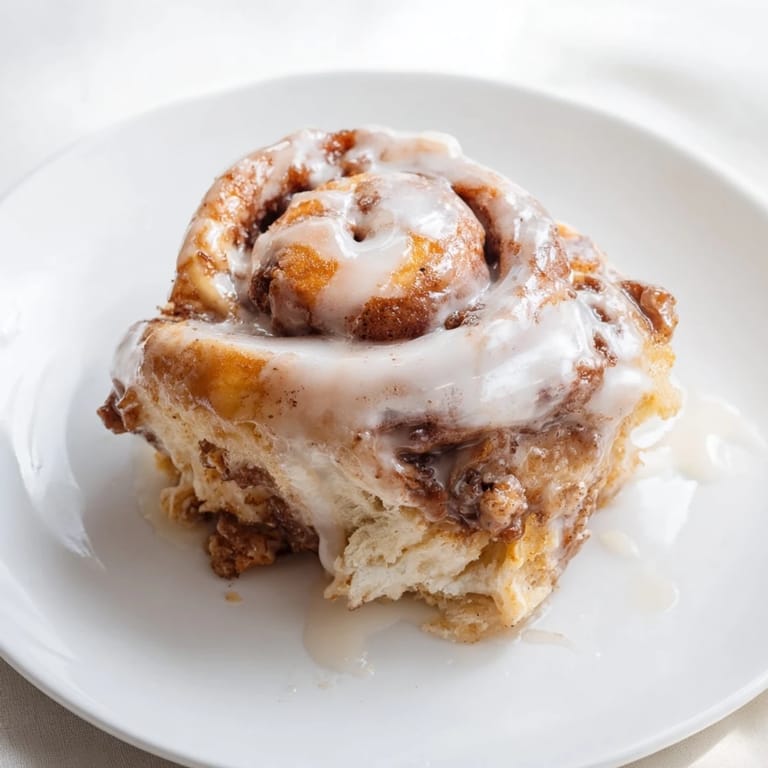
- While the rolls cool for just a few minutes, whisk together the powdered sugar, milk, and vanilla until smooth. Drizzle it over the still-warm rolls so it seeps into all the crevices.
 Save
Save The best moment I've had with these rolls is when my partner came home early from work and the whole apartment smelled like cinnamon and butter. They showed up at the exact moment I was drizzling the glaze, and we just sat on the counter and ate them warm, barely saying anything because the rolls were saying everything.
The Science of Rise
Yeast is a living organism that eats sugar and produces gas, which creates those air pockets that make cinnamon rolls light and fluffy. Temperature matters more than you'd think; if your kitchen is cold, your rise times will double, and that's okay. I learned this the hard way on a winter morning when I waited 45 minutes and nothing happened until I realized my thermostat was set to 62 degrees.
Troubleshooting Common Problems
If your rolls come out dense, the yeast probably didn't activate properly, which usually means the milk was too hot or cold. If they're gummy in the middle, they need about 5 more minutes in the oven, and if the glaze is too runny, you added too much milk; just let it cool and it will thicken.
Ways to Make Them Your Own
The beauty of cinnamon rolls is that the foundation is so solid you can experiment without fear. I've added cardamom to the filling, swapped some of the milk for heavy cream for extra richness, and topped the finished rolls with a sprinkle of fleur de sel that sounds weird but actually works.
- For nutty flavor, brown the butter before mixing it in, or add toasted pecans to the filling.
- If you want to make them ahead, assemble them the night before, refrigerate, and let them come to room temperature before baking.
- Cinnamon is the star, but don't be afraid to dust the glaze with extra cinnamon or a pinch of nutmeg while it's still wet.
 Save
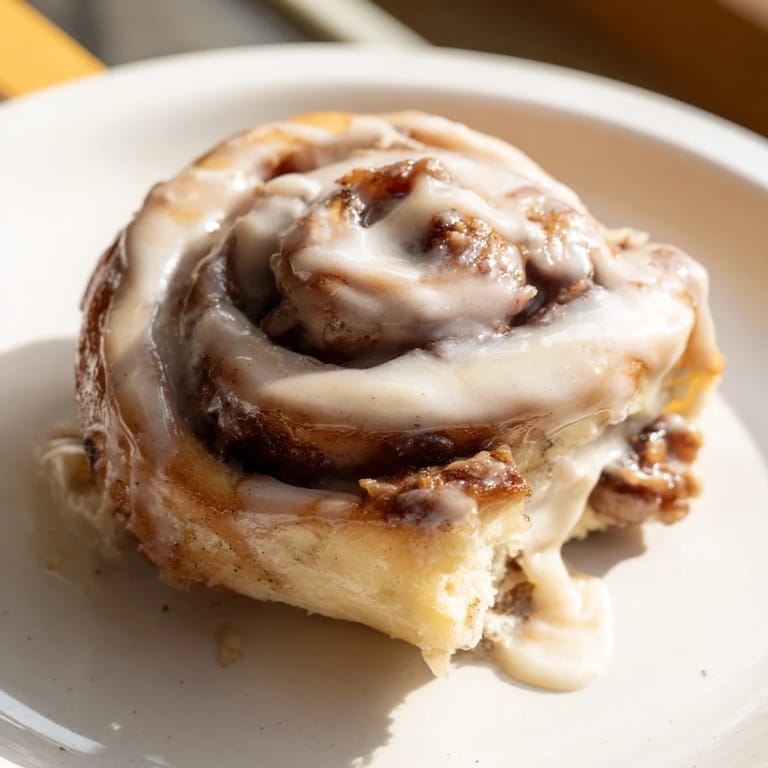
Save There's a reason cinnamon rolls show up on tables for holidays, birthdays, and random Sundays—they taste like someone cared enough to spend time on you. Once you make them once, you'll have the confidence to make them a hundred times.
Recipe FAQs
- → How do I ensure the dough rises properly?
Use lukewarm milk and fresh yeast, allowing the mixture to sit until frothy. Keep the dough in a warm, draft-free spot for rising to encourage proper fermentation and puffiness.
- → Can I add nuts or fruits to the filling?
Yes, chopped nuts or raisins complement the cinnamon filling well and add texture and flavor variety.
- → What is the best way to slice the rolled dough evenly?
Use a serrated knife or dental floss for clean, even slices without squashing the rolls.
- → How do I make the vanilla glaze smooth and pourable?
Whisk powdered sugar, milk, and pure vanilla extract until smooth, adjusting milk quantity for desired consistency.
- → Can I prepare the rolls in advance?
Yes, prepare and let the rolls rise, then cover and refrigerate before baking. Allow them to warm to room temperature before baking for best results.