 Save
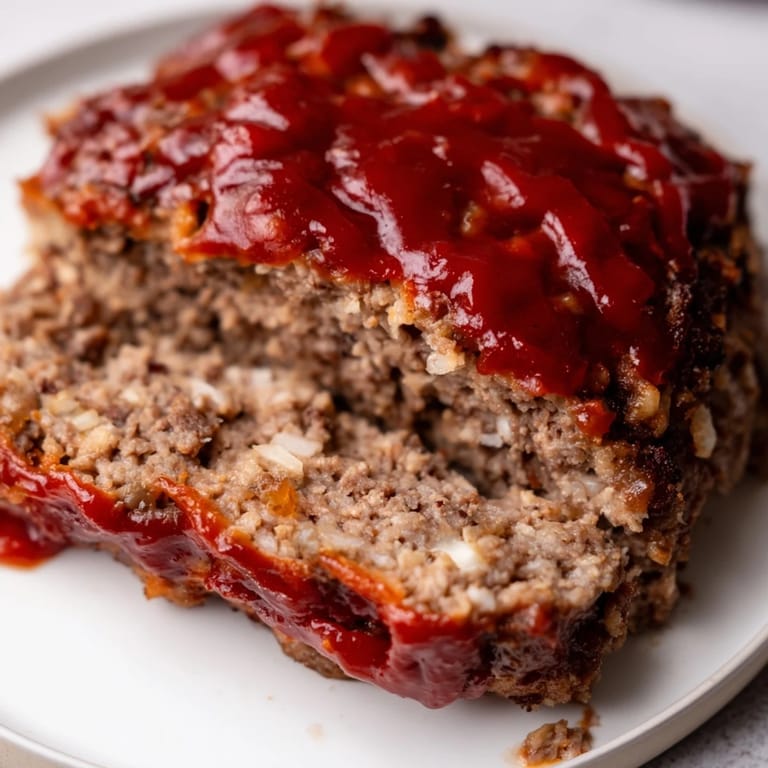
Save There's something about the smell of meatloaf baking that fills a kitchen with pure comfort. I learned to make this from my neighbor who swore by her 80/20 beef ratio, saying it was the secret to a loaf that stayed tender instead of turning into a hockey puck. She'd stand at her oven window like she was watching something precious, and honestly, after my first batch turned out golden and glossy, I understood why. It became the dish I'd make when I needed things to feel right again, when someone needed feeding, when simple and satisfying was exactly what mattered.
I made this for a potluck once and watched a guy who claimed he only ate steakhouse food ask for seconds, then thirds. His wife laughed and said I'd ruined store-bought frozen meals for him forever. That's when I realized meatloaf isn't actually old-fashioned or boring—it's just been waiting for someone to treat it with respect, to use good beef and actual seasonings, to pay attention while it bakes.
Ingredients
- Ground beef (1 ½ lbs, 80/20 blend): This ratio keeps the loaf tender because you need some fat for moisture, but too much turns everything greasy; I learned this the hard way with 90/10.
- Breadcrumbs (¾ cup) and whole milk (⅔ cup): They soak together for five minutes and become almost invisible in the finished loaf, but they're what prevents it from becoming dense and crumbly.
- Eggs (2 large): These bind everything so it holds together when you slice, not so much that you taste them.
- Onion (1 small, finely chopped) and garlic (2 cloves, minced): The foundation of flavor that should be small enough to disappear into the meat, not chunky enough to surprise you.
- Worcestershire sauce (2 tbsp): This is non-negotiable for that deep savory note that makes people ask what your secret is.
- Salt (1 ½ tsp), black pepper (½ tsp), dried thyme (1 tsp), and smoked paprika (½ tsp): Together they create a subtle warmth that makes the beef taste like the best version of itself.
- Ketchup (½ cup), brown sugar (2 tbsp), Dijon mustard (1 tbsp), and apple cider vinegar (1 tsp): The glaze becomes tangy-sweet and sticky, caramelizing at the edges in a way that makes you want to lick the pan.
Tired of Takeout? 🥡
Get 10 meals you can make faster than delivery arrives. Seriously.
One email. No spam. Unsubscribe anytime.
Instructions
- Get your oven ready:
- Heat it to 350°F and line your baking sheet with parchment paper or grease a loaf pan lightly. The parchment makes cleanup easier and gives you a little insurance against sticking.
- Start the soaking mixture:
- In a small bowl, stir breadcrumbs and milk together, then let them sit for exactly five minutes. This waiting moment is important—the breadcrumbs absorb the milk and become the glue that holds everything together.
- Mix the meat base:
- In a large bowl, combine ground beef, the soaked breadcrumbs mixture, eggs, onion, garlic, Worcestershire sauce, salt, pepper, thyme, and smoked paprika. Use your hands and mix just until everything is incorporated—overmixing makes the loaf tough and dense, which defeats the whole purpose.
- Shape your loaf:
- Gently form the mixture into a loaf about eight inches long and four inches wide, then place it on your prepared sheet or in the pan. Don't pack it too hard or it'll cook up tough.
- Make the glaze:
- Whisk together ketchup, brown sugar, Dijon mustard, and apple cider vinegar until smooth and well combined. Taste it if you want—it should taste a little sweet and a little tangy, with that mustard in the background adding complexity.
- First glaze application:
- Spread half the glaze evenly over the top and sides of the loaf with a brush or the back of a spoon. Some will drip down and caramelize on the sheet, which is exactly what you want.
- Bake the first round:
- Put it in the oven for 45 minutes while you can prep sides or pour a drink. The kitchen will start to smell incredible around minute thirty.
- Add the remaining glaze:
- Pull the loaf out, spread the rest of the glaze over the top, and return it to the oven for another 15 minutes. This two-stage glaze method builds more flavor than doing it all at once.
- Check for doneness:
- Use a meat thermometer to make sure the internal temperature reaches 160°F, which means it's cooked through but still tender inside. This takes about an hour total, sometimes a minute or two more depending on your oven.
- Rest before slicing:
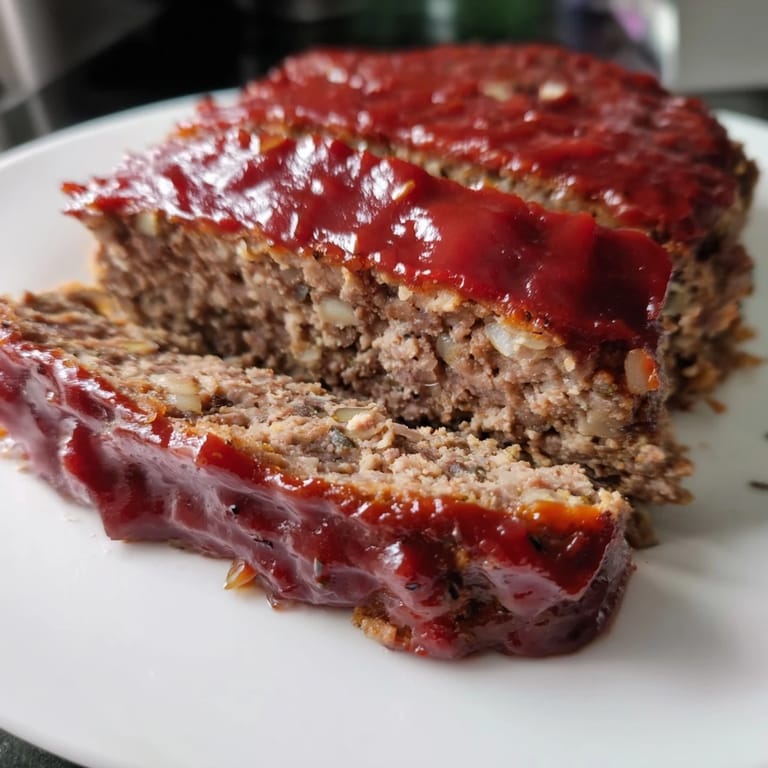
- Let the meatloaf rest for 10 minutes out of the oven before cutting into it. This lets the juices redistribute, so you get a slice that's moist instead of dry.
 Save
Save One evening I made this for someone going through a rough time, and they told me later that sitting at my table eating this warm meatloaf with mashed potatoes and gravy was the first moment they'd felt like things might be okay again. That's when I truly understood that meatloaf isn't just dinner—it's a small act of kindness shaped like a loaf and glazed with care.
Why the Two-Stage Glaze Works
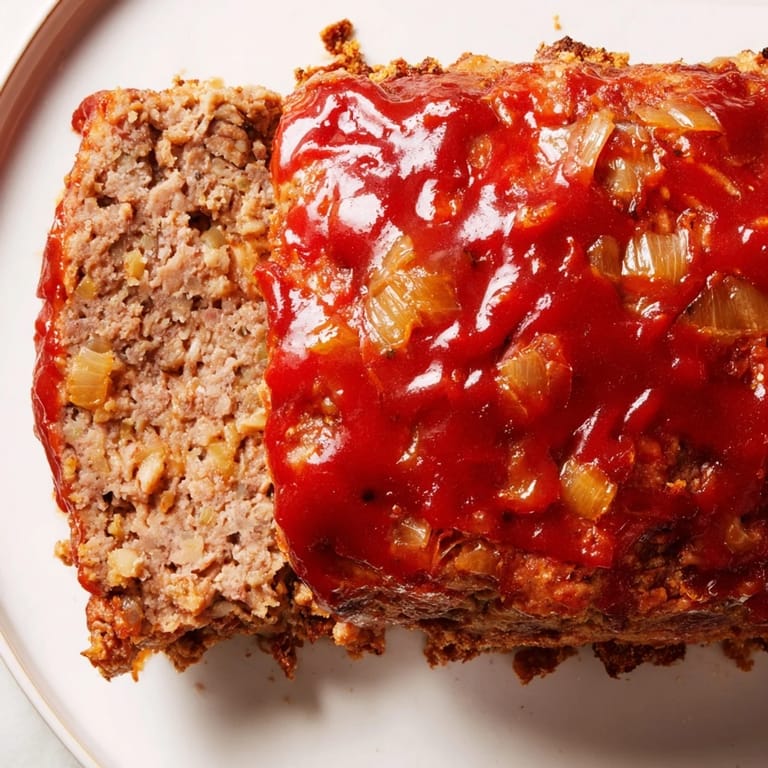
If you apply all the glaze at once, the bottom never caramelizes properly and the top can burn before the inside cooks through. Adding half at the 45-minute mark gives the bottom layer time to set and develop that sticky-sweet crust, while the second application in the final 15 minutes creates a glossy, caramelized coating that looks restaurant-quality. I tested this theory repeatedly because I was skeptical, but the difference between one glaze timing and two is honestly remarkable.
What to Serve Alongside
Mashed potatoes are the obvious choice, and they're obvious for a reason—the soft, buttery starch complements the savory-sweet loaf perfectly. Roasted vegetables like carrots, green beans, or Brussels sprouts add color and keep the plate from feeling too heavy. A simple green salad cuts through the richness if you want something lighter, and crusty bread is nice for soaking up any pan drippings that are honestly better than gravy.
The Day-After Sandwich Secret
Leftovers transform into something almost better than the original meal when you slice the cold meatloaf, toast some bread, and add a little mayo, mustard, and maybe a slice of cheddar. The flavors have had time to meld, and somehow the texture is perfect for sandwiches. Some people add lettuce or tomato, but I've always been a purist about it—just the meatloaf, the bread, and maybe a pickle on the side.
- A thin slice of cheddar or Swiss melts beautifully if you warm the sandwich gently in a pan.
- Leftover meatloaf keeps in the fridge for three or four days if wrapped well, so you can make sandwiches all week.
- If you ever have extra, it freezes well wrapped tightly, which means you can always have this ready when you need comfort on a plate.
 Save
Save This meatloaf has become the thing I make when I want to feel grounded, when I'm cooking for people I care about, when simple and honest is exactly right. It's proof that the most ordinary dishes, treated with attention and a little creativity, become something people remember.
Recipe FAQs
- → What ground beef is best for this loaf?
An 80/20 blend of ground beef is recommended for optimal flavor and moisture balance.
- → How do I make the glaze for the loaf?
Mix ketchup, brown sugar, Dijon mustard, and apple cider vinegar until smooth, then apply in two layers during baking.
- → Can I use other meats instead of beef?
Yes, ground turkey or chicken can be substituted for a lighter variation with subtle flavor changes.
- → What internal temperature should the loaf reach?
Cook until the internal temperature reaches 160°F (71°C) to ensure it is safely done.
- → Can vegetables be added to the mixture?
Adding finely chopped carrots or celery enhances flavor and adds a slight crunch and nutrition.
- → How long should the loaf rest before slicing?
Let it rest for 10 minutes after baking to allow juices to redistribute and keep the loaf moist.