 Save
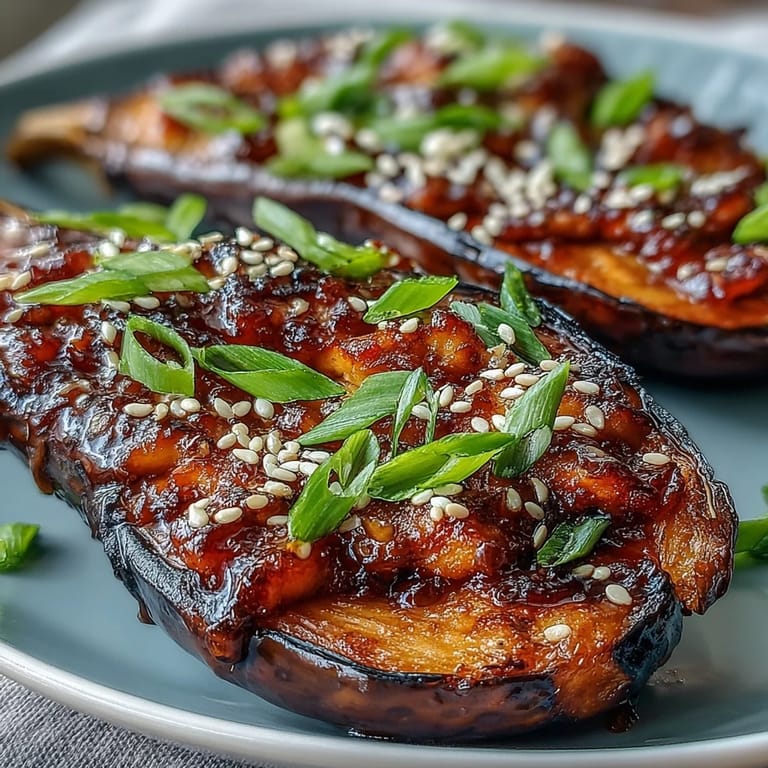
Save My neighbor's kitchen smelled like caramelizing miso the first time I watched her make this, and I was honestly mesmerized by how something so simple could transform eggplant into something silky and deeply savory. She'd lived in Tokyo for years and kept insisting that Japanese eggplant was a totally different creature from the bulky globe ones I'd been cooking with. When she handed me a warm halve with those charred, bubbly edges, I understood what she meant—the flesh practically melted, and that umami glaze made everything else I'd eaten feel a little bland in comparison.
I made this for a dinner party once when I was trying to impress someone's visiting parents, and honestly, I was stressed about getting the broiler timing right. But the moment those eggplants came out bubbling and bronze, with sesame seeds catching the light, even my usually critical self thought, 'Yes, this looks like I know what I'm doing.' Everyone asked for the recipe, and one person literally said they didn't know eggplant could taste like this, which felt like the highest compliment.
Ingredients
- Japanese eggplants (2 medium): These are thinner and sweeter than regular globe eggplants, with fewer seeds and a silkier texture when cooked—they're genuinely worth seeking out at an Asian market or even many regular grocers now.
- White miso paste (3 tbsp): The milder, slightly sweeter cousin of darker miso, it dissolves smoothly into the glaze without overwhelming the delicate eggplant flavor.
- Mirin (1 tbsp): This sweet rice wine brings a subtle gloss and caramelization that sugar alone can't achieve—don't skip it if you can help it.
- Sake (1 tbsp): A splash of cooking sake adds depth and helps the glaze cook down beautifully; if you don't have it, a bit of water works but you'll lose some complexity.
- Sugar (1 tbsp): Rounds out the sweetness and helps the glaze caramelize under the broiler.
- Sesame oil (1 tbsp, plus more for brushing): Use toasted sesame oil for a richer flavor, and that extra bit for the eggplant skin keeps it from sticking and adds a subtle nuttiness.
- Toasted sesame seeds (1 tbsp): Buy them already toasted if you can—they add textural contrast and a warm, toasty finish.
- Green onions (2, thinly sliced): A bright, fresh pop of color and mild allium bite that cuts through the richness beautifully.
Tired of Takeout? 🥡
Get 10 meals you can make faster than delivery arrives. Seriously.
One email. No spam. Unsubscribe anytime.
Instructions
- Set your oven and prep:
- Preheat to 400°F and line your baking sheet with parchment—this step matters because it prevents sticking and makes cleanup actually pleasant. The parchment also helps the eggplants roast evenly without the bottom browning too fast.
- Cut and score your eggplants:
- Slice them lengthwise into halves, then score the flesh in a crosshatch pattern, stopping just before you reach the skin—this helps the heat penetrate evenly and gives the glaze something to cling to. Think of it like you're creating little pockets for all that umami goodness.
- Oil and roast:
- Brush the cut sides lightly with sesame oil, place them cut-side up, and roast for 20 to 25 minutes until the flesh is tender and starting to turn golden. You'll know it's ready when a fork slides through without resistance and the edges are just beginning to caramelize.
- Make your glaze while they roast:
- In a small bowl, whisk together the miso paste, mirin, sake, sugar, and sesame oil until it's completely smooth and has no lumps—this usually takes about a minute of whisking. The mixture should look glossy and slightly thick, like a loose peanut butter.
- Glaze and broil:
- Remove the eggplants from the oven, spread a generous layer of glaze over the cut sides, then switch your oven to broil and cook for 2 to 3 minutes. Watch it closely because the glaze goes from beautifully caramelized to burnt in seconds—you want those dark, bubbly spots but not blackened edges.
- Finish and serve:
- Pull them from the oven, sprinkle generously with toasted sesame seeds and fresh green onions, and serve while everything is still warm. The contrast of hot eggplant, crispy glaze, and cool, bright green onions is exactly what makes this dish work.
 Save
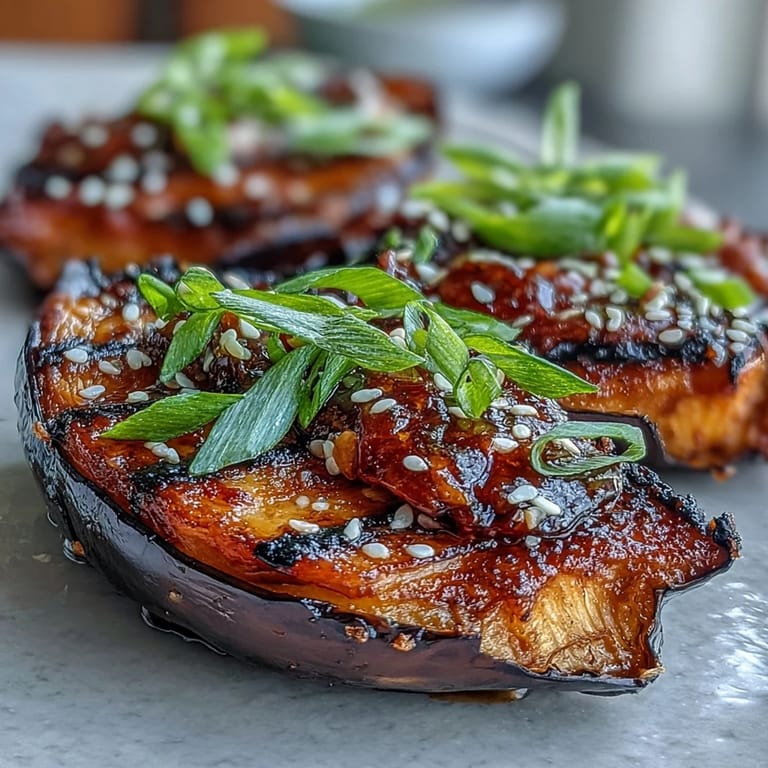
Save There was a quiet moment after everyone finished eating when nobody was talking, just nodding slowly with those satisfied, slightly stunned looks that happen when food actually tastes better than expected. I realized then that this dish is about texture as much as flavor—that creamy eggplant interior meeting the glassy, caramelized glaze on top, those little sesame seed pops. It's the kind of thing that makes you want to cook again the next night.
Why Japanese Eggplant Changes Everything
The first time I made this with regular eggplants out of stubbornness, it was watery and took forever to cook through, and the glaze just sat on top like it didn't belong. Japanese eggplants are thinner, sweeter, and have way fewer seeds, which means they cook faster and stay tender rather than becoming mushy or spongy. Once you try them, it's hard to go back—they're genuinely a different vegetable, and they make this dish sing in a way that other eggplants just can't.
The Magic of the Miso Glaze
That combination of white miso, mirin, sake, and sesame oil is doing something almost chemical—the miso brings umami depth, the mirin adds shine and sweetness, the sake brings complexity, and the sesame oil ties it all together with a warm nuttiness. It sounds like a lot of components for something so simple, but each one has a job, and together they create a glaze that tastes intentional and professional without requiring any special technique. I've tried streamlining it before, and every time I skip something, I miss it immediately.
Timing, Temperature, and That Broiler Moment
The broiler is where this dish either becomes stunning or gets ruined, so it deserves respect and attention rather than hoping for the best while you check your phone. You want the glaze to bubble up and caramelize, which takes about 2 to 3 minutes, but keep watching because every broiler behaves differently—some run hot, some cool. The moment you see the edges darken slightly and the surface has that bubbly, glossy look, pull it out; the residual heat will keep cooking it slightly as it cools.
- If your broiler runs very hot, start checking at 90 seconds to avoid burning.
- Don't glaze the eggplants too early before broiling or the glaze will dry out while they're just roasting.
- Letting them cool for a minute after broiling actually helps the glaze set and makes them easier to handle and plate.
 Save
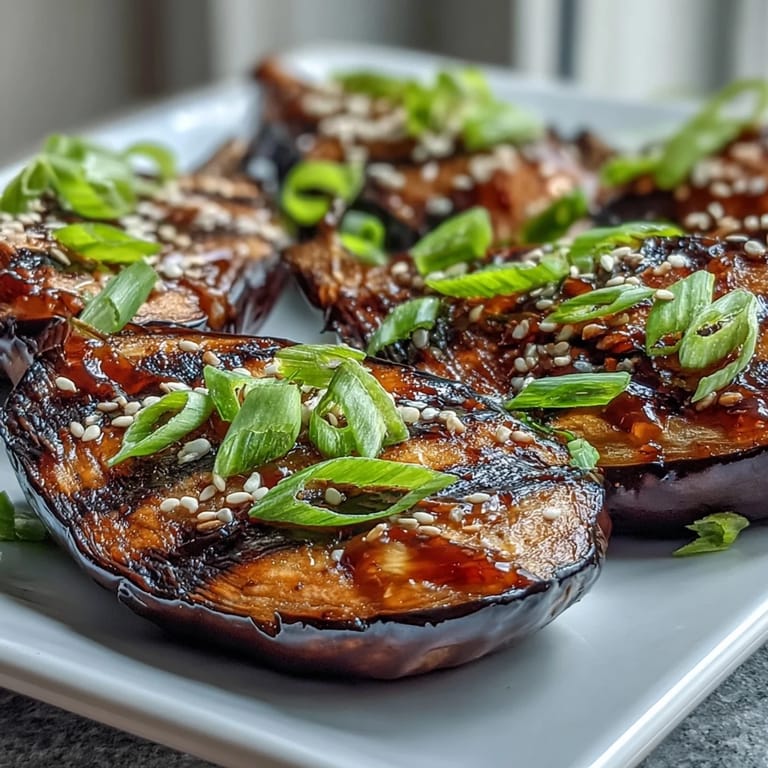
Save This dish has become one of those things I make when I want to feel like I'm cooking with intention but don't have a lot of time or energy to spend. It's deeply satisfying and tastes like you know something about Japanese cooking, which is the best kind of dinner party secret.
Recipe FAQs
- → What type of eggplant works best?
Japanese eggplants are ideal because they have tender, thin skin and fewer seeds than larger globe varieties. Their elongated shape makes them perfect for halving and roasting evenly.
- → Can I make this gluten-free?
Yes. Use gluten-free miso paste and check your mirin and sake labels carefully, as some brands contain gluten. Many Japanese markets carry certified gluten-free versions.
- → What does scoring the eggplant do?
Creating a crosshatch pattern in the flesh helps the heat penetrate more evenly and allows the miso glaze to seep into the eggplant, enhancing flavor absorption throughout cooking.
- → How do I store leftovers?
Keep refrigerated in an airtight container for up to 3 days. Reheat in a 350°F oven for 10-12 minutes to restore the caramelized texture. The glaze may thin slightly when reheated.
- → Can I use red miso instead?
Red miso will work but creates a stronger, more intense flavor profile. White miso provides a milder, sweeter taste that balances beautifully with the caramelization. Adjust sugar to taste if substituting.
- → What should I serve with this?
Steamed white or brown rice is traditional. Also excellent alongside tofu dishes, grilled fish, or as part of a multi-course Japanese meal with pickles and soup.