 Save
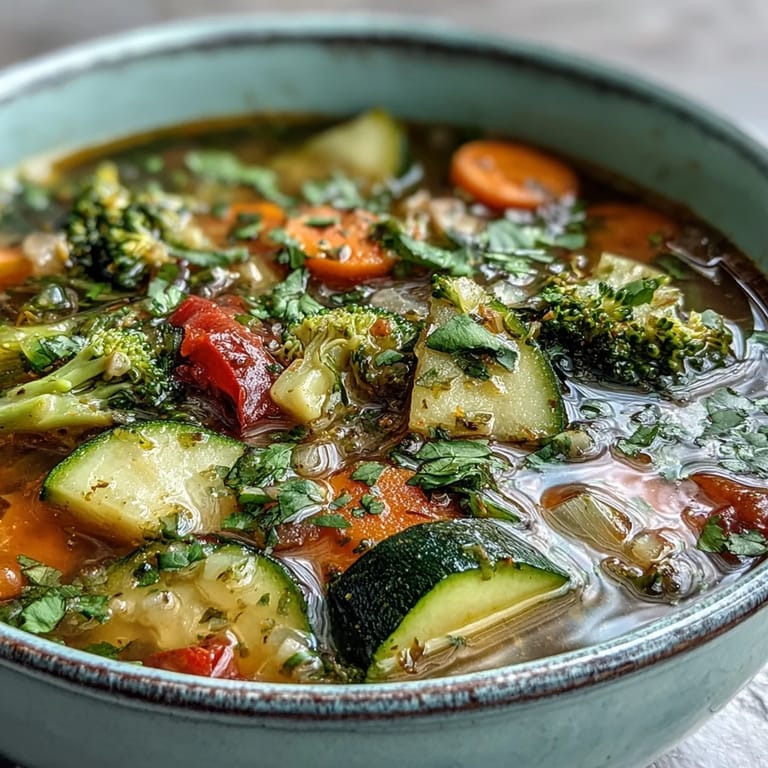
Save Last winter, my neighbor dropped off a knob of fresh ginger from her garden, still caked with soil, and I didn't know what to do with it beyond the usual stir-fries. That evening, a friend texted asking what I was making for dinner, and I decided to toss together whatever vegetables were lurking in my crisper drawer. The ginger went in almost as an afterthought, but the moment that steam hit my face while stirring the pot, I understood why she'd insisted on sharing it. This soup became my answer to everything—a quiet weeknight meal, a remedy for tired days, a way to use up vegetables before they turned soft.
I made this soup for my sister when she was going through a rough patch, and she called me three days later saying she'd made it again because it somehow tasted like comfort without being heavy. That's when I realized this wasn't just a recipe—it was something that actually mattered to people, something that could sit quietly on a table and do its job.
Ingredients
- Onion: The foundation of almost everything, and dicing it fine means it dissolves into sweetness rather than announcing itself as chunks.
- Carrots: They add natural sweetness and body, and peeling them thin helps them soften evenly alongside everything else.
- Celery stalks: This is where umami whispers in, creating a savory backbone that makes the broth feel richer than it is.
- Red bell pepper: Choose one that's firm and glossy, as they bring both brightness and subtle sweetness to the final sip.
- Zucchini: It's gentle and almost undetectable, but it thickens the broth slightly without overpowering anything else.
- Broccoli florets: Cut them smaller than you think necessary so they soften completely and almost melt into tenderness.
- Fresh ginger: This is the star, so peel it with a spoon rather than a knife—you'll lose less and get more of that bright, spicy warmth.
- Garlic cloves: Mince them fine so they distribute evenly and cook quickly without turning bitter or harsh.
- Vegetable broth: Use good broth if you can; the soup is only as good as what you pour in, and the broth should taste like itself.
- Olive oil: Just enough to coat the pan and help the onions become golden without making the soup feel slick.
- Sea salt and black pepper: Taste as you go rather than trusting the recipe, because everyone's palate is different and vegetables release water as they cook.
- Soy sauce or tamari: A tablespoon is optional but transforms the flavor from bright to deeply savory, rounding everything out.
- Fresh cilantro or parsley: Add this at the very end so it stays vibrant and doesn't turn dark from sitting in hot liquid.
- Toasted sesame oil: A small drizzle across the top adds nuttiness and makes it feel finished, like someone cared about the details.
Tired of Takeout? 🥡
Get 10 meals you can make faster than delivery arrives. Seriously.
One email. No spam. Unsubscribe anytime.
Instructions
- Build your base with warmth:
- Heat the olive oil in your pot over medium heat, then add the onion, carrots, and celery together. Let them sauté for about five minutes, stirring occasionally, until the edges of the onion turn translucent and the whole pot starts smelling like the beginning of something good.
- Wake up the aromatics:
- Add your minced garlic and grated ginger, and let them sit in the warm oil for a couple of minutes—you'll know they're ready when the kitchen smells sharp and alive. This is where the magic happens, so don't rush it.
- Add the rest of the vegetables:
- Toss in the bell pepper, zucchini, and broccoli florets, stirring to coat them in the oil and ginger. Let them cook for three minutes just to take the edge off their rawness before you add the broth.
- Bring it all together:
- Pour in your vegetable broth and turn the heat up until you see small bubbles breaking the surface. Once it reaches a boil, lower the heat to a gentle simmer so the vegetables can soften without falling apart.
- Season and simmer:
- Add your salt, pepper, and soy sauce if you're using it, then leave the pot alone for fifteen to twenty minutes. The vegetables should be tender enough to break with a spoon but not so soft they've lost their identity.
- Taste and adjust:
- This is the most important step that most people skip—take a spoon, blow on it gently, and actually taste what you've made. If it needs more salt, add it now; if it tastes flat, a tiny bit more soy sauce might be the answer.
- Finish with intention:
- Ladle the soup into bowls, and while it's still steaming, drizzle a thin ribbon of sesame oil across the top and scatter fresh herbs over everything. This final gesture transforms a simple soup into something that feels thoughtful and complete.
 Save
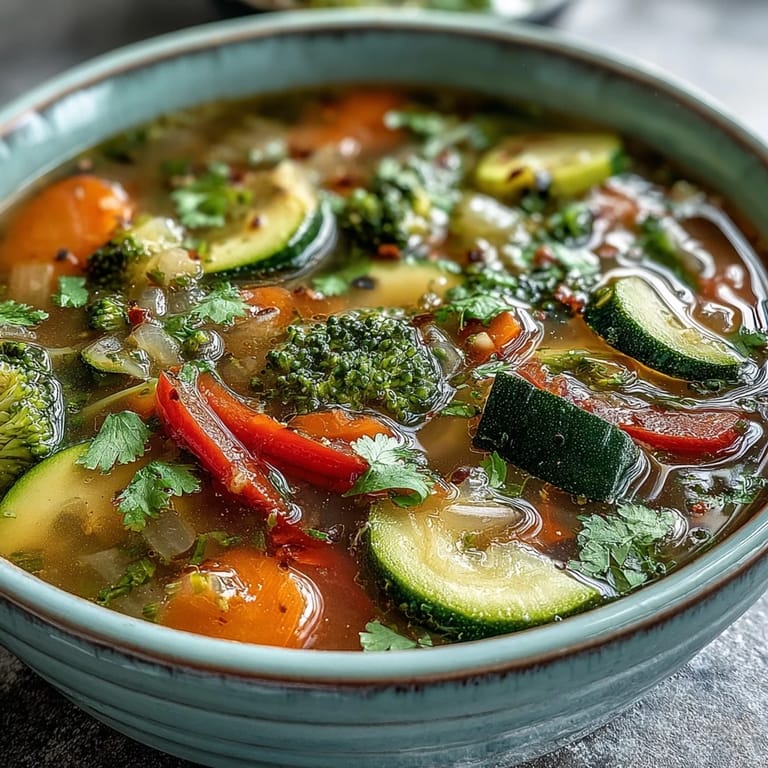
Save There's a moment when you're standing over a simmering pot, and the steam rises up and fogs your glasses, and you realize that this simple act of combining vegetables and heat is actually profound in its own quiet way. My daughter came into the kitchen once while I was making this, and instead of asking what was for dinner, she just sat at the counter and breathed in, not needing anything beyond that.
When to Make This Soup
Winter is the obvious answer, but honestly, this soup works any time you need something that feels nourishing without demanding much thought. I make it on Sundays when I want the kitchen to smell like home, on weeknights when I'm tired, and on days when someone I care about needs feeding. It's the kind of dish that doesn't judge you for eating it straight from the pot while standing at the counter.
The Flexibility Factor
One of my favorite things about this soup is that it's genuinely forgiving in a way that feels rare. You can swap almost any vegetable for another—snap peas instead of zucchini, spinach wilted in at the end, mushrooms for extra earthiness, whatever your crisper drawer is willing to surrender. I've made it with whatever was on sale, whatever my farmer's market vendor handed me, and even once with frozen broccoli when I wasn't paying attention to my shopping list.
Making It More Than Soup
This soup works beautifully on its own, but I've learned a few ways to stretch it into a more substantial meal without losing what makes it special. A bowl of rice noodles stirred in at the end creates something almost ramen-like, or a handful of cooked lentils turns it into something that could be lunch and dinner both. For the nights when I want protein without thinking too hard, I'll add cubed tofu or even leftover cooked chickpeas, and the ginger welcomes these additions without complaint.
- Crispy bread on the side is the minimum requirement—something to drag through the broth when the vegetables are gone.
- A drizzle of chili oil at the end transforms this from soothing to slightly spicy, if that's the mood you're in.
- Save any leftovers because this soup actually tastes better the next day, once everything has had time to get to know each other.
 Save
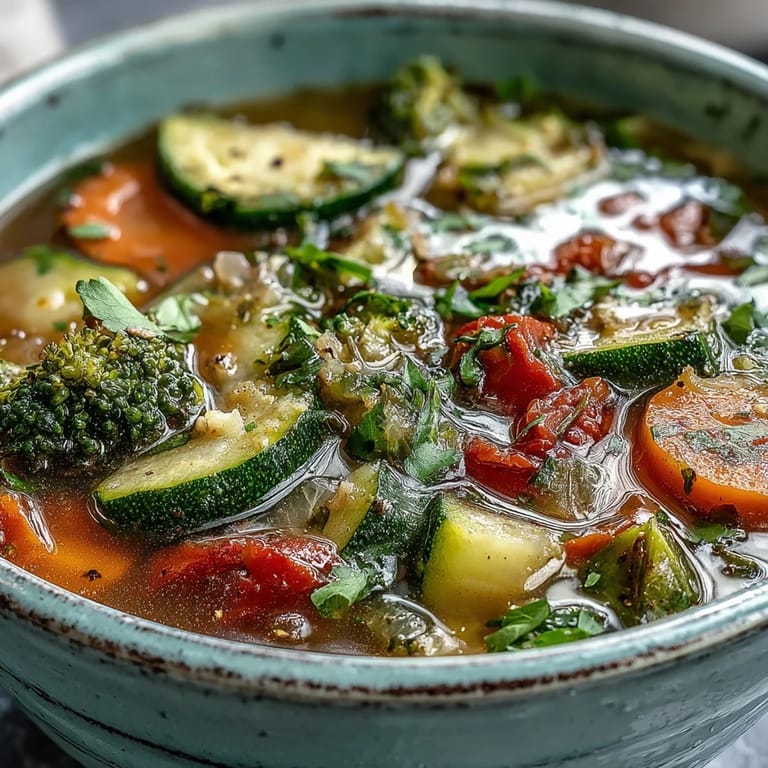
Save This soup has become one of those recipes I make without measuring anymore, just the way I learned it and then forgot to follow instructions. It's proof that sometimes the best meals come from paying attention to what you have and trusting that simple, honest cooking carries its own kind of magic.
Recipe FAQs
- → Can I use frozen vegetables instead of fresh?
Yes, frozen vegetables work well. Add them directly to the broth without thawing, and adjust cooking time as they may cook faster than fresh vegetables.
- → How do I store leftover ginger vegetable soup?
Store in an airtight container in the refrigerator for up to 4 days. Reheat gently on the stovetop or microwave. The soup can also be frozen for up to 3 months.
- → What can I substitute for fresh ginger?
You can use 1 teaspoon of ground ginger, though fresh ginger provides a brighter, more aromatic flavor. Adjust the amount to taste as ground ginger is more concentrated.
- → How can I make this soup more filling?
Add cooked rice, quinoa, or rice noodles to the soup. You can also include protein sources like tofu cubes, chickpeas, or cooked lentils for a heartier meal.
- → Can I blend this soup for a creamy texture?
Absolutely. Use an immersion blender or transfer to a regular blender to puree until smooth. For a creamier consistency, add a splash of coconut milk after blending.
- → Is this soup spicy?
The ginger provides warmth rather than heat. For a spicier version, add red chili flakes, fresh chilies, or a dash of hot sauce to your preference.