 Save
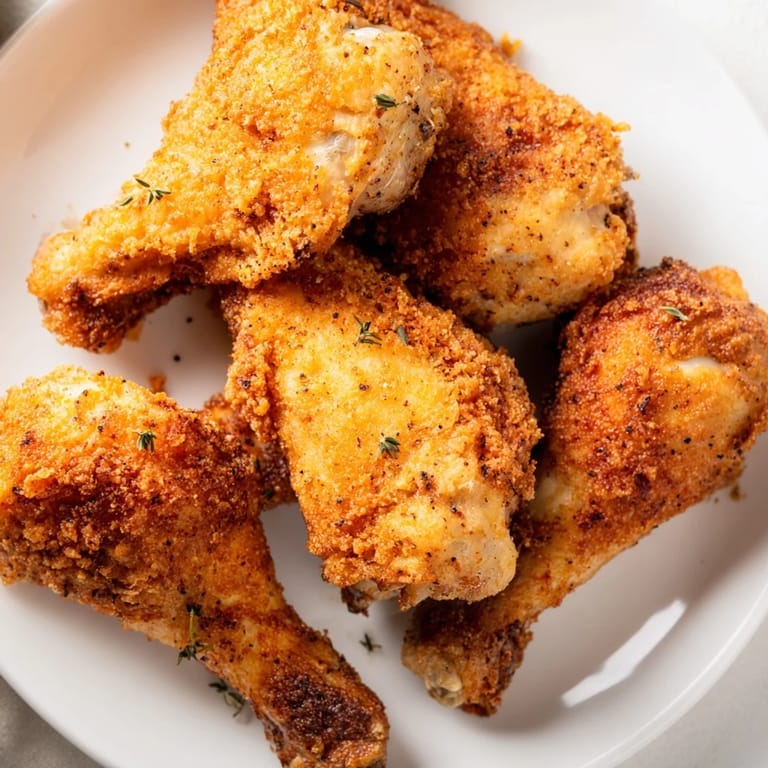
Save There's something about the smell of hot oil meeting seasoned chicken that takes me straight back to lazy Sunday afternoons at my aunt's house, where she'd stand over a massive pot with complete confidence, turning golden pieces with practiced ease. I was maybe twelve, fascinated by how she could tell just by sound when the chicken was done, never needing a thermometer. Years later, I finally figured out her secret: she'd been marinating that chicken since breakfast, letting the buttermilk work its quiet magic. That first bite I made myself, crispy outside and impossibly tender within, felt like I'd cracked some ancient code. Now it's the dish I turn to whenever I need to feed people something that feels both impressive and deeply comforting.
I made this for my partner's work friends last summer, and I remember standing in the kitchen listening to them actually pause between bites—no talking, just appreciative silence, which felt like the highest compliment. The living room smelled absolutely incredible, and someone asked for the recipe before they'd even finished eating. That's when I realized this wasn't just food; it was the thing that made people linger and want more.
Ingredients
- Chicken (1.2 kg, about 8 pieces): Skin-on pieces like drumsticks and thighs stay juicier than breast meat—the skin crisps beautifully and keeps everything underneath moist and forgiving.
- Buttermilk (240 ml): This is the secret weapon; the acidity tenderizes the chicken while adding subtle tangy flavor that you can't quite identify but definitely makes people ask for seconds.
- All-purpose flour (240 g): The foundation of your crust—don't skip the dredging step, it's what creates that satisfying crunch.
- Garlic powder, onion powder, dried thyme, smoked paprika (1 tsp each): These build layers of flavor that feel more sophisticated than just salt and pepper.
- Vegetable oil (1 liter): Use a neutral, high-heat oil—I learned the hard way that olive oil burns and makes everything taste bitter.
Tired of Takeout? 🥡
Get 10 meals you can make faster than delivery arrives. Seriously.
One email. No spam. Unsubscribe anytime.
Instructions
- Start the marinade:
- Whisk buttermilk with salt, pepper, paprika, and cayenne in a large bowl, then submerge your chicken pieces, turning them over so every surface gets coated. Cover and let it sit in the fridge for at least 2 hours—overnight is genuinely better, so plan accordingly.
- Mix your coating:
- In another bowl, combine flour with garlic powder, onion powder, thyme, smoked paprika, salt, and pepper. I like to break up any clumps with a fork so the coating is uniform.
- Dredge with intention:
- Pull each chicken piece from the buttermilk, let excess drip off, then roll it firmly in the flour mixture, pressing gently so the coating really adheres. This matters more than you'd think.
- Let it rest:
- Lay coated chicken on a wire rack and walk away for 10 minutes—this gives the coating a chance to set so it doesn't slide off in the hot oil.
- Heat your oil:
- Bring oil to exactly 175°C (350°F) in a deep fryer or heavy pot. Use a thermometer; this temperature is non-negotiable for getting that perfect golden color without burning.
- Fry in batches:
- Work with a few pieces at a time so the oil temperature stays consistent. Turn them occasionally and cook for 12 to 15 minutes until deep golden brown and the internal temperature reads 75°C (165°F).
- Finish strong:
- Transfer cooked chicken to a wire rack to drain, let it rest for 5 minutes so the juices redistribute, then serve while it's still warm and the crust is still snapping under your teeth.
 Save
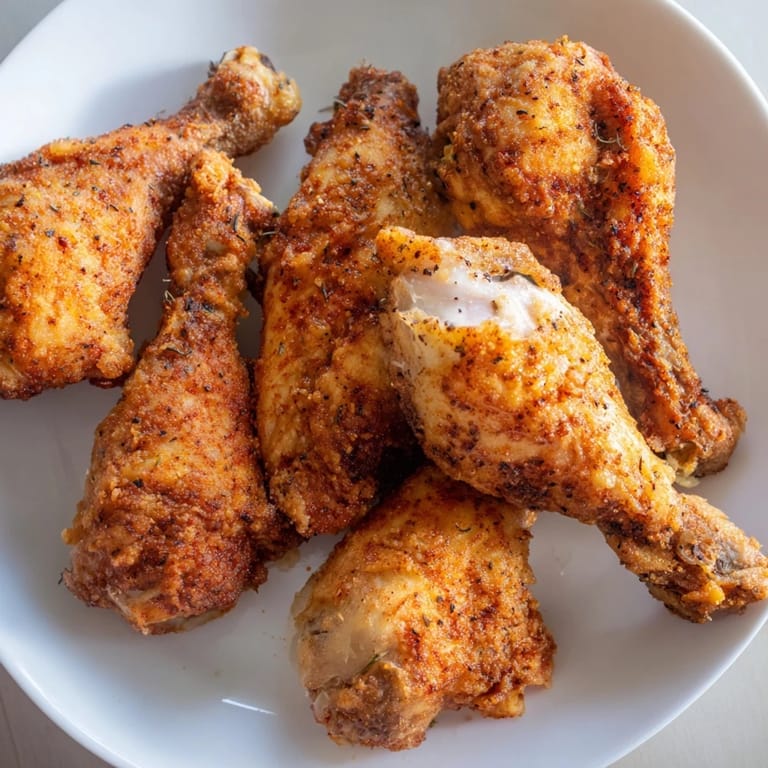
Save My friend's six-year-old once declared this chicken tasted like 'the best thing ever,' and she brought the bone to her mouth multiple times trying to get every last bit of crispy skin. Watching someone that young appreciate real texture and flavor like that was a moment I didn't expect from a simple recipe.
The Oil Temperature Secret
Temperature is genuinely everything here, and I learned this the painful way by trying to estimate. Too cool and the coating absorbs oil instead of crisping; too hot and the outside burns before the inside cooks through. A cheap meat thermometer is worth every penny—stick it in the oil before you start and check it occasionally as you're frying. The sound changes too: proper temperature gives you a lively, consistent sizzle, while too-cool oil sounds almost lazy and apologetic.
Serving and Pairing Ideas
This chicken is bold enough to stand alone but honestly shines when you give it something cool and tangy to play against. Creamy coleslaw cuts through the richness, buttered mashed potatoes catch all the crispy bits that fall off as you eat, and hot sauce brings a brightness that makes you want to eat more. I've also served it cold the next day straight from the fridge, which somehow works beautifully on a picnic or tossed into a sandwich.
Timing and Flexibility
The beauty of this recipe is that the marinade does most of the work while you're not even in the kitchen, so you can prep in the morning and fry in the evening. If you're using boneless chicken, shorten your frying time to about 10 minutes and watch carefully—they cook faster and dry out quickly. I've also learned that letting the fried chicken rest on a rack instead of paper towels keeps the bottom from getting soggy as steam escapes.
- Make the marinade the night before if you can; the flavors deepen overnight.
- Set up your dredging station with buttermilk on one side and flour on the other so you're not fumbling mid-cook.
- Keep a dish towel nearby for wiping your hands between pieces so you don't create a buttermilk-flour paste situation.
 Save
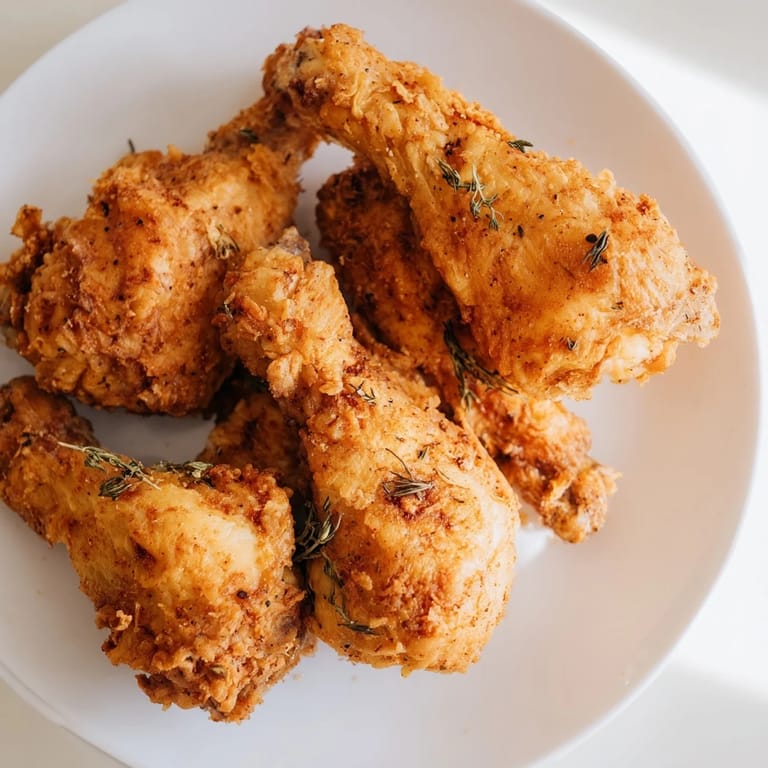
Save This chicken has a way of turning ordinary nights into something memorable, and it's honestly one of those recipes that gets better the more times you make it. Once you nail the fundamentals, it becomes something you can make without thinking, which is when cooking feels less like following instructions and more like second nature.