 Save
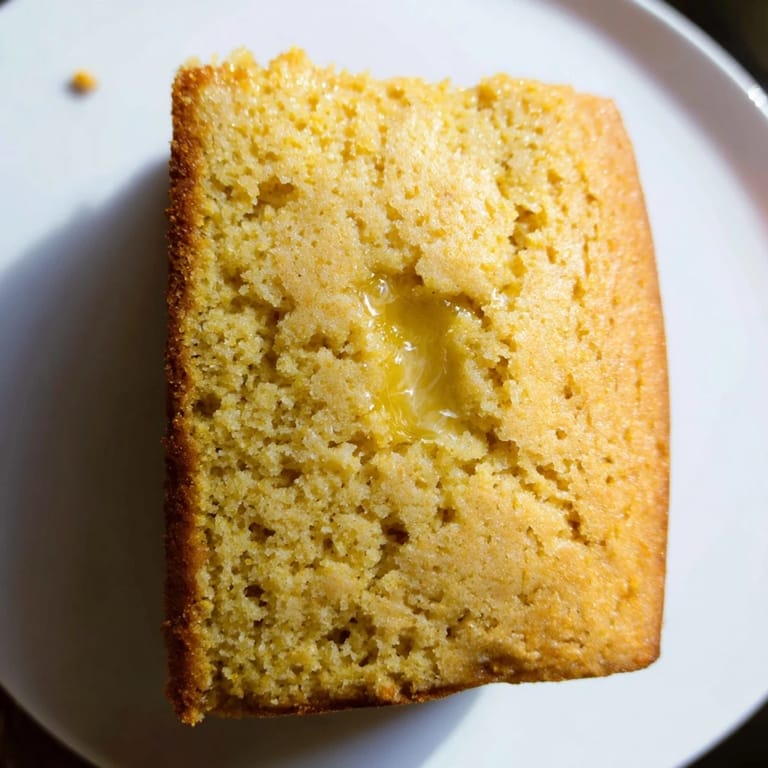
Save There's something about the smell of cornbread baking that pulls people into the kitchen without invitation. I learned this the hard way one Saturday afternoon when a neighbor followed the golden aroma through our open window and appeared at the back door grinning. That batch taught me cornbread isn't just a side dish—it's an edible welcome sign, especially when the crust catches those caramelized edges and the inside stays tender and moist.
I made this cornbread for a potluck once and watched a usually quiet coworker ask for seconds, then thirds. That's when I realized how cornbread carries memories—everyone connects it to something, whether it's Sunday dinners or summertime barbecues. The buttery warmth of it seemed to unlock stories.
Ingredients
- Yellow cornmeal (1 cup): This is your foundation, giving that distinctive corn flavor and slightly gritty texture that makes cornbread feel honest and wholesome.
- All-purpose flour (1 cup): Provides structure and helps bind everything together without making it dense or heavy.
- Granulated sugar (1/4 cup): A quarter cup is the sweet spot—enough to round out flavors without overwhelming the savory notes.
- Baking powder and baking soda: These two work together to create lift and that coveted tender crumb, so don't skip or reduce either one.
- Fine sea salt (3/4 teaspoon): Amplifies the corn's natural sweetness and brings everything into focus.
- Whole milk or buttermilk (1 cup): Buttermilk adds a subtle tang that deepens flavor, but regular milk works beautifully too.
- Eggs (2 large): They bind and enrich the batter, making every bite tender rather than crumbly.
- Melted butter and vegetable oil (1/4 cup each): Butter brings richness; oil keeps everything moist and tender, preventing that dry quick-bread texture.
- Honey (2 tablespoons, optional): A drizzle adds subtle complexity and extends that golden exterior.
Tired of Takeout? 🥡
Get 10 meals you can make faster than delivery arrives. Seriously.
One email. No spam. Unsubscribe anytime.
Instructions
- Get your pan ready:
- Preheat the oven to 400°F and generously grease your 8-inch square pan or cast-iron skillet with butter or nonstick spray. If you're using cast iron, this is your chance to build character—a well-seasoned skillet will give you that restaurant-quality crust.
- Mix the dry team:
- In a large bowl, whisk together cornmeal, flour, sugar, baking powder, baking soda, and salt. This aerates the flour and distributes the leavening agents evenly so every bite rises with equal enthusiasm.
- Combine the wet ingredients:
- In a separate bowl, whisk milk, eggs, melted butter, oil, and honey until fully blended. The key here is to keep the wet mixture cool enough that the butter doesn't scramble the eggs—room temperature melted butter is perfect.
- Bring them together gently:
- Pour the wet ingredients into the dry ones and stir with a spatula until just combined. This is not the time to show off your mixing skills—overmixing develops gluten and turns cornbread tough and crumbly. A few streaks of flour remaining are your friend.
- Into the oven:
- Pour the batter into your prepared pan and smooth the top lightly with a spatula. Bake for 20–25 minutes until the top is golden and a toothpick inserted in the center comes out clean or with just a few moist crumbs clinging to it.
- Rest and serve:
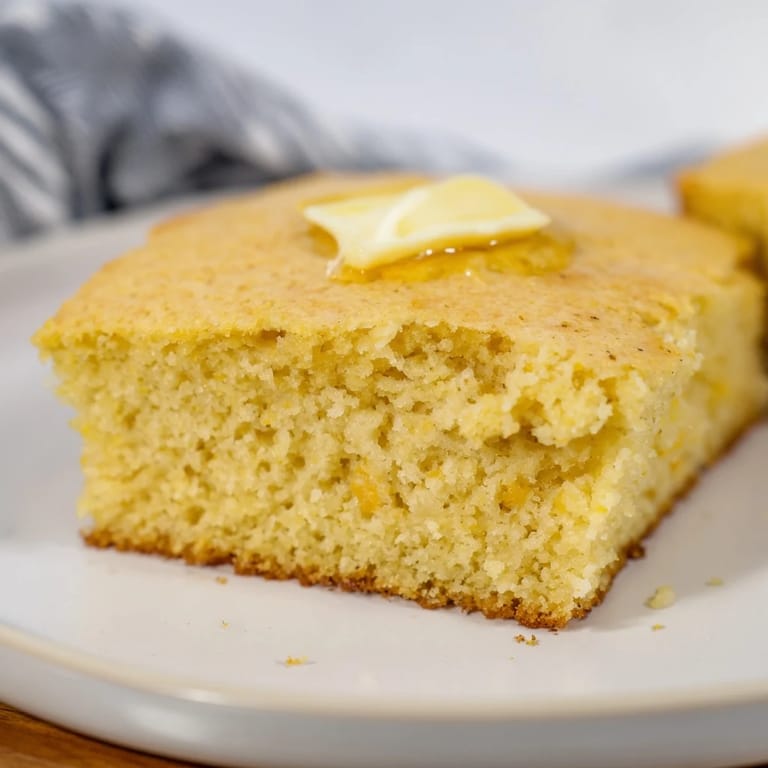
- Let it cool in the pan for about 10 minutes—this helps it set and makes slicing cleaner. Serve warm with honey butter, or alongside chili and cornbread makes sense of the world.
 Save
Save One winter, I brought a cast-iron skillet of cornbread to a friend's house for a soup night, and we ate the whole thing standing up in her kitchen, passing the pan back and forth and not talking much because we didn't need to. Food doesn't always need conversation to mean something.
Cast Iron vs. Regular Pan
A cast-iron skillet gives you something special—the corners brown darker and the crust develops a shatteringly crisp edge that's hard to replicate in a ceramic square pan. If you have cast iron, heat it in the oven while your batter rests so the oil or butter inside gets screaming hot by the time the batter hits it. That sizzle you hear is the beginning of something worth waiting for. A regular baking pan works perfectly fine and demands less fussing, but cast iron rewards you with texture.
Sweet vs. Savory
This base recipe skews slightly toward sweet cornbread—the kind that plays well with chili and barbecue. If you want to push it savory, fold in shredded cheddar cheese, chopped scallions, or diced jalapeño before baking, and reduce the sugar to 2 tablespoons. I've done both versions, and both vanish equally fast, so choose based on what you're serving alongside it.
Troubleshooting and Tweaks
If your cornbread turns out dense, blame the overmixing—remember that gentle hand. If it's too dry, next time add an extra tablespoon of oil or use buttermilk instead of regular milk for more moisture. For gluten-free cornbread, swap in a 1:1 gluten-free flour blend and proceed exactly as written; the cornmeal carries the flavor, so you won't feel the absence of wheat.
- Let cornbread cool completely before wrapping and storing so condensation doesn't make it soggy.
- Leftover cornbread keeps for 3 days in an airtight container and makes fantastic corn bread salad or crumbles beautifully into cornbread dressing.
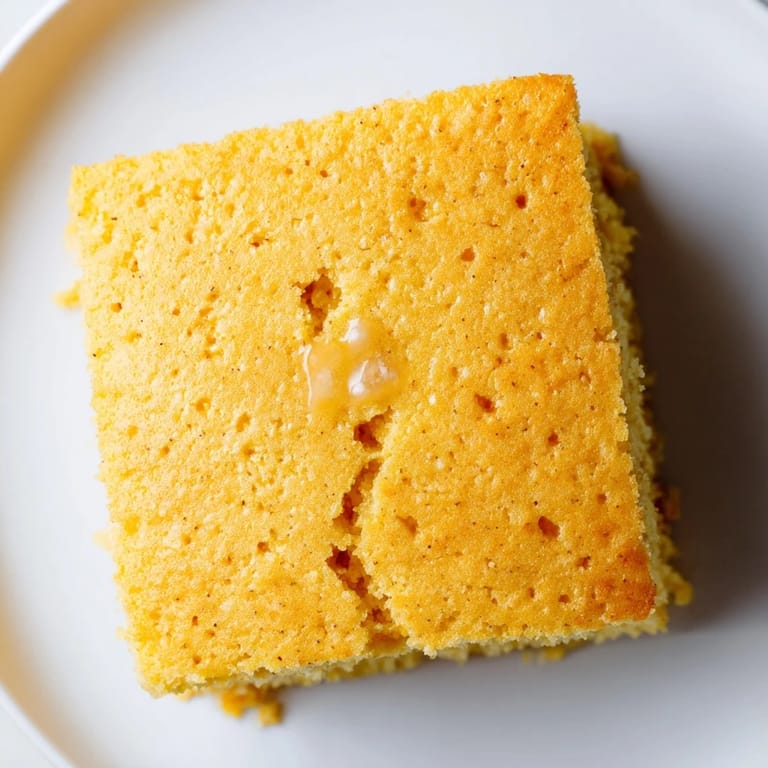
- If your cornbread cracks on top while baking, that's not a failure—those cracks let steam escape and often mean you're close to perfect.
 Save
Save Cornbread won't change your life, but it might change someone's afternoon. There's something about sharing warm bread that says I'm glad you're here.
Recipe FAQs
- → What type of cornmeal is recommended?
Use yellow cornmeal for a traditional flavor and texture, but fine or medium grind also works well.
- → Can I substitute buttermilk in this dish?
Yes, buttermilk adds a slight tang, but whole milk can be used for a milder taste.
- → How can I make a savory variation?
Add shredded cheddar cheese, chopped scallions, or diced jalapeños to the batter for extra flavor.
- → What baking tools are essential?
You’ll need mixing bowls, a whisk, spatula, and an 8-inch square pan or cast-iron skillet for best results.
- → Is there a gluten-free option?
Substitute the all-purpose flour with a 1:1 gluten-free flour blend to create a gluten-free version.
- → How do I know when it's fully baked?
The top should be golden and a toothpick inserted in the center should come out clean.