 Save
Save There's something about the smell of candied oranges simmering on the stove that makes you forget what day it is. I discovered this cake on a gray afternoon while flipping through a worn Italian cookbook at a farmers market, and something about the combination of olive oil, citrus, and home-candied fruit felt like a small act of defiance against the weather outside. The first time I made it, I was nervous about the technique, but the process turned out to be meditative rather than fussy. Now it's the dessert I reach for when I want to impress without stressing, or when I simply need the kitchen to smell like something hopeful.
I made this cake for my neighbor who had just moved in with about three boxes and a lot of questions, and watching her face when she bit into a slice with the candied orange was worth every minute of prep. She came back the next week asking for the recipe, and we ended up sitting in her half-empty kitchen drinking Earl Grey and talking about what we missed about our old places. Food has this quiet way of opening doors, doesn't it?
Ingredients
- Medium oranges (2): Thin slices are essential here because they need to turn translucent and tender without falling apart, so take your time with the knife and keep them even.
- Granulated sugar (1 cup for candying): This dissolves into the orange slices, creating a glossy syrup that clings to every surface and makes them taste like intensified citrus.
- Water (1 cup): Just enough to gently poach the oranges and pull out their natural sweetness without cooking them aggressively.
- All-purpose flour (2 cups): The foundation of your crumb, measured by weight for consistency unless you're comfortable with the spoon-and-level method.
- Baking powder and baking soda (1 1/2 teaspoons and 1/2 teaspoon): Together they create lift without making the cake feel airy or thin, which would lose that lovely density olive oil brings.
- Salt (1/2 teaspoon): Don't skip this because salt highlights citrus and balances sweetness in ways you won't consciously notice but will definitely taste.
- Granulated sugar for cake (1 cup): Combined with orange zest, this becomes an aromatic base that fills your mixing bowl with brightness.
- Orange zest (from 1 orange): The oils in zest are where the real citrus flavor lives, so use a microplane and make sure you're only getting the bright part, not the bitter white pith underneath.
- Large eggs (3, room temperature): Warm eggs incorporate into the batter more smoothly and create a silkier crumb than cold ones pulled straight from the fridge.
- Extra virgin olive oil (3/4 cup): This is your secret to keeping the cake moist and tender, so use something you actually enjoy tasting because it defines the cake's personality.
- Whole milk (3/4 cup, room temperature): The fat in whole milk matters, and tempering it prevents shocking the batter with cold liquid.
- Vanilla extract (1 teaspoon): A small anchor that keeps citrus from feeling one-dimensional without announcing itself loudly.
- Powdered sugar (1 cup, sifted): Sifting prevents lumps in your glaze, which is the difference between silky and grainy finish.
- Fresh orange juice and lemon juice (2–3 tablespoons and 1 tablespoon): The lemon sharpens orange juice's sweetness and creates a glaze that tastes bright rather than cloying.
Tired of Takeout? 🥡
Get 10 meals you can make faster than delivery arrives. Seriously.
One email. No spam. Unsubscribe anytime.
Instructions
- Create your candied oranges first:
- In a large skillet, combine sugar and water over medium heat, stirring until the sugar dissolves completely and the liquid becomes clear. Add your orange slices in a single layer and let them simmer gently for 20 to 25 minutes, flipping occasionally, until they turn translucent and the edges become tender but not mushy. The transformation happens quietly, so resist the urge to rush it.
- Cool and prepare your pan:
- Transfer the candied orange slices to a parchment-lined tray and let them cool while you preheat the oven to 350°F and grease a 9-inch round pan with parchment paper lining the bottom and sides. This step feels like setup, but it saves you from scrambling later.
- Build your dry mixture:
- Whisk together flour, baking powder, baking soda, and salt in a medium bowl, making sure everything is evenly distributed so your cake rises uniformly. Set it aside and breathe in that fresh flour smell because it's about to change into something entirely different.
- Create your aromatic sugar base:
- In a large mixing bowl, combine sugar and orange zest and rub them together with your fingers until the zest releases its oils and the sugar becomes fragrant and slightly damp. This is worth doing by hand because you'll feel the moment the oils release.
- Build your wet ingredients:
- Whisk the eggs into the sugar mixture until the combination becomes pale, thick, and ribbony, which usually takes about 2 to 3 minutes of whisking. Then slowly stream in the olive oil while whisking constantly so it emulsifies into the eggs rather than pooling on top.
- Fold in your wet and dry alternately:
- Add half the dry ingredients to the wet mixture, followed by half the milk and vanilla, mixing gently until just combined, then repeat with the remaining dry ingredients and milk. The key is stopping as soon as you don't see flour streaks anymore because overmixing tightens the crumb.
- Assemble and bake:
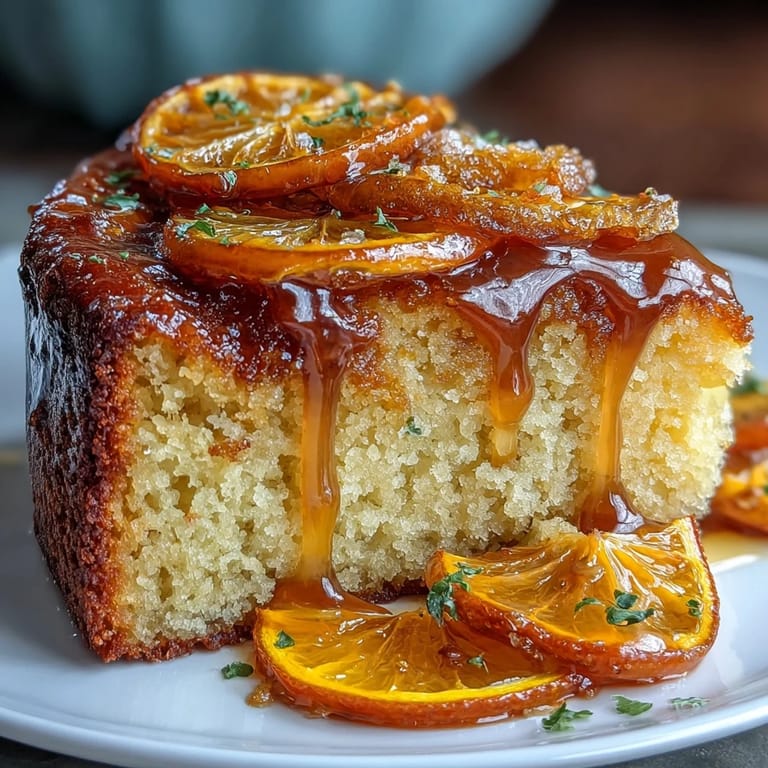
- Arrange your candied orange slices on the bottom of the prepared pan in whatever pattern makes you happy, pour the batter over them carefully, and smooth the top gently. Bake for 45 to 50 minutes until a toothpick inserted in the center comes out clean or with just a few moist crumbs.
- Cool with patience:
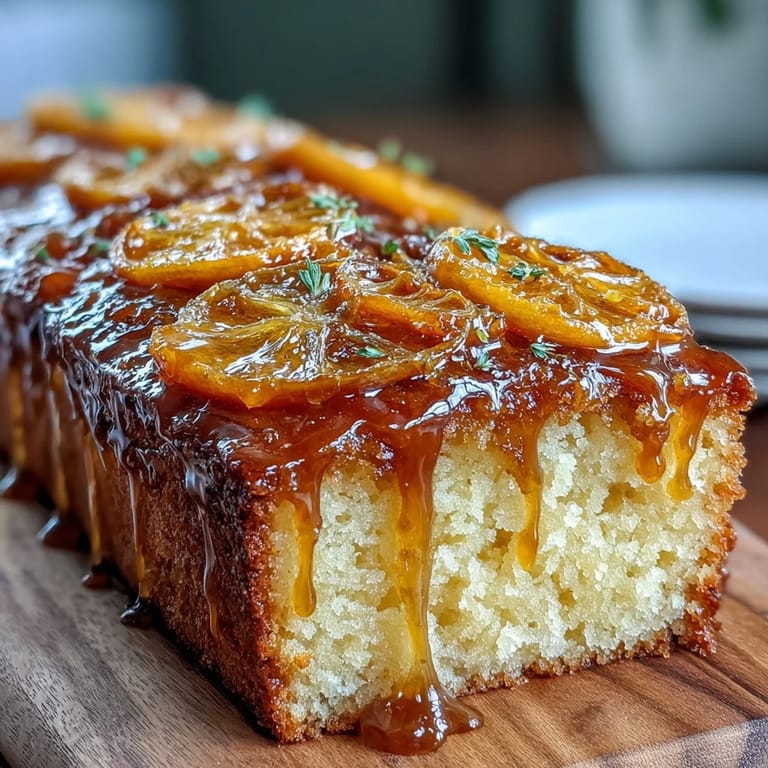
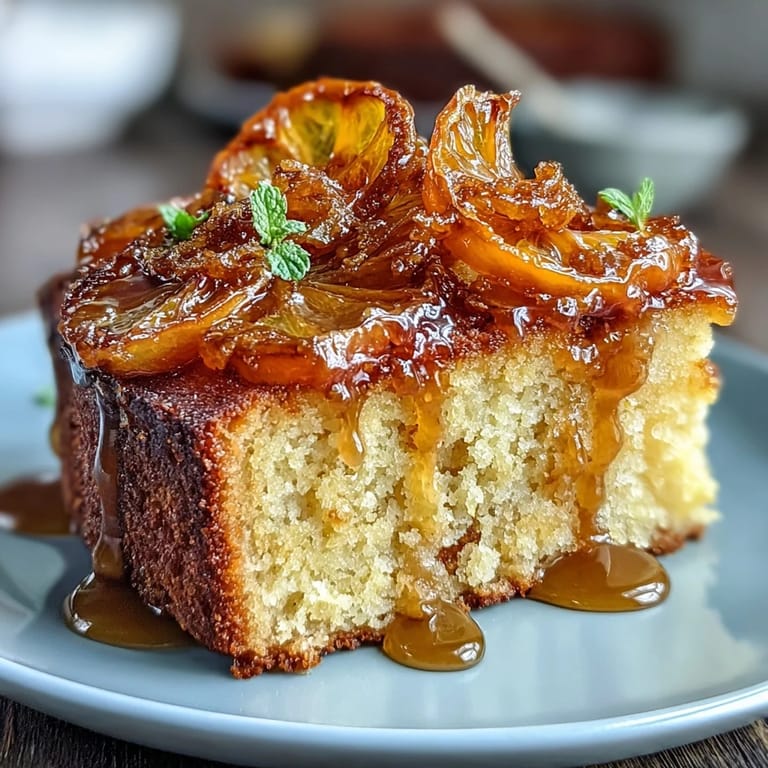
- Let the cake rest in the pan for 15 minutes so it sets enough to flip, then invert it onto a wire rack to cool completely before glazing. The candied oranges should now be on top, creating a beautiful glossy surface.
- Make and apply your glaze:
- Whisk together powdered sugar, orange juice, and lemon juice until smooth and pourable, adjusting the consistency with a touch more juice if needed. Drizzle it over the cooled cake and scatter reserved candied oranges on top if you saved any, though honestly, most of them probably made their way into your mouth by now.
 Save
Save There was a moment while I was cooling this cake when my partner came into the kitchen, leaned over the wire rack, and just stood there breathing in the smell without saying anything. Sometimes a recipe becomes about more than flavor or technique, and it becomes about creating a reason for people to pause and notice something small and good happening right in front of them.
The Story Behind Olive Oil Cakes
Olive oil cakes come from Mediterranean kitchens where butter was expensive or less common, and cooks learned to use what they had to create something tender and lasting. Unlike butter cakes that go stale quickly, olive oil cakes stay moist for days because the oil coats the flour particles differently, preventing them from drying out. This cake carries that tradition forward while adding the luxury of candied fruit, turning everyday ingredients into something that feels indulgent without requiring special technique.
Why the Order of Ingredients Matters Here
The sequence of adding ingredients feels random until you realize each step builds on the last one. Creaming sugar with zest first develops flavor at the molecular level, then whisking eggs creates the structure to suspend oil, then alternating wet and dry prevents the gluten from overdeveloping and tightening the crumb. Following the order isn't about tradition; it's about chemistry happening in real time, and when you understand why each step exists, you can troubleshoot if something feels wrong.
Variations and Personal Touches
This cake is forgiving enough to bend toward what you have on hand or what speaks to your mood that day. Blood oranges create a dramatic pink-tinged version that looks almost shocking in its beauty, while substituting Greek yogurt for milk makes the crumb denser and tangier, which some people prefer for pairing with lighter tea. You could toast some olive oil in a pan until it smells nutty before adding it to the batter, or add a whisper of cardamom if you want to lean into spice, or skip the glaze entirely and dust with powdered sugar instead.
- Try Earl Grey or Moscato d'Asti for pairing if you're serving this to people who appreciate flavor conversations.
- Keep a reserve of candied oranges for decorating the top, or they'll disappear while you're not looking like they did in my kitchen.
- This cake tastes even better the next day once the flavors have settled together into something unified and complete.
 Save
Save This cake lives in that beautiful middle space where it's special enough to mean something but simple enough that you'll actually make it. Share it with someone who needs a small reason to smile, and you'll understand why I keep coming back to it.
Recipe FAQs
- → How are the candied oranges prepared?
Orange slices are simmered gently in a sugar and water syrup until translucent and tender, then cooled before use in the cake.
- → What gives the cake its moist texture?
The combination of extra virgin olive oil and whole milk creates a tender, moist crumb complemented by the orange zest.
- → Can other citrus varieties be used for the glaze?
Yes, substituting or adding juices like blood orange or grapefruit can create unique glaze flavors.
- → How should leftover cake be stored?
Keep cake in an airtight container at room temperature for up to three days to maintain freshness.
- → What tools are needed for baking?
A 9-inch round cake pan, mixing bowls, whisk, skillet for candying oranges, parchment paper, and a wire rack are essential.
- → Can milk be replaced with other ingredients?
Greek yogurt is a great substitute to add a tangier crumb and maintain moisture.