 Save
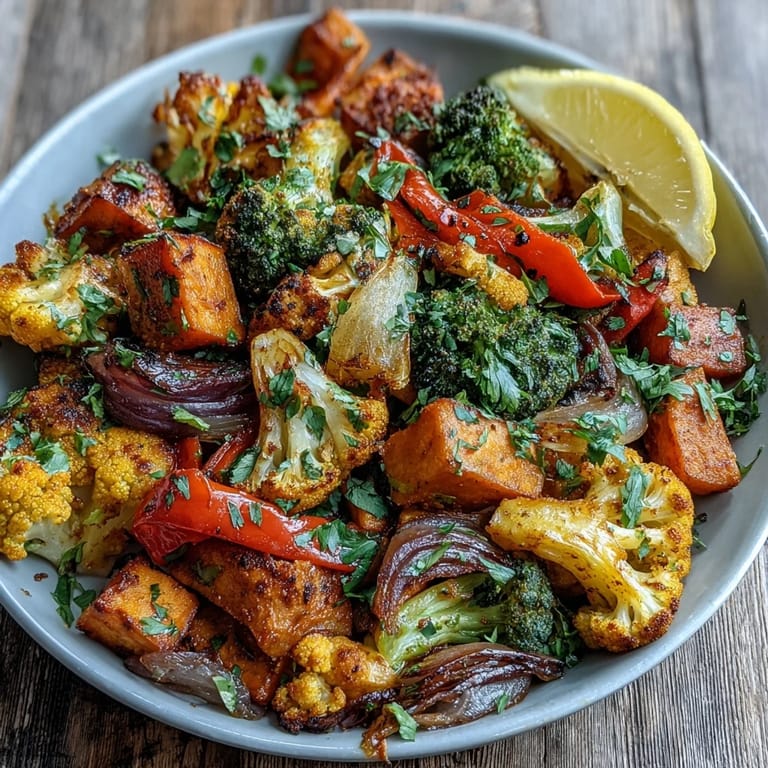
Save There's something quietly magical about the moment turmeric hits a hot pan—that golden cloud of warmth that fills your kitchen feels like medicine and comfort at once. My friend Maya brought this roasted vegetable dish to a potluck on a crisp autumn evening, and I watched people return to the table again and again, drawn back not just by hunger but by something nourishing that went deeper than flavor. She mentioned later that she'd started making it when her mom was recovering from surgery, needing food that felt both healing and hopeful. Now whenever I roast vegetables with turmeric and those warming spices, I'm reminded that sometimes the simplest dishes carry the biggest heart.
I made this for my partner during a stretch when we were both feeling run down, and something shifted in that simple act of roasting vegetables with intention. We sat at the kitchen table while they cooked, talking about nothing important, and when those first golden pieces came out of the oven, we ate them straight off the pan—still steaming, tossed with lemon—like they were the best thing we'd tasted in weeks. Maybe they were, or maybe it was just the right moment for something warm and thoughtfully made.
Ingredients
- Cauliflower and broccoli florets: These two create a beautiful contrast in texture when roasted, with the broccoli's edges turning crispy and the cauliflower becoming almost creamy inside.
- Sweet potato, peeled and cubed: The natural sweetness plays perfectly against the earthy turmeric and adds a slight caramelization during roasting.
- Carrots, sliced: Thin slices roast more evenly than thick chunks, though I've learned to make them a bit thicker than you'd think to prevent them from drying out.
- Red bell pepper and red onion: The pepper adds brightness and sweetness while the onion caramelizes into something almost jammy and complex.
- Extra-virgin olive oil: Use the good stuff here since it's one of the main carriers of flavor and will also help your vegetables get those golden, crispy edges.
- Ground turmeric: The star player that gives this dish its warmth and golden color—don't skip it or substitute unless you have a really compelling reason.
- Cumin, coriander, and smoked paprika: These three work together to deepen the flavor profile and add layers that keep your palate interested with every bite.
- Sea salt and black pepper: Essential for bringing everything into focus and making all the spices sing rather than fade into the background.
- Lemon juice and fresh cilantro or parsley: These finishing touches brighten the dish and cut through the richness with a fresh, herbal note that feels like the perfect ending.
Tired of Takeout? 🥡
Get 10 meals you can make faster than delivery arrives. Seriously.
One email. No spam. Unsubscribe anytime.
Instructions
- Get your oven ready:
- Preheat to 425°F and line a baking sheet with parchment paper so you're not scrambling while holding hot vegetables. This temperature is the sweet spot where vegetables get tender inside and develop those caramelized edges that make this dish special.
- Prepare and combine your vegetables:
- Cut everything into roughly similar-sized pieces so they cook evenly—this is worth taking a moment to do right. Toss them all together in a large bowl so you have room to work and can see what you're dealing with.
- Make your golden spice mixture:
- Whisk together the olive oil and all spices in a small bowl before combining, which helps them distribute evenly rather than clumping up. This small step makes a real difference in whether every vegetable piece tastes balanced or if some bites are spice-heavy and others are bland.
- Coat everything thoroughly:
- Pour the spice mixture over your vegetables and toss with your hands or two wooden spoons—really get in there and make sure every piece gets coated. This is where the magic starts to happen, even though they're still raw.
- Spread and roast:
- Arrange the vegetables in a single layer on your baking sheet, then roast for 25 to 30 minutes, stirring halfway through so they cook evenly and brown on multiple sides. You'll know they're done when the edges are golden and slightly crispy and a fork slides through the sweet potato easily.
- Finish with brightness:
- Once they come out of the oven, drizzle with fresh lemon juice and sprinkle with cilantro or parsley if you're using it. This final step wakes everything up and adds a fresh contrast to the warm spices.
 Save
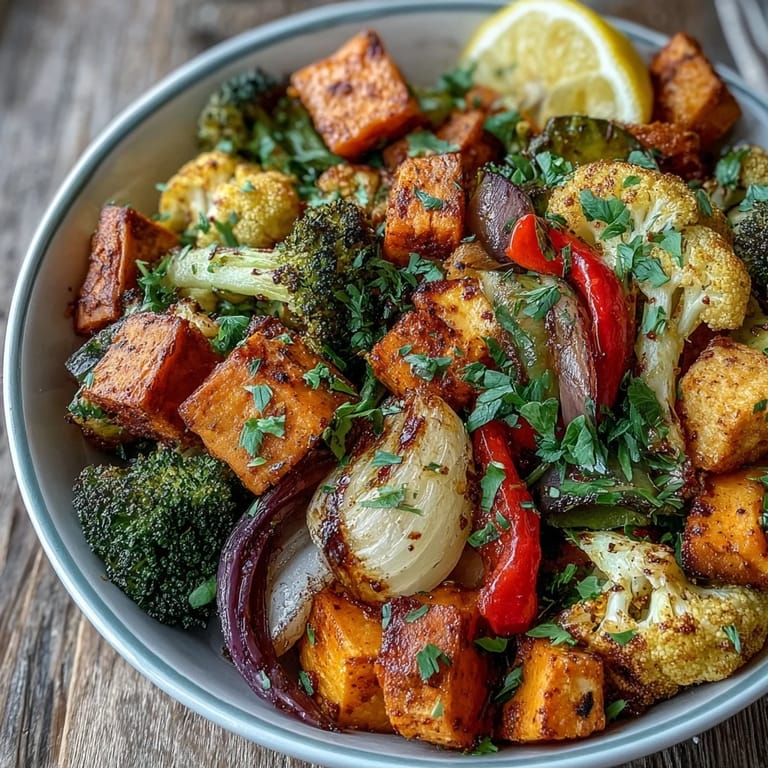
Save There's a moment near the end of roasting when your kitchen smells completely transformed, when that turmeric has warmed and deepened and somehow made everything feel like it's worth slowing down for. I've noticed that eating these vegetables straight from the sheet, still warm, makes a difference—it's less about nutrition and more about the simple pleasure of something made with care tasting exactly like what it promised.
Why Turmeric Matters Here
Turmeric gets a lot of wellness hype, but in this dish it's really just doing its job—adding earthiness, a subtle bitterness that balances the sweet potatoes, and that gorgeous golden color that makes people want to eat something. The cumin and coriander underneath amplify it without stealing the show, and the smoked paprika adds a depth that keeps things interesting. When you taste this finished dish, you're tasting how these spices layer and support each other, not a health supplement masquerading as dinner.
Building Your Perfect Roast
The vegetables I've listed here are just a starting point based on what works well together and what's usually available, but your roast can be completely different depending on what's in season or what you actually enjoy eating. I've had great success swapping in Brussels sprouts, diced zucchini, or butternut squash, and I've seen people add chickpeas to the pan for extra protein and substance. The spice blend stays the same, but your vegetable combination can shift with the seasons or your mood, which is part of what makes this feel flexible and friendly rather than rigid.
Serving and Enjoying
These vegetables are excellent as a simple side dish next to grain bowls, but they're also good enough to be the main event if you pair them with quinoa, brown rice, or even a spoonful of creamy tahini sauce. I've eaten the leftovers cold straight from the container the next day, and they have a completely different character—less bright, more grounded—which is its own kind of delicious. My favorite way to serve them hot is with a generous dollop of non-dairy yogurt and maybe an extra squeeze of fresh lime, which creates this cool-warm contrast that feels luxurious and comforting at the same time.
- Cold leftovers work beautifully in salads or grain bowls the next day, so don't hesitate to make extra.
- A dollop of non-dairy yogurt or a drizzle of tahini sauce transforms this from side dish to something more substantial and satisfying.
- Fresh lime juice can replace lemon if that's what you have, and it adds a slightly different brightness that works just as well.
 Save
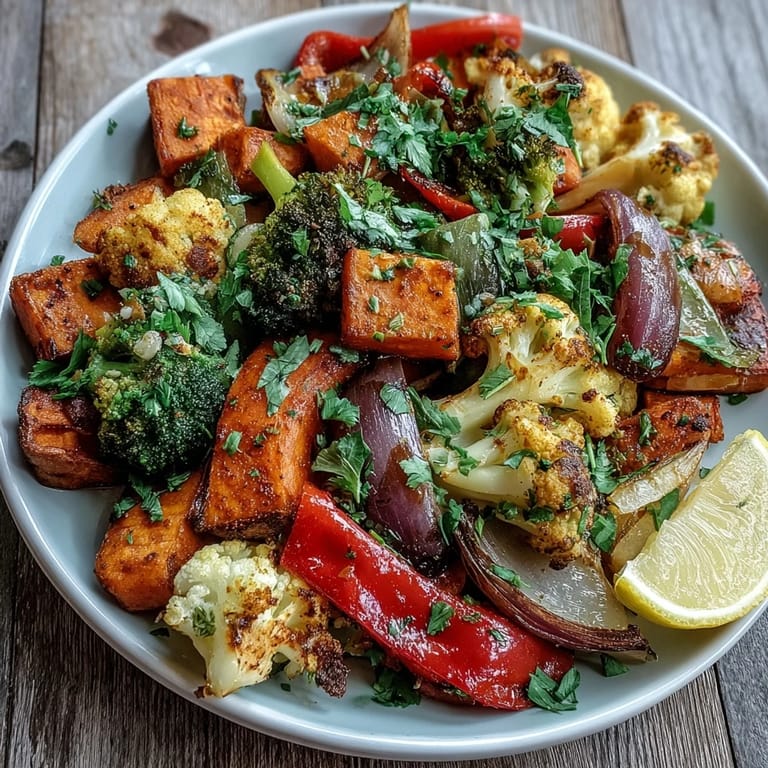
Save This dish has become one of those recipes I make without thinking, not because it's complicated but because it works and feels good every single time. There's something grounding about roasting vegetables with turmeric and warming spices—it's the kind of cooking that nourishes more than just your body.
Recipe FAQs
- → What vegetables work best for turmeric roasting?
Root vegetables like sweet potatoes and carrots caramelize beautifully alongside cruciferous options such as cauliflower and broccoli. The sturdy texture holds up well to high roasting temperatures while absorbing the spice blend.
- → How do I prevent vegetables from becoming soggy?
Spread vegetables in a single layer without overcrowding the baking sheet. This allows proper air circulation for even roasting. Avoid using excessive oil, and roast at 425°F for optimal crisping.
- → Can I prepare these vegetables ahead of time?
Yes, chop and coat the vegetables with spices up to 24 hours in advance. Store in an airtight container in the refrigerator, then roast when ready to serve for the best texture and flavor.
- → Why add black pepper to turmeric vegetables?
Black pepper contains piperine, which significantly enhances the absorption of curcumin—the active compound in turmeric. This simple addition boosts the anti-inflammatory benefits while adding subtle heat.
- → What pairs well with these roasted vegetables?
Serve over quinoa, brown rice, or farro for a complete meal. They also complement grilled proteins, work beautifully in grain bowls, or can be folded into warm salads with leafy greens.