 Save
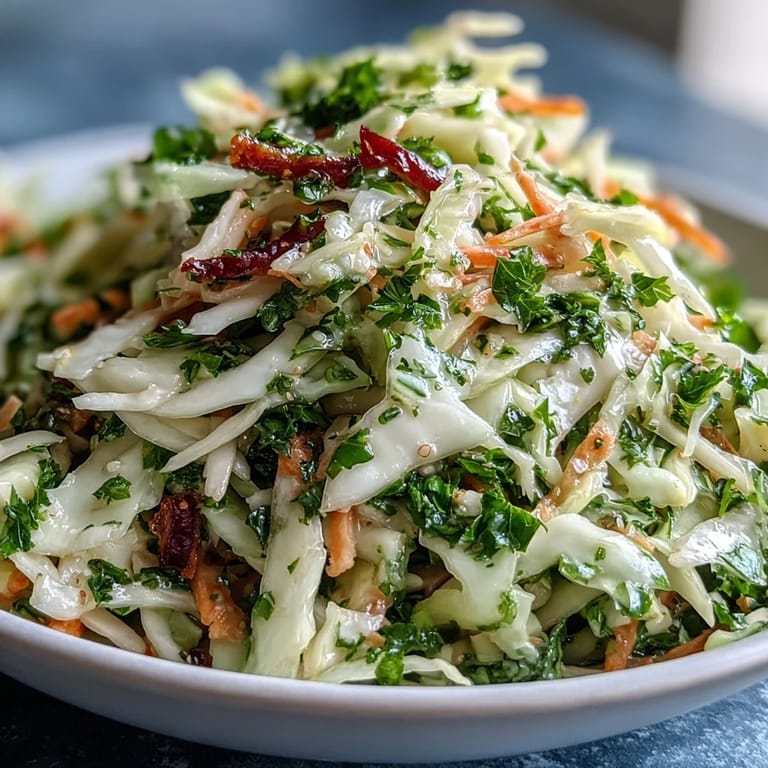
Save My neighbor brought over a jar of homemade sauerkraut last summer, and I wasn't sure what to do with it beyond the obvious sausage pairing. That evening, I found myself tossing it with whatever fresh vegetables were lurking in my crisper drawer, drizzling some olive oil and vinegar over it, and something clicked—the tangy fermented notes suddenly made sense alongside crisp cabbage and sweet carrot. It became my go-to side dish, the kind you find yourself making twice a week because it's so simple and somehow tastes better each time.
I made this for a potluck once thinking nobody would touch it, but it disappeared before the main course finished cooking. A friend asked for the recipe while wiping her plate clean, and I realized sauerkraut slaw isn't some acquired taste—it's actually the opposite, a bright jolt of flavor that wakes everything else up on the plate.
Ingredients
- Sauerkraut, drained and lightly squeezed (1 ½ cups): This is your flavor anchor—buy from the refrigerated section if you can, since the living cultures matter more than you'd think.
- Green cabbage, finely shredded (1 cup): Fresh raw cabbage balances the fermented intensity and adds a different kind of crunch.
- Carrot, grated (1 medium): A touch of natural sweetness creeps in here, softening the vinegar's edges.
- Red bell pepper, thinly sliced (½): The color is obvious, but the sweetness is what you're really after.
- Green onions, thinly sliced (2): A whisper of onion brightness that doesn't overpower.
- Fresh parsley, chopped (2 tablespoons): Never skip this—it lifts everything with a grassy freshness.
- Extra-virgin olive oil (2 tablespoons): Quality matters here since the dressing is so minimal.
- Apple cider vinegar (1 tablespoon): The acidity plays beautifully with the sauerkraut's tang.
- Dijon mustard (1 teaspoon): Just enough to add depth and a gentle heat without screaming about it.
- Maple syrup or honey (½ teaspoon): A tiny touch of sweetness that rounds out the sharp notes.
- Ground black pepper and salt: Taste as you go—you control the final flavor.
Tired of Takeout? 🥡
Get 10 meals you can make faster than delivery arrives. Seriously.
One email. No spam. Unsubscribe anytime.
Instructions
- Gather and prep everything:
- Drain your sauerkraut and give it a gentle squeeze to remove excess liquid, then lay out all your vegetables. The smell alone will tell you this is going to be good.
- Build your vegetable base:
- Toss the sauerkraut, shredded cabbage, grated carrot, bell pepper slices, green onions, and parsley into your large bowl—don't overthink it, just get everything combined.
- Whisk your dressing:
- In a small bowl, whisk the olive oil, apple cider vinegar, Dijon mustard, maple syrup, pepper, and a pinch of salt together until it's smooth and emulsified. Taste it straight from the whisk—it should taste bright and slightly sweet.
- Dress and toss:
- Pour that dressing over the vegetables and toss everything until every strand of cabbage has a light coating. You'll hear the crunch intensify as you work.
- Let it rest and taste:
- Give it 10 minutes to sit so the flavors can get to know each other, then taste before serving. Adjust salt and pepper if it needs a nudge.
 Save
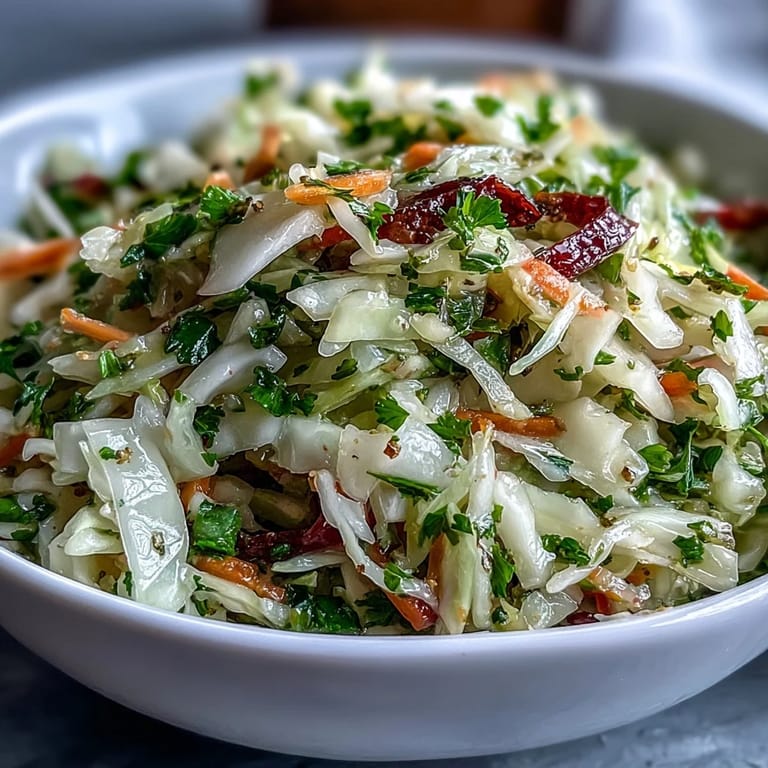
Save The best moment with this slaw was watching my partner reach for seconds without asking what was in it. Food that makes people curious is food that's doing something right, and this one always does.
The Secret Behind the Crunch
Sauerkraut already brings a firm texture, but layering it with fresh raw cabbage creates this surprising interplay of soft and snappy that changes everything. The longer the slaw sits, the more the textures meld, so eat it immediately for maximum crunch or let it hang out in the fridge if you prefer everything a touch more tender.
Why Probiotics Matter Here
I used to think sauerkraut was just pickled cabbage, but learning the difference changed how I approach fermented foods. The live cultures in real sauerkraut survive the fridge and actually benefit your digestion, so buying from the refrigerated section and using it raw in this slaw means you're getting the full benefit instead of cooking it away.
How to Make It Your Own
The beauty of this slaw is that it's forgiving and adaptable to whatever you have on hand or whatever you're craving that day. Fennel adds an anise note, radishes punch up the heat, and seeds scattered on top turn it into something more substantial. Keep these quick additions in your back pocket:
- Thinly sliced radishes or fennel for extra crunch and a sharper bite.
- Toasted sunflower or pumpkin seeds for nutty depth and texture.
- A pinch of caraway seeds if you want to lean into that German flavor profile.
 Save
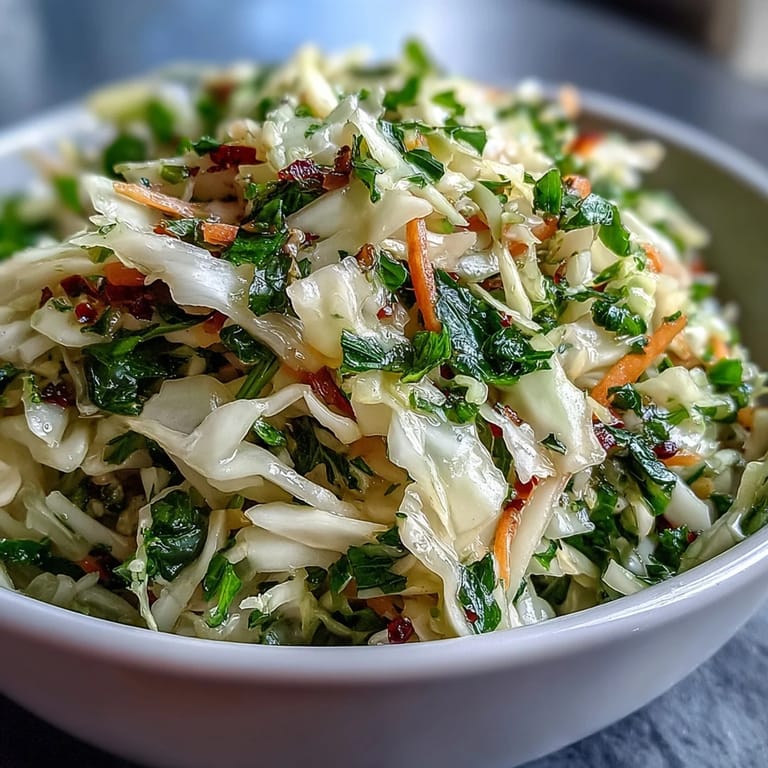
Save This slaw taught me that simple recipes with good ingredients don't need fussing around to shine. Make it once, and you'll find yourself reaching for it again and again.
Recipe FAQs
- → Can I make this ahead of time?
Yes, this slaw actually improves after a few hours in the refrigerator. The vegetables soften slightly and the flavors meld together beautifully. It will keep well for up to 3-4 days when stored in an airtight container in the refrigerator.
- → Is this suitable for meal prep?
Absolutely. The slaw maintains its texture well and the fermented nature of sauerkraut helps preserve freshness. Portion into individual containers for easy grab-and-go sides throughout the week.
- → What can I substitute for the maple syrup?
Honey works equally well for those who eat it, or you can use a pinch of coconut sugar, agave nectar, or omit the sweetener entirely if you prefer a more tart profile.
- → Can I use different vegetables?
Certainly. Thinly sliced radishes, fennel, cucumber, or jicama would all add wonderful crunch and flavor. You can also swap red cabbage for green for more color variation.
- → What pairs well with this slaw?
This tangy slaw complements rich, savory dishes beautifully. Try it alongside grilled bratwurst, roasted pork, baked fish, or as a topping for hearty sandwiches and burgers. It also balances well with potato salads or grain bowls.
- → Do I need to rinse the sauerkraut?
Rinsing is optional and depends on your taste preference. Rinsing removes some of the tang and salt, while leaving it unwashed provides a more pronounced fermented flavor. Drain and squeeze gently either way to remove excess liquid.