 Save
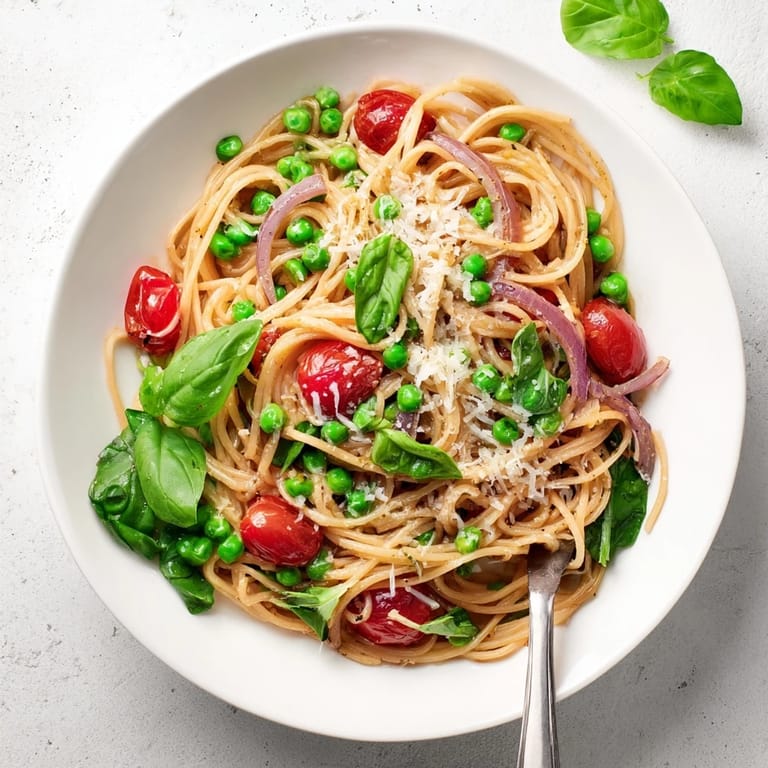
Save The first time I made this one-pot pasta, I was skeptical about cooking everything together. I had always believed pasta needed its own pot of boiling water, separate from everything else. But one rainy Tuesday evening, when I had zero motivation for a sink full of dishes, I gave it a try. The result changed how I think about weeknight cooking forever.
Last spring, my sister dropped by unexpectedly while I had this bubbling away on the stove. She kept asking what smelled so incredible, genuinely surprised when I told her it was just pasta and vegetables. We ended up eating standing up in the kitchen, scraping the pot clean while catching up about life. Sometimes the simplest meals create the best moments.
Ingredients
- 350 g (12 oz) dried spaghetti: The starch from this pasta is what creates that silky, restaurant quality sauce as it cooks in the broth
- 150 g (1 cup) frozen or fresh peas: They add pops of sweetness that balance the savory elements and turn the dish a gorgeous vibrant green
- 100 g (3.5 oz) baby spinach: This wilts down beautifully, adding nutrition without any bitter flavor that spinach sometimes has when overcooked
- 200 g (7 oz) cherry tomatoes, halved: They burst during cooking, releasing their juices into the broth and creating little pockets of concentrated flavor
- 2 cloves garlic, thinly sliced: Slicing instead of mincing gives you milder, sweeter garlic flavor that infuses the oil before everything else goes in
- 1 small red onion, thinly sliced: The natural sugars in red onion caramelize slightly, adding depth and a beautiful color contrast
- 1 L (4 cups) vegetable broth: This becomes your pasta cooking liquid and sauce base, so use one you actually enjoy drinking straight
- 2 tbsp olive oil: Start with this to sauté your aromatics, creating a flavor foundation that carries through the whole dish
- 1/2 tsp salt: Adjust based on how salty your broth is, but do not skip it entirely or the dish will taste flat
- 1/4 tsp black pepper: Freshly cracked gives you the best aroma and that gentle warmth that balances the sweet vegetables
- 1/4 tsp red pepper flakes: Optional but highly recommended, this adds just enough background warmth to make every spoonful interesting
- Zest of 1 lemon: This brightens everything up and cuts through the richness, making the whole dish taste lighter and fresher
- 30 g (1/4 cup) grated Parmesan cheese: The umami bomb that ties all the vegetables together, though nutritional yeast works for a vegan version
- Fresh basil leaves: Tear these by hand right before serving to preserve their delicate oils and add that final punch of spring freshness
Tired of Takeout? 🥡
Get 10 meals you can make faster than delivery arrives. Seriously.
One email. No spam. Unsubscribe anytime.
Instructions
- Build your flavor foundation:
- Heat olive oil in your largest pot over medium heat, then add sliced garlic and onion. Cook for 2 to 3 minutes, stirring occasionally, until the garlic is golden and fragrant. You want the onion to soften but not brown, so keep the heat moderate.
- Bring everyone to the party:
- Add the whole spaghetti noodles (break them in half if your pot is on the smaller side), along with peas, spinach, tomatoes, and all that vegetable broth. It will look like a lot of liquid and pasta, but trust the process. The pasta will absorb most of that broth as it cooks.
- Season and simmer:
- Sprinkle in your salt, pepper, and red pepper flakes. Give everything a gentle stir to distribute the seasonings and settle the pasta into the liquid. Bring to a boil, then reduce heat to maintain a steady simmer.
- Let it work its magic:
- Cook uncovered for 10 to 12 minutes, stirring every few minutes to prevent sticking. You are looking for the pasta to reach that perfect al dente texture and most of the liquid to be absorbed, creating a thick, glossy sauce that clings to each strand.
- Finish with brightness:
- Remove from heat and stir in the lemon zest. Let it sit for 2 minutes so the sauce thickens slightly and the flavors meld. Divide among four bowls and top generously with Parmesan and fresh basil.
 Save
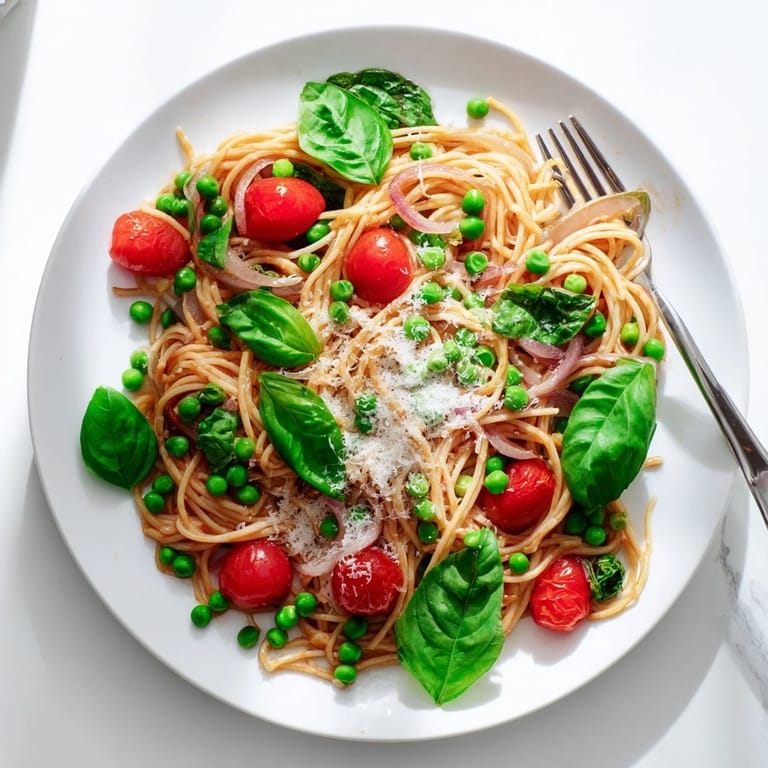
Save This pasta has become my go-to for spring dinner parties because it looks impressive but comes together while guests are arriving. Last month, my friend asked for the recipe before she had even finished her first bite, which might be the highest compliment a cook can receive.
Making It Your Own
Once you have made this a few times, you will start seeing possibilities everywhere. Swap the peas for asparagus in early spring, use zucchini in summer, or add butternut squash cubes in fall. The method stays the same, but the character changes completely with the seasons.
The Perfect Broth Choice
Because the broth reduces down and becomes your sauce, its flavor matters more than you might think. I have learned through trial and error that clear, lightly seasoned broths work best here. Anything too strongly flavored competes with the fresh vegetables and overwhelms the delicate balance.
Texture Secrets
The key to that restaurant quality consistency is in the stirring. Those occasional swoops with your wooden spoon are not just preventing sticking, they are helping release starch from the pasta into the broth, which transforms into a silky, emulsified sauce that coats every strand perfectly.
- Break spaghetti in half if your pot is wide rather than tall, making stirring easier
- Reserve a splash of pasta cooking water even though most liquid should absorb, just in case
- Taste a piece of pasta 2 minutes before the timer goes off, as different brands cook differently
 Save
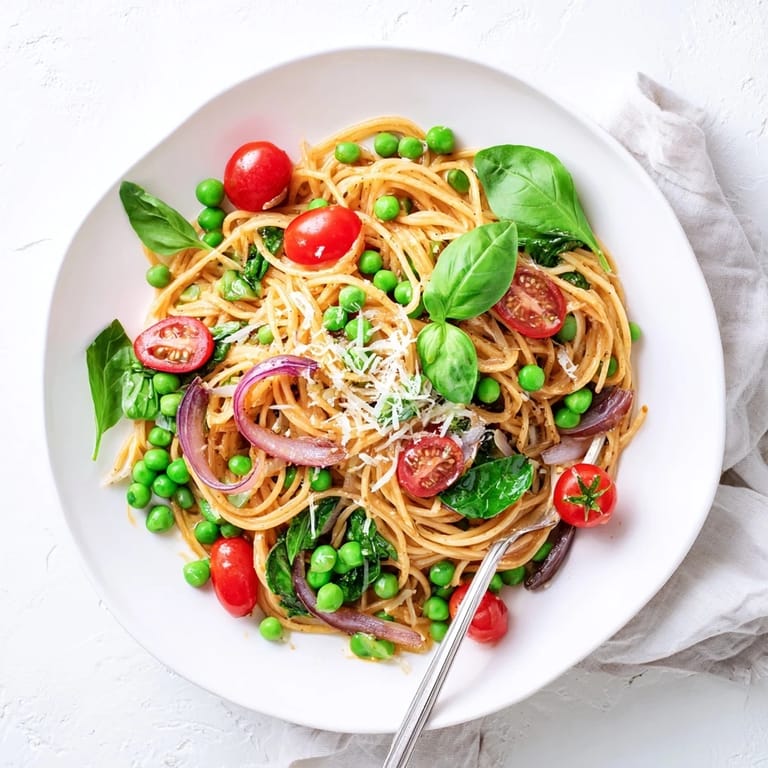
Save Spring on a plate, in under half an hour, with almost zero cleanup. What is not to love about that?
Recipe FAQs
- → Can I make this gluten-free?
Yes, simply substitute the regular spaghetti with your favorite gluten-free pasta. Cook times may vary slightly, so check the package instructions and adjust accordingly.
- → What other vegetables work well in this dish?
Asparagus, zucchini, bell peppers, or green beans would all complement the spring flavors beautifully. Add them at the same time as the other vegetables to ensure proper cooking.
- → Can I add protein to make it more filling?
Absolutely. Canned chickpeas, white beans, or cubed tofu can be added during step 2. Shredded chicken or sautéed shrimp also work wonderfully if you prefer to include meat.
- → How do I store leftovers?
Store cooled pasta in an airtight container in the refrigerator for up to 3 days. The pasta will continue absorbing the broth, so add a splash of water or broth when reheating to restore the creamy texture.
- → Is this suitable for meal prep?
This dish meal preps excellently. Portion into individual containers and refrigerate. The flavors actually develop and improve overnight, making it even more delicious for lunch the next day.