 Save
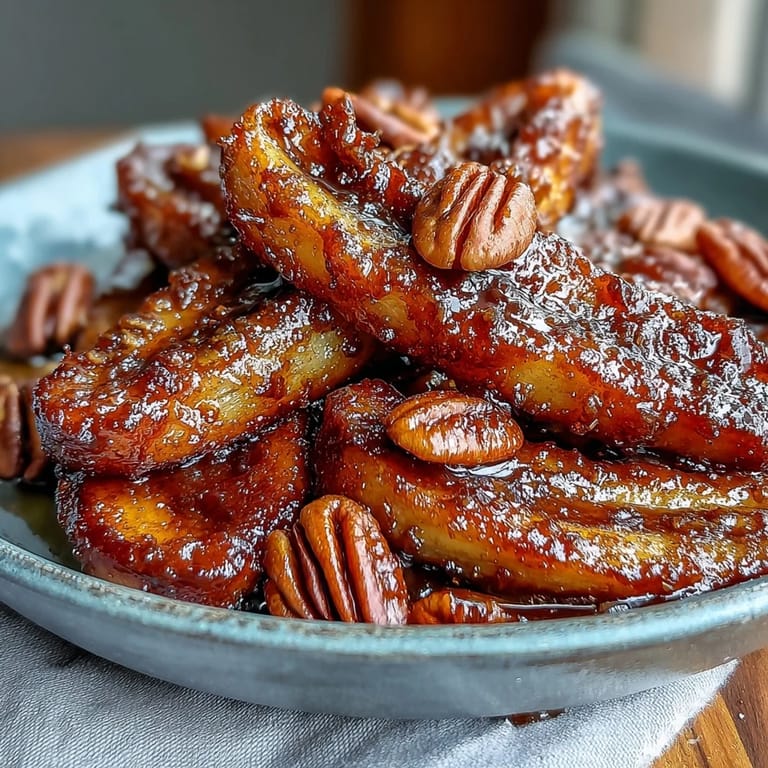
Save My grandmother's kitchen filled with the smell of cinnamon and caramelized brown sugar every Thanksgiving, and somehow that scent became synonymous with coming home. Years later, I realized candied yams weren't just a side dish at her table—they were the thing everyone actually fought over, pushing aside everything else on their plate. The first time I made them myself, I nearly burned the syrup chasing perfection, but that mistake taught me the magic happens when you let the yams simmer low and slow, their edges turning glossy and tender. This skillet method is faster than the traditional casserole but somehow tastes like it's been simmering all day.
I brought this to a potluck once where someone else was supposed to bring the vegetables, and they showed up with store-bought cranberry sauce. My candied yams sat there in that cast-iron skillet, steam rising off the glossy syrup, and honestly, they saved the day. People went back for thirds, and I watched someone's kid taste yams for the first time and actually smile about it—that moment made every caramelized edge worth it.
Ingredients
- Yams (3 large, about 2 lbs): Peel them while they're firm but not ice-cold; cold yams are stubborn and slip around your cutting board, but room-temperature ones slice like butter and feel less wasteful.
- Unsalted butter (6 tbsp): This is where you control the saltiness, so don't skip it for salted butter thinking it's the same thing.
- Packed light brown sugar (1 cup): The word "packed" matters here—scoop it in and press it down so you get actual sweetness and not just air.
- Water (1/4 cup): Creates the syrup base and keeps everything from seizing up, which I learned the hard way once.
- Ground cinnamon (1/2 tsp): Use fresh if you can; old cinnamon tastes like dust and defeats the whole purpose.
- Ground nutmeg (1/4 tsp): Don't overdo this or it'll taste like someone sprinkled a entire spice cabinet into your yams.
- Salt (1/2 tsp): Balances all that sweetness and makes people wonder what your secret ingredient is.
- Pure vanilla extract (1 tsp): Adds depth at the very end, making the whole dish feel a bit more sophisticated than it probably deserves credit for.
- Chopped pecans (1/4 cup, optional): Sprinkle these on top right before serving so they stay crispy instead of getting soggy and defeated.
Tired of Takeout? 🥡
Get 10 meals you can make faster than delivery arrives. Seriously.
One email. No spam. Unsubscribe anytime.
Instructions
- Melt the butter and build your syrup base:
- Let that butter get foamy and smell a little toasted in your 12-inch skillet over medium heat, then add brown sugar, water, cinnamon, nutmeg, and salt all at once. Stir it together until the sugar dissolves and the whole thing starts bubbling gently—you'll know it's ready when it smells like autumn decided to live in your kitchen.
- Arrange and coat the yams:
- Lay those yam slices right into the warm syrup, giving each one a gentle turn so it gets dressed in that glossy coating. Don't worry about them being perfect circles; the slightly rough edges will caramelize the best.
- Cover and let them get tender:
- Cover your skillet and turn the heat down to medium-low, letting everything cook undisturbed for about 20 minutes. Every few minutes, give the yams a gentle stir and turn them over so they cook evenly and nothing burns on the bottom.
- Uncover and finish strong:
- Take the lid off, bump the heat back to medium, and let those yams keep cooking for another 10 to 15 minutes, spooning that syrup over them as they cook. You're watching for fork-tender yams and a syrup that's thick and glossy enough to cling to each slice.
- Finish with vanilla and top:
- Stir in the vanilla right at the end—never earlier, because heat will cook it off and waste the good stuff. If you're using pecans, scatter them on top right before serving while everything's still warm.
 Save
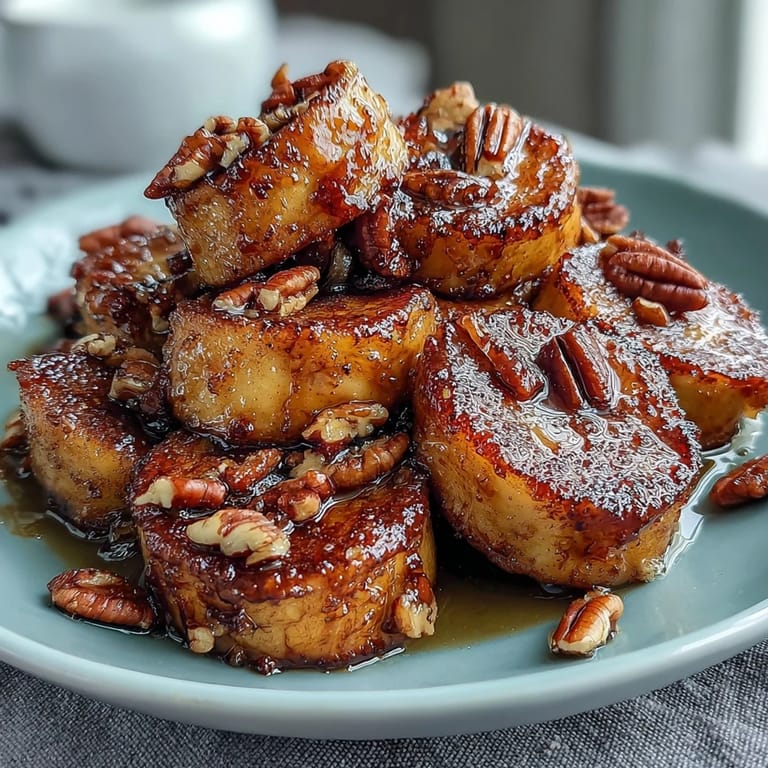
Save There's something deeply comforting about watching someone taste this dish for the first time and see their face just light up with that surprised joy of discovering candied yams done right. That moment right there, when fork meets caramelized yam and a little bit of that glossy syrup clings to their chin—that's when you know you've done something right.
Why This Skillet Method Works Better
The traditional casserole dish hides your yams under marshmallows or brown sugar topping, but this skillet approach lets every single slice get intimate with the syrup from start to finish. You're building layers of caramelization instead of drowning them in sweetness, and honestly, you get better texture because the heat is more direct and the yams stay firmer. Plus, you can see exactly what's happening at every stage instead of guessing what's going on under all that foil.
Variations That Actually Work
I've tested adding ginger (a pinch, nothing aggressive), and it brings this subtle warmth that makes people ask what you did differently. Cloves work too if you're feeling adventurous, though they can overpower if you're not careful—start with a quarter teaspoon and taste as you go. For a vegan version, plant-based butter works beautifully and the sauce caramelizes just as well, which surprised me the first time I tried it.
Serving and Storage Wisdom
These yams shine brightest served warm from the skillet, but they're weirdly good eaten cold straight from the fridge the next day. They'll keep for about five days covered in the refrigerator, and you can gently reheat them in the same skillet over low heat without breaking them apart. Pair them with roasted chicken, ham, collard greens, or honestly just eat them as a sweet-and-savory snack standing over the counter.
- Make these a day ahead if you're cooking for a crowd and just warm them gently before serving.
- The pecans should go on last minute so they don't get soggy and sad.
- A pinch of sea salt on top right before eating makes the caramel even more interesting.
 Save
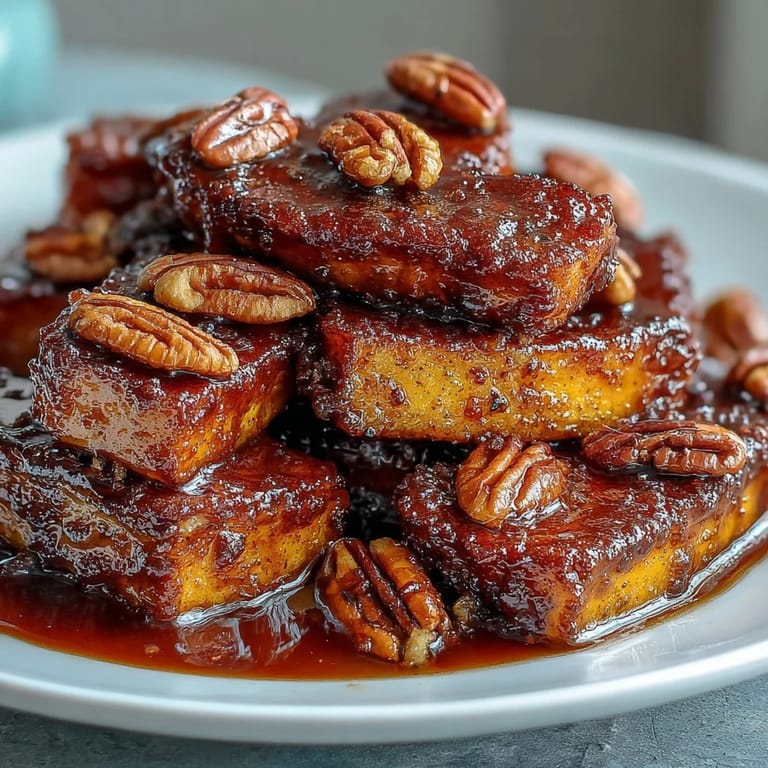
Save This dish is proof that sometimes the simplest recipes carry the most memory and meaning. Make it once and it'll become the thing your family asks for every single gathering.
Recipe FAQs
- → What type of yams work best?
Choose large, firm yams with a smooth texture. Peel and slice evenly for uniform cooking.
- → Can I substitute butter for a vegan option?
Yes, plant-based butter works well to maintain richness while keeping it dairy-free.
- → How do the spices affect the flavor?
Cinnamon and nutmeg provide warm, aromatic notes that complement the sweetness and deepen the overall taste.
- → What’s the ideal cooking technique?
Simmer covered on medium-low heat to soften yams, then cook uncovered to thicken and caramelize the syrup.
- → Can I add texture to the dish?
Sprinkling chopped pecans just before serving adds a pleasant crunch and contrast to the tender yams.