 Save
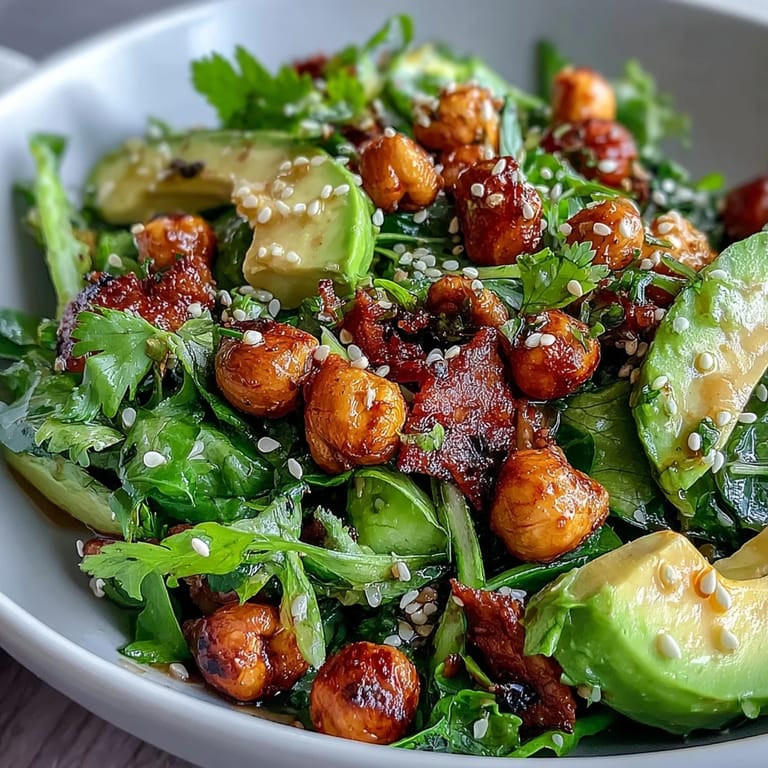
Save My neighbor showed up at my door one afternoon with an armful of celery from her garden, apologizing for the overabundance and wondering if I had any ideas. I'd been craving something bright and crunchy, so I started slicing while she talked about her morning—and by the time she left, this salad was already coming together. The snap of fresh celery combined with that ginger-soy punch became something I kept making all summer long.
I made this for a potluck where everyone brought something heavy and cream-based, so this light, snappy salad became the unexpected star. People kept coming back for more, and I overheard someone say they'd never realized celery could taste this interesting. That single compliment taught me that the simplest ingredients, when treated with a little intention, can absolutely shine.
Ingredients
- Celery stalks: Six large ones sliced on the diagonal create those satisfying half-moons and expose more surface area to the dressing—it's worth the extra knife work.
- Red bell pepper: The sweetness balances the ginger heat, and the color makes the whole bowl look alive.
- Scallions: Don't skip these; they add a gentle onion bite that keeps things from feeling one-dimensional.
- Carrot: Optional but worth including for an extra layer of sweetness and another texture to discover with each bite.
- Roasted unsalted peanuts: Rough chop them so you get some texture variety—some whole pieces, some smaller bits that nestle into the dressing.
- Sesame seeds: Toast them yourself if you can; they taste exponentially better than pre-toasted versions and add a subtle nutty depth.
- Fresh cilantro: This is the herb that ties everything together, so don't treat it as optional unless you genuinely dislike it.
- Soy sauce: Use tamari if you're cooking for anyone avoiding gluten, and taste as you go because soy sauce brands vary wildly in saltiness.
- Rice vinegar: The gentle acidity keeps things bright without aggressive sharpness; regular vinegar will overpower the dish.
- Toasted sesame oil: This is the secret ingredient that makes people ask what you did differently—use the good stuff, even if it costs a bit more.
- Honey or maple syrup: A touch of sweetness rounds out the salty-sour-spicy balance and prevents the dressing from feeling one-note.
- Fresh ginger: Grate it finely so it distributes evenly; chunks of ginger are startling bites rather than flavor.
- Garlic: One clove is enough; garlic can easily take over if you're not careful.
- Lime juice: This brightens everything at the last moment and reminds you why citrus matters in cooking.
- Chili flakes: Add them gradually and taste; heat is personal, and you can always add more but you can't take it out.
Tired of Takeout? 🥡
Get 10 meals you can make faster than delivery arrives. Seriously.
One email. No spam. Unsubscribe anytime.
Instructions
- Prep your vegetables with intention:
- Slice your celery on the diagonal—it's not just for show, those angles catch the dressing better and look beautiful on the plate. Use a sharp knife and you'll notice how much easier it is; dull knives turn vegetables bruised and sad.
- Build the dressing like you're balancing flavors:
- Whisk the soy sauce, rice vinegar, sesame oil, honey, ginger, garlic, and lime juice in a small bowl, tasting as you go. If it feels too salty, add a touch more lime juice; if it needs more punch, another pinch of ginger does the trick.
- Combine vegetables with gentle confidence:
- Toss your celery, pepper, scallions, carrot, and cilantro in a large bowl, then pour the dressing over everything and turn it all together until each piece glistens. This is the moment where the ingredients start becoming something greater than themselves.
- Finish with texture and restraint:
- Add the peanuts and sesame seeds, tossing lightly so they don't break down and scatter everywhere. Serve immediately if you want maximum crunch, or let it chill for ten minutes so the flavors get to know each other better.
 Save
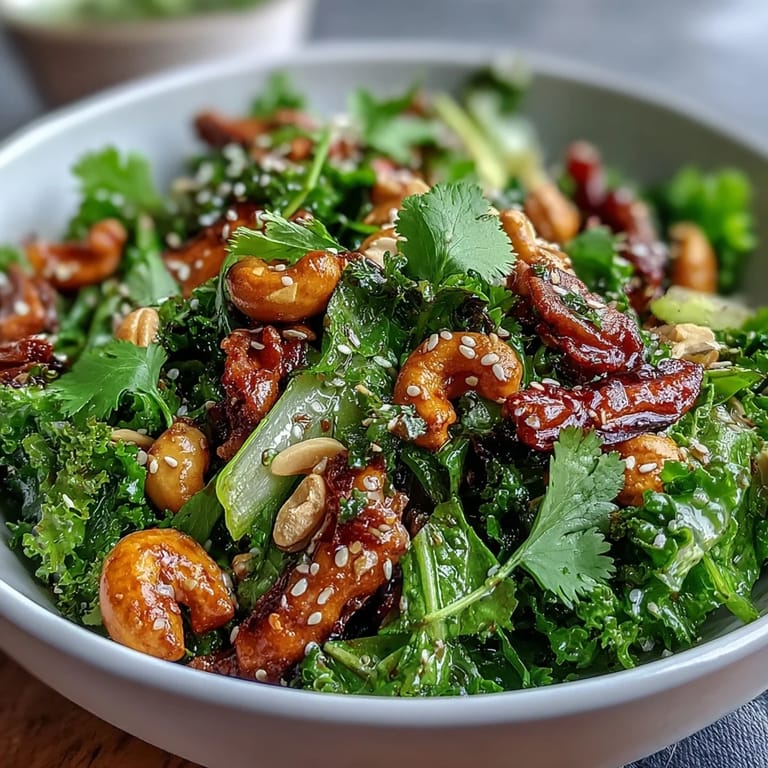
Save I brought this to a gathering where my friend's teenager actually chose it over the pasta salad, which felt like winning some kind of invisible medal. Food that makes people feel light and energized afterwards, rather than sluggish, gets remembered differently—it becomes something they ask for again.
Why This Salad Works in Any Season
In summer, celery from the farmer's market is impossibly crisp and sweet, and the cool salad feels like relief on a hot afternoon. In winter, it's a counterpoint to all the heavy cooking, a reminder that vegetables can taste bright even when everything else is comfort-focused. Spring brings fresh cilantro that's almost grassy, and fall makes you appreciate how sesame oil deepens everything around it.
The Math Behind the Dressing
There's a beautiful balance happening in this dressing: salty from soy, sour from vinegar and lime, sweet from honey, and heat from ginger and chili. Once you understand this framework, you can adjust any component based on what you have or what you're in the mood for. It's not rigid; it's actually pretty forgiving if you approach it with a little confidence.
Ways to Make This Your Own
I've added shredded rotisserie chicken when I wanted something more substantial, or cubed tofu for the vegetarians in the crowd. Fresh herbs like mint or basil swap in beautifully if cilantro isn't your thing, and I once used cashews instead of peanuts when someone had an allergy. The beauty of this salad is that it's a foundation rather than a strict formula.
- Swap peanuts for cashews, almonds, or even roasted sunflower seeds if you need to work around allergies.
- Add shredded cooked chicken, tofu, or edamame to make it a complete meal.
- Finish with a lime wedge for squeezing at the table—people love that control over flavor intensity.
 Save
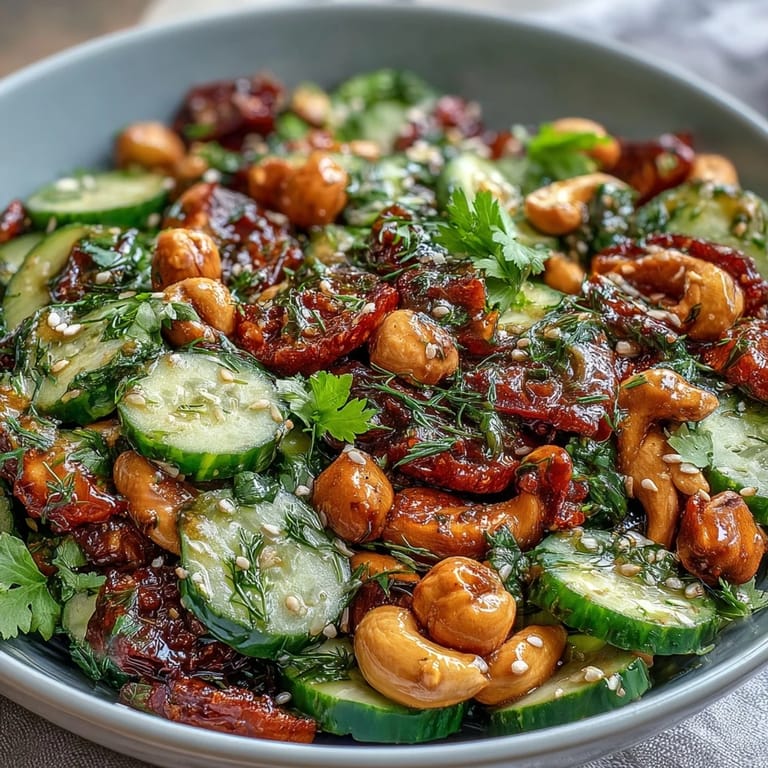
Save This salad has become my go-to when I need something that feels special without being complicated. It's the kind of dish that reminds you why cooking matters—not because it's hard, but because simple things done thoughtfully taste like they came from somewhere true.
Recipe FAQs
- → What type of peanuts works best for this salad?
Roasted unsalted peanuts add a crunchy texture and rich flavor without overpowering the other ingredients. You can roughly chop them for easy mixing.
- → Can I substitute the soy sauce in the dressing?
Yes, tamari is a great gluten-free alternative to soy sauce, maintaining the savory umami note essential to the dressing.
- → How can I add more heat to the salad?
Incorporate chili flakes or finely chopped fresh red chili to the dressing to bring a subtle spiciness that complements the ginger and lime.
- → Is it possible to prepare this ahead of time?
The salad is best served immediately for maximum crunch, but letting it chill for 10 minutes allows flavors to meld nicely without losing texture.
- → What can I add to make this salad more filling?
Adding shredded cooked chicken or tofu boosts protein and transforms the salad into a more substantial meal.