 Save
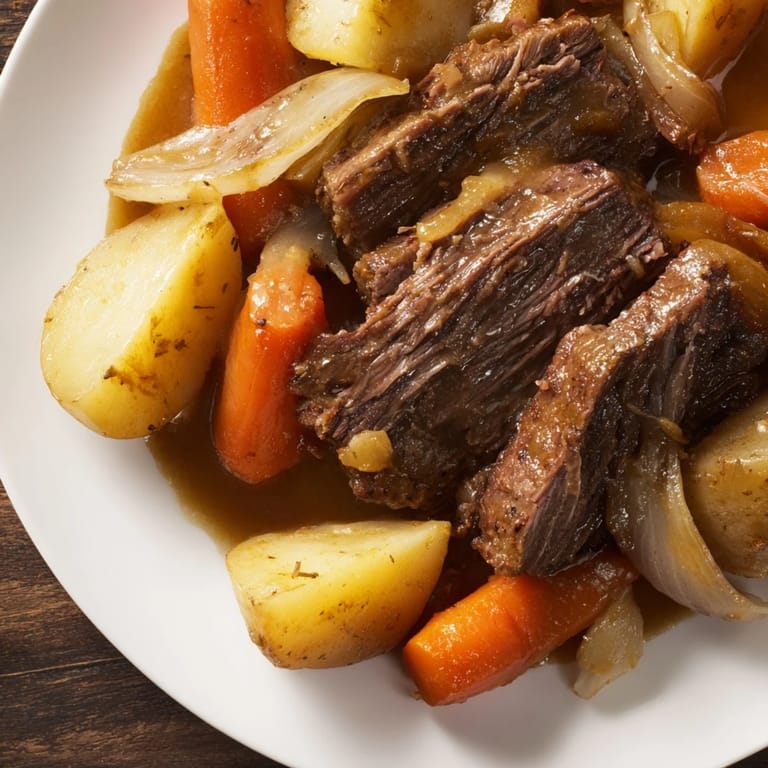
Save There's something about the smell of a pot roast braising in the oven that makes a house feel like home. I learned to make this dish on a cold Sunday afternoon when my neighbor dropped by with a chuck roast and asked if I knew what to do with it. Three and a half hours later, when we opened that Dutch oven, the steam rose up with the richest aroma—beef, wine, herbs all melted together—and I understood why this meal has fed families for generations. It's the kind of cooking that doesn't demand your constant attention, just your patience and trust.
I made this for my sister's first week in her new apartment, before the furniture was even set up properly. We sat around her kitchen island with bowls balanced on our laps, and she got tears in her eyes—not from sadness, but from how real it felt to have someone show up with food that took actual time and care. That's when I realized pot roast isn't just dinner; it's proof that someone thought about you for three hours straight.
Ingredients
- Chuck roast (3–4 lb): This cut has just the right amount of marbling to become fall-apart tender, and it actually gets better, not drier, with long cooking.
- Kosher salt and black pepper: Don't skip the seasoning step—it's not just flavor, it's the foundation for everything that follows.
- Olive oil: You need enough to get a proper sear, which means the meat develops that golden crust that holds all the savory promise.
- Yukon Gold potatoes: These stay creamy instead of falling apart, and they absorb the gravy like they were made for it.
- Carrots and onions: Cut them larger than you think you need—they soften perfectly over those hours and don't turn to mush.
- Beef broth, red wine, and tomato paste: Together they create a gravy that tastes like it simmered all day, which it kind of did.
- Thyme and bay leaves: These quiet herbs tie everything together without shouting—fresh thyme is lovely, but dried works just as well.
- Flour or cornstarch: Just enough to thicken the cooking liquid into real gravy without making it gloppy.
Tired of Takeout? 🥡
Get 10 meals you can make faster than delivery arrives. Seriously.
One email. No spam. Unsubscribe anytime.
Instructions
- Get your oven and pot ready:
- Set your oven to 300°F and pull out your Dutch oven—the heavy, covered kind that can go from stovetop to oven without complaint. This low, slow temperature is the secret to meat that practically dissolves on your fork.
- Dry and season the roast:
- Pat your beef completely dry with paper towels, then season all sides generously with salt and pepper. Wet meat won't brown properly, so don't skip this step no matter how eager you are.
- Sear it hard:
- Get your oil smoking hot and lay that roast down with confidence—you'll hear it sizzle immediately. Sear for 4 to 5 minutes per side until it's golden brown on every surface, then set it aside on a plate.
- Build your flavor base:
- In the same pot, soften your onions and garlic for a couple minutes until the kitchen smells alive. Stir in the tomato paste, let it caramelize slightly for a minute, then pour in your wine and scrape up all those golden bits stuck to the bottom—that's liquid gold.
- Bring it together:
- Return the roast to the pot, add your beef broth, Worcestershire sauce, thyme, and bay leaves. The liquid should come about halfway up the meat, not completely covering it.
- Arrange your vegetables:
- Tuck the potatoes and carrots around the beef like you're building a comfortable nest. They'll cook gently in the steam and broth, turning tender and flavor-soaked.
- Let the oven do the work:
- Cover your pot and slide it into that 300°F oven for 3 to 3½ hours. The beef should be fork-tender and the vegetables soft but still holding their shape. You'll know it's done when the meat shreds at the slightest pressure.
- Make the gravy:
- Remove the roast and vegetables to a platter and let them rest. Skim off any excess fat floating on top of the cooking liquid, then whisk your flour or cornstarch with cold water until completely smooth and pour it in. Simmer on the stovetop, whisking constantly, for 3 to 5 minutes until it thickens into proper gravy.
- Slice and serve:
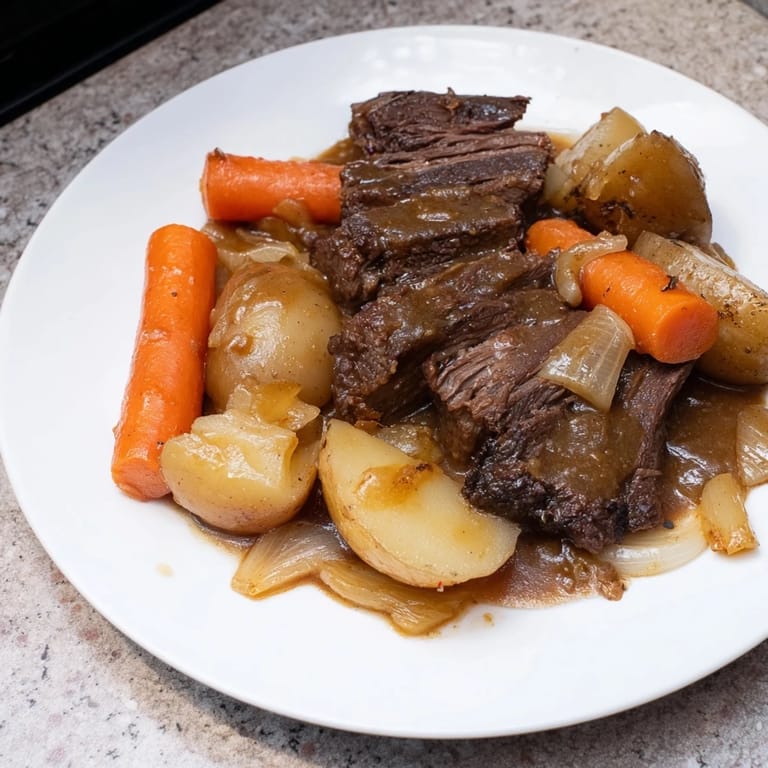
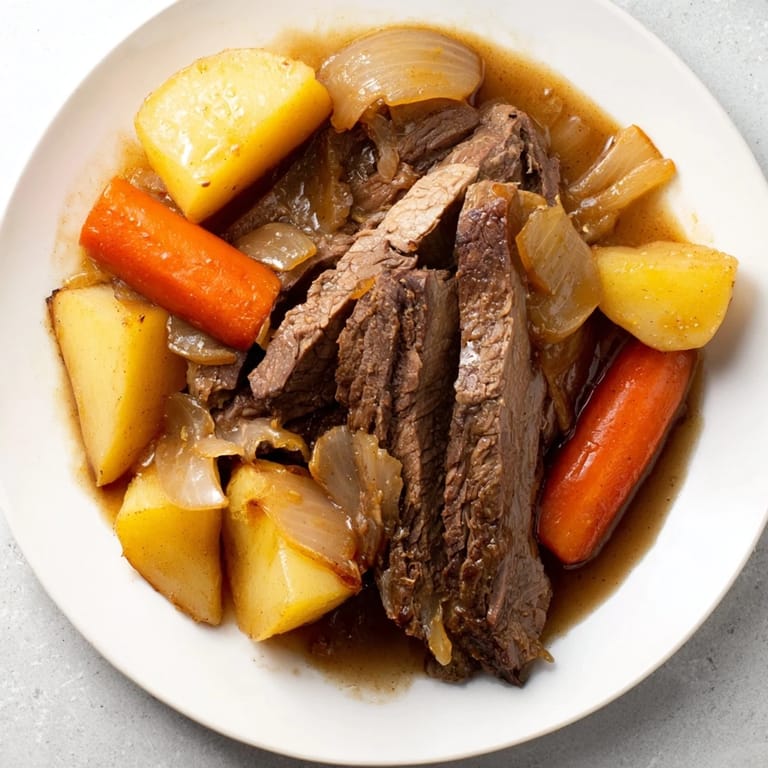
- Slice your beef into thick, tender pieces and arrange on the platter with the vegetables. Pour that rich gravy over everything and watch people's faces light up.
 Save
Save I once made this at exactly the wrong time of year—a July afternoon when I should have been thinking about salads and cold drinks. But someone needed comfort food more than they needed the weather to make sense, so I made the pot roast anyway. The oven warmed up the whole kitchen, and by the time that roast was done, everything else—the heat, the timing, all of it—mattered less than the fact that we sat down together to something real.
Why This Works Every Time
Pot roast is forgiving because it's built on a simple truth: tough cuts of beef get tender when you braise them low and slow, surrounded by moisture and heat. The vegetables soften and sweeten while the meat releases all its richness into the liquid, and by the end, everything tastes like it was made to go together. There's no fussy timing, no last-minute plating tricks—just honest cooking that rewards patience.
What to Serve Alongside
Crusty bread is non-negotiable—you need something to soak up that gravy, which might be the best part of the entire meal. A simple green salad cuts through the richness without fighting for attention, and if you want wine at the table, something robust like Cabernet Sauvignon drinks beautifully with the beef and herbs. Even without wine at dinner, the leftovers make extraordinary sandwiches the next day.
Making It Your Own
The skeleton of this recipe is solid, but it's also flexible enough for your own touches. Some people add parsnips or celery for extra sweetness and depth, while others throw in mushrooms or a splash of balsamic vinegar. The thyme and bay leaves are traditional, but if you have fresh rosemary or oregano, they work beautifully too—trust your instincts and your pantry.
- Parsnips and celery add a subtle sweetness that makes the gravy even more complex.
- Fresh mushrooms sliced and added partway through cooking become tender and earthy.
- Leftovers keep for three or four days in the fridge and actually taste better the next day once the flavors have settled.
 Save
Save This is the kind of meal that makes cooking feel less like a task and more like an act of care. Serve it to people you love and watch what happens.
Recipe FAQs
- → How long should the beef be cooked?
Slow braising the beef for 3 to 3½ hours until it becomes fork-tender ensures maximum tenderness and flavor.
- → Can I substitute the red wine in the dish?
Yes, you can replace the red wine with additional beef broth if preferred or to avoid alcohol.
- → What cut of beef works best for this preparation?
A 3-4 lb chuck roast is ideal due to its marbling and collagen, which breaks down during slow cooking for tenderness.
- → How is the gravy thickened?
The gravy is thickened by whisking flour or cornstarch with cold water, then simmering the mixture in the braising liquid until it thickens.
- → What vegetables complement the beef best?
Potatoes, carrots, onions, and garlic add both texture and flavor, enhancing the savory profile of the dish.
- → Can this dish be made gluten-free?
Yes, substituting flour with cornstarch for thickening keeps the dish gluten-free.